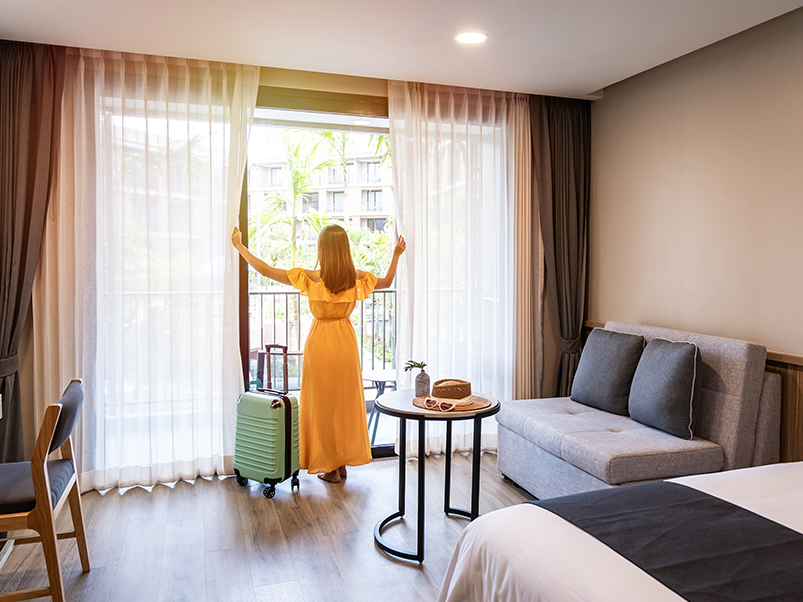
Upgrading Your Home with Stylish, Energy-Efficient Windows Investing in new windows can significantly enhance a home's comfort, aesthetic appeal, and....
Upgrading Your Home with Stylish, Energy-Efficient Windows
Investing in new windows can significantly enhance a home's comfort, aesthetic appeal, and energy performance. Modern windows offer advanced features that contribute to lower utility bills and a more comfortable indoor environment, while also boosting curb appeal and potentially increasing property value. This guide outlines six key considerations for homeowners planning to upgrade their home with stylish, energy-efficient windows, ensuring a well-informed decision that balances beauty with performance.
1. Understanding Energy Efficiency Ratings and Metrics
When selecting energy-efficient windows, it is crucial to understand key performance ratings. The U-factor measures how well a window prevents heat from escaping a room, with lower values indicating better insulation. The Solar Heat Gain Coefficient (SHGC) indicates how much solar radiation passes through a window; a lower SHGC is beneficial in hot climates to reduce cooling loads, while a higher SHGC might be preferred in colder climates for passive solar heating. Visible Transmittance (VT) measures the amount of visible light that passes through, and Air Leakage (AL) quantifies how much air infiltrates through the window assembly. Evaluating these metrics helps ensure the chosen windows align with specific climate needs and energy-saving goals.
2. Exploring Window Frame Materials and Their Benefits
The choice of window frame material impacts both energy efficiency and aesthetic longevity. Common options include vinyl, wood, fiberglass, and aluminum. Vinyl frames are popular for their affordability, low maintenance, and good insulation properties, as they do not conduct heat or cold easily. Wood frames offer a classic, natural aesthetic and excellent insulation but require more maintenance. Fiberglass frames are durable, resistant to warping, and provide strong insulation, often outperforming vinyl. Aluminum frames are strong and slender, allowing for larger glass areas, but they are generally less energy-efficient unless equipped with thermal breaks to reduce heat transfer.
3. Selecting High-Performance Glass Options
The glass itself is a critical component of an energy-efficient window. Double-pane windows, which feature two panes of glass separated by a sealed air or gas-filled space, are a standard upgrade over single-pane. Triple-pane windows offer even greater insulation for superior energy efficiency, particularly in extreme climates. Low-emissivity (Low-E) coatings are microscopic, transparent metal layers applied to the glass surface that reflect infrared light, reducing heat transfer while allowing visible light to pass through. Filling the space between glass panes with inert gases like argon or krypton further improves thermal performance by slowing down heat conduction and convection.
4. Balancing Aesthetics and Architectural Harmony
Beyond energy efficiency, the style and appearance of new windows significantly contribute to a home's overall aesthetic. Considerations include the window style (e.g., double-hung, casement, picture, bay, or bow), frame color, and grille patterns. The chosen style should complement the home's architectural design, whether it's modern, traditional, or rustic. For instance, casement windows offer a sleek, contemporary look and excellent ventilation, while double-hung windows are versatile and suit many traditional homes. Frame colors and grille designs can be customized to enhance the exterior and interior decor, creating a cohesive and appealing appearance.
5. The Crucial Role of Professional Installation
Even the most energy-efficient and stylish windows will underperform if not installed correctly. Professional installation is paramount to ensure proper sealing, insulation, and alignment. Incorrect installation can lead to air leaks, moisture infiltration, reduced energy efficiency, and operational problems. Certified installers possess the expertise to accurately measure, prepare the opening, and securely fit the windows, often adhering to manufacturer specifications to preserve warranties. A professional installation guarantees that the windows deliver their intended performance and provides long-term peace of mind.
6. Leveraging Certifications and Smart Features
When upgrading windows, look for certifications that indicate proven performance. The ENERGY STAR label signifies that a window meets strict energy efficiency guidelines set by the Environmental Protection Agency. The National Fenestration Rating Council (NFRC) provides independent ratings for U-factor, SHGC, VT, and AL, allowing for direct comparison of different products. Additionally, emerging smart window technologies, such as self-tinting glass that automatically adjusts to sunlight or integrated sensors for automated ventilation, can further enhance comfort and energy savings, offering a glimpse into future home efficiency.
Summary
Upgrading a home with stylish, energy-efficient windows is a valuable investment that offers both immediate and long-term benefits. By carefully considering energy efficiency ratings, exploring various frame materials, selecting high-performance glass options, harmonizing aesthetics with architectural style, prioritizing professional installation, and leveraging relevant certifications and smart features, homeowners can make informed decisions. A well-executed window upgrade contributes to a more comfortable, aesthetically pleasing, and energy-efficient living space, enhancing the overall quality and value of the home.