Understanding the Best Diet for Heart Health Adopting a heart-healthy diet is a cornerstone of overall well-being, playing a significant....
Understanding the Best Diet for Heart Health
Adopting a heart-healthy diet is a cornerstone of overall well-being, playing a significant role in maintaining cardiovascular health and reducing the risk of various heart-related concerns. While no single food acts as a magic bullet, a consistent pattern of smart food choices can significantly contribute to a strong heart. This guide outlines six key principles for building a dietary approach that supports heart health, focusing on wholesome, nutrient-dense foods.
1. Prioritize an Abundance of Fruits and Vegetables
Fruits and vegetables are packed with vitamins, minerals, fiber, and antioxidants, all of which are beneficial for heart health. Their high fiber content can help manage cholesterol levels and blood pressure. Antioxidants found in colorful produce may protect heart cells from damage. Aim for a wide variety of colors to ensure a broad spectrum of nutrients. Incorporating them into every meal, whether fresh, frozen, or canned (without added sugar or sodium), is a simple yet powerful step towards a heart-healthy diet.
2. Choose Whole Grains Over Refined Grains
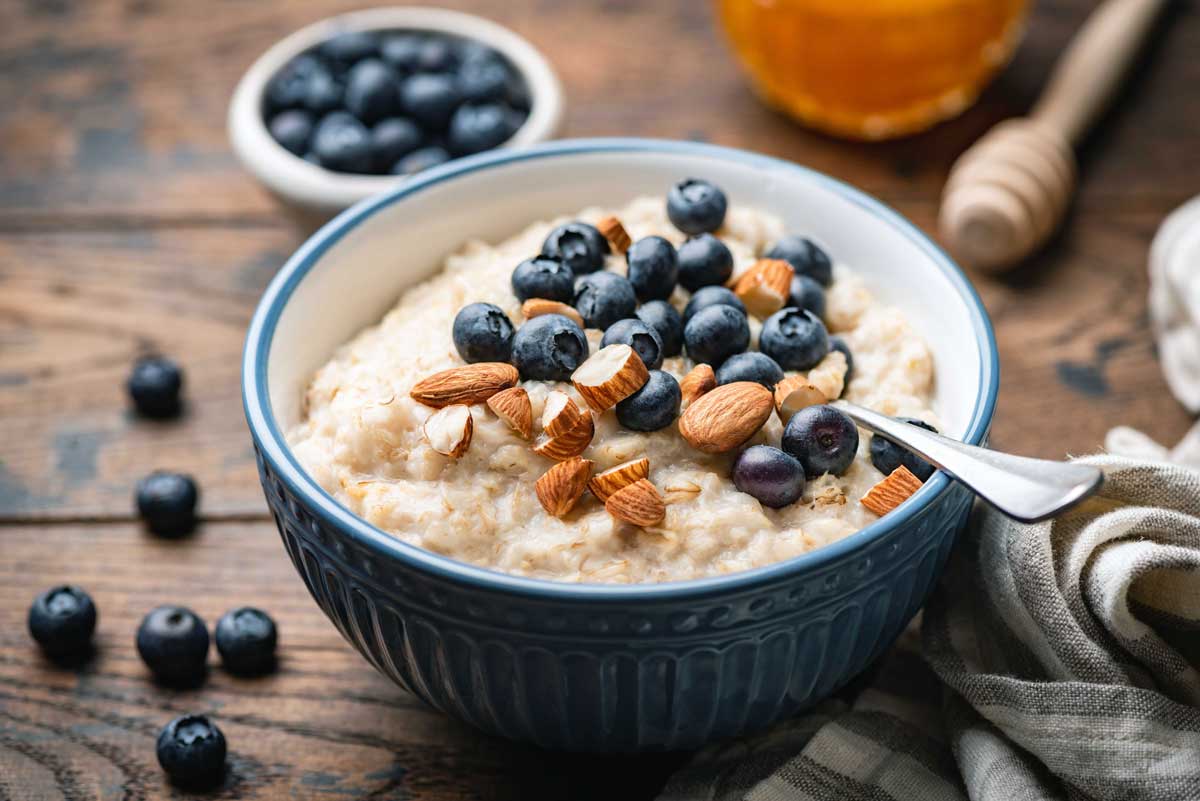
Whole grains, such as oats, brown rice, quinoa, barley, and whole-wheat bread, retain all parts of the grain kernel, including the bran, germ, and endosperm. This means they are rich in fiber, B vitamins, iron, and magnesium. The fiber in whole grains helps to regulate blood sugar, can assist in lowering LDL ("bad") cholesterol, and contributes to satiety, potentially aiding in weight management. Refined grains, in contrast, have had these nutritious parts removed, reducing their beneficial impact on heart health. Swapping refined grains for whole grain options is a fundamental shift.
3. Incorporate Lean Protein Sources
Protein is vital for building and repairing tissues, but the source of protein matters for heart health. Lean protein sources, such as fish (especially fatty fish like salmon and mackerel, which are rich in omega-3 fatty acids), poultry without skin, beans, lentils, peas, nuts, and low-fat dairy products, are excellent choices. Plant-based proteins offer the added benefit of fiber and lower saturated fat compared to many animal sources. Reducing intake of processed meats and high-fat red meats can help limit saturated fat and sodium consumption, both of which are factors to consider for cardiovascular wellness.
4. Opt for Healthy Fats and Limit Unhealthy Fats
Not all fats are created equal. Monounsaturated fats (found in olive oil, avocados, and nuts) and polyunsaturated fats (found in fatty fish, walnuts, and flaxseeds) are considered heart-healthy. These fats can help improve cholesterol levels when used in place of saturated and trans fats. Saturated fats, often found in red meat, butter, and full-fat dairy, should be consumed in moderation. Trans fats, often present in processed and fried foods, are particularly detrimental to heart health and should be avoided entirely. Mindful choices about cooking oils and food preparation are key.
5. Reduce Sodium Intake
High sodium intake is commonly linked to elevated blood pressure, a significant risk factor for heart disease. While salt is essential, most people consume far more than recommended through processed foods, canned goods, fast food, and restaurant meals. Focusing on fresh, whole foods and flavoring meals with herbs and spices instead of excessive salt can make a big difference. Reading food labels to check sodium content and choosing low-sodium versions of packaged foods are practical steps to support heart health.
6. Limit Added Sugars and Highly Processed Foods
Excessive consumption of added sugars, commonly found in sugary drinks, candies, baked goods, and many processed foods, can contribute to weight gain, inflammation, and elevated triglyceride levels, all of which can negatively impact heart health. Highly processed foods often contain a combination of unhealthy fats, added sugars, and high sodium. Focusing on whole, minimally processed foods naturally reduces the intake of these less beneficial ingredients, allowing the body to benefit more from nutrient-rich options. Making water the primary beverage choice is also a simple way to cut down on added sugars.
Summary
Adopting a heart-healthy diet involves making conscious choices across various food groups. The six principles—prioritizing fruits and vegetables, choosing whole grains, incorporating lean proteins, opting for healthy fats, reducing sodium, and limiting added sugars and processed foods—work synergistically to support cardiovascular wellness. By integrating these dietary principles into daily eating habits, individuals can build a foundation for long-term heart health. Remember that a balanced and varied approach, focused on whole foods, is key to nurturing a healthy heart.