Nutrition Tips for Women During Cancer Recovery: 6 Key Strategies Cancer recovery is a complex journey, and nutrition plays a....
Nutrition Tips for Women During Cancer Recovery: 6 Key Strategies
Cancer recovery is a complex journey, and nutrition plays a vital role in supporting the body's healing process and restoring strength. For women, specific nutritional considerations can help manage treatment side effects, rebuild tissues, and improve overall well-being. Understanding how to nourish your body effectively during this period can contribute significantly to a smoother recovery. These guidelines are for informational purposes and should complement advice from healthcare professionals.
6 Key Nutrition Tips for Women During Cancer Recovery
1. Prioritize Adequate Protein Intake
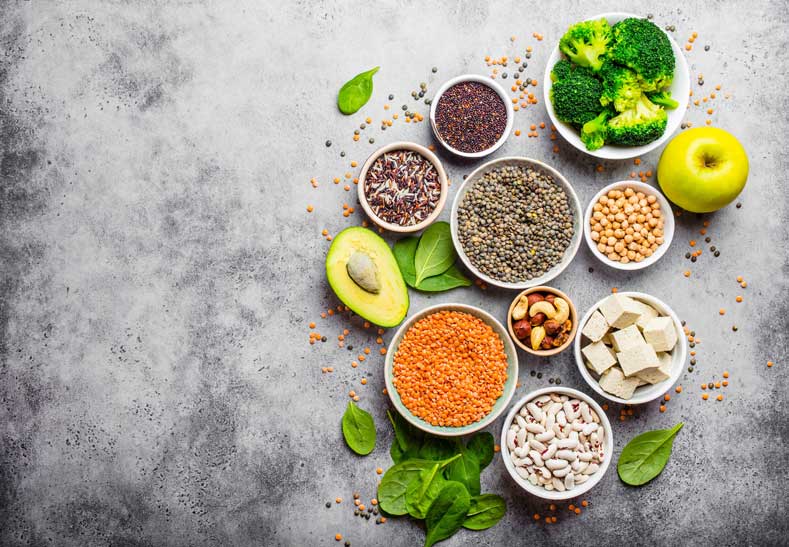
Protein is fundamental for tissue repair, muscle maintenance, and immune function, all of which are crucial during cancer recovery. Women undergoing or recovering from cancer treatment often have increased protein needs to help repair cells damaged by therapy and prevent muscle loss. Incorporate lean protein sources such as poultry, fish, eggs, low-fat dairy products, legumes, nuts, and seeds into daily meals and snacks. Aim for protein at every meal to ensure a steady supply throughout the day and support the body's rebuilding efforts.
2. Focus on Nutrient-Dense Whole Foods
To support a strong immune system and general health, emphasize a diet rich in vitamins, minerals, and antioxidants. Fill your plate with a wide variety of colorful fruits and vegetables, whole grains like oats, quinoa, and brown rice, and healthy fats found in avocados, olive oil, and nuts. These foods provide essential nutrients that can help combat inflammation, support energy levels, and aid cellular recovery. Choosing whole, unprocessed foods over highly processed alternatives is often beneficial for providing the body with the resources it needs to heal.
3. Maintain Optimal Hydration
Staying well-hydrated is essential for overall health and particularly important during cancer recovery. Hydration helps transport nutrients, regulate body temperature, and can alleviate common side effects like constipation or dry mouth. Aim to drink plenty of water throughout the day. Herbal teas, clear broths, and diluted fruit juices (if tolerated) can also contribute to fluid intake. Avoid excessive caffeine and sugary drinks, which can lead to dehydration or unwanted sugar spikes, potentially worsening fatigue or other symptoms.
4. Manage Side Effects Through Dietary Adjustments
Many women experience lingering side effects from cancer treatments, such as nausea, changes in taste, fatigue, or appetite loss. Dietary modifications can help manage these challenges. For nausea, try bland, easy-to-digest foods, small frequent meals, and ginger-containing items. If taste changes occur, experiment with different seasonings or temperatures. For fatigue and poor appetite, focus on calorie-dense, nutrient-rich foods that are easy to prepare and eat. Consulting with a dietitian can provide tailored strategies for symptom management.
5. Practice Strict Food Safety
Cancer treatments can weaken the immune system, making individuals more susceptible to foodborne illnesses. Practicing excellent food safety is therefore paramount during recovery. This includes thoroughly washing hands before and after handling food, ensuring foods are cooked to safe temperatures, avoiding cross-contamination between raw and cooked foods, and properly storing leftovers. Choose pasteurized dairy products and avoid raw or undercooked meats, fish, and eggs to minimize risks and protect your recovering body.
6. Seek Professional Nutritional Guidance
While general nutrition tips can be helpful, every woman’s recovery journey is unique. Consulting with a registered dietitian, especially one specializing in oncology nutrition, is highly recommended. A dietitian can assess individual needs, manage specific symptoms, and create a personalized nutrition plan that supports recovery, addresses dietary restrictions, and considers ongoing medical treatments. This professional guidance ensures that nutritional support is tailored, safe, and most effective for enhancing overall well-being during this critical time.
Summary
Navigating cancer recovery involves a holistic approach, where nutrition stands as a cornerstone for healing and regaining strength. For women, prioritizing protein, embracing nutrient-dense whole foods, ensuring adequate hydration, and skillfully managing treatment side effects through dietary adjustments are key. Moreover, strict adherence to food safety practices and, crucially, seeking personalized advice from oncology nutrition professionals are invaluable steps. By focusing on these six essential nutrition tips, women can empower their bodies to heal, restore vitality, and enhance their overall quality of life during this significant period of recovery.