Maintaining stable blood sugar levels is an important aspect of overall health. Dietary choices play a significant role in how the body processes glucose. By incorporating certain foods, individuals may support more consistent blood sugar responses.
1. Fiber-Rich Whole Grains
Whole grains are valuable for blood sugar management due to their high fiber content. Fiber, particularly soluble fiber, helps slow down the absorption of sugar into the bloodstream, preventing rapid spikes. Unlike refined grains, whole grains retain their bran, germ, and endosperm, providing a richer nutritional profile.
Examples:
- Oats (especially steel-cut or rolled oats)
- Quinoa
- Brown rice
- Barley
- Whole-wheat bread and pasta
2. Lean Protein Sources
Protein plays a crucial role in promoting satiety and can help moderate blood sugar responses. When consumed with carbohydrates, protein can slow down the digestion and absorption of glucose, leading to a more gradual rise in blood sugar. Choosing lean protein sources is beneficial for heart health as well.
Examples:
- Chicken breast (skinless)
- Fish (e.g., salmon, cod, tuna)
- Turkey
- Eggs
- Tofu and tempeh
3. Non-Starchy Vegetables
Non-starchy vegetables are packed with vitamins, minerals, and fiber, yet are low in calories and carbohydrates. This makes them an excellent choice for stabilizing blood sugar. Their high fiber content contributes to a feeling of fullness and slows digestion, further aiding glucose control.
Examples:
- Broccoli
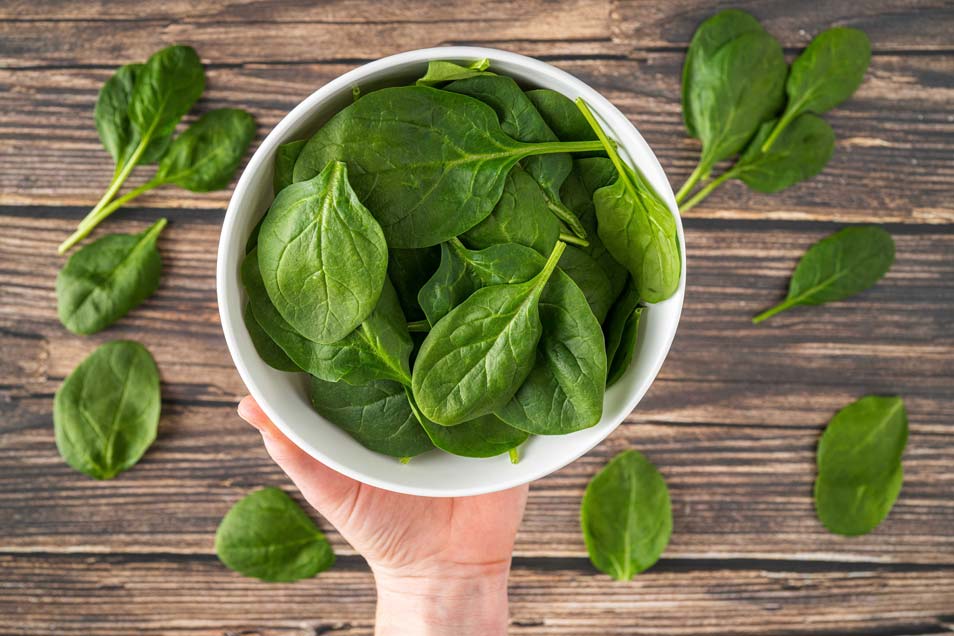
- Spinach and other leafy greens
- Bell peppers
- Zucchini
- Cucumbers
- Green beans
4. Healthy Fats
While fats do not directly impact blood sugar levels as carbohydrates do, they can contribute to satiety and slow down the digestive process when consumed with meals. This extended digestion can help prevent sharp blood sugar spikes after eating. Prioritizing unsaturated fats over saturated and trans fats is beneficial for overall health.
Examples:
- Avocado
- Nuts (e.g., almonds, walnuts)
- Seeds (e.g., chia seeds, flaxseeds, pumpkin seeds)
- Olive oil
5. Legumes
Legumes are a nutritional powerhouse, offering a significant combination of fiber, protein, and complex carbohydrates. Their unique nutrient profile makes them particularly effective at supporting stable blood sugar levels. The soluble fiber in legumes can also contribute to improved cholesterol levels.
Examples:
- Lentils
- Chickpeas
- Black beans
- Kidney beans
- Edamame
6. Fruits with a Low Glycemic Index
While fruits contain natural sugars, some have a lower glycemic index (GI), meaning they cause a slower and more gradual rise in blood sugar compared to high-GI fruits. These fruits also provide essential vitamins, antioxidants, and dietary fiber, which helps mitigate sugar absorption.
Examples:
- Berries (strawberries, blueberries, raspberries)
- Apples
- Pears
- Oranges
- Cherries
Summary
Incorporating a balanced diet rich in whole grains, lean proteins, non-starchy vegetables, healthy fats, legumes, and select low-GI fruits can be a proactive step towards supporting stable blood sugar levels. These food groups work synergistically to provide fiber, protein, and essential nutrients that contribute to more consistent glucose responses. While dietary changes can be beneficial, individual needs may vary, and a balanced approach to eating is generally recommended for overall well-being.