Weight Loss Tips for Women Over 50: Six Essential Strategies for Well-being As women transition into their 50s and beyond,....
Weight Loss Tips for Women Over 50: Six Essential Strategies for Well-being
As women transition into their 50s and beyond, physiological changes can influence body composition and make weight management feel more challenging. Factors such as hormonal shifts, particularly during menopause, and a natural decrease in metabolic rate can contribute to weight gain, especially around the midsection. However, adopting a balanced and sustainable approach can support healthy weight and overall well-being. This article outlines six key strategies designed to help women over 50 navigate their weight loss journey effectively.
1. Understand Hormonal and Metabolic Shifts
The hormonal fluctuations associated with menopause, particularly a decline in estrogen, can affect where the body stores fat, often leading to increased abdominal fat. Additionally, metabolism tends to slow with age, meaning the body burns fewer calories at rest. Recognizing these natural changes is the first step. Rather than becoming discouraged, understanding these shifts can empower women to adjust their lifestyle strategies accordingly, focusing on methods that counteract these effects.
Adjusting Caloric Intake
With a potentially slower metabolism, it can be beneficial to re-evaluate daily caloric needs. Focusing on nutrient-dense foods that provide satiety without excessive calories becomes more important. Paying attention to portion sizes and being mindful of overall food intake can support a calorie deficit, which is fundamental for weight loss.
2. Prioritize Protein and Fiber-Rich Foods
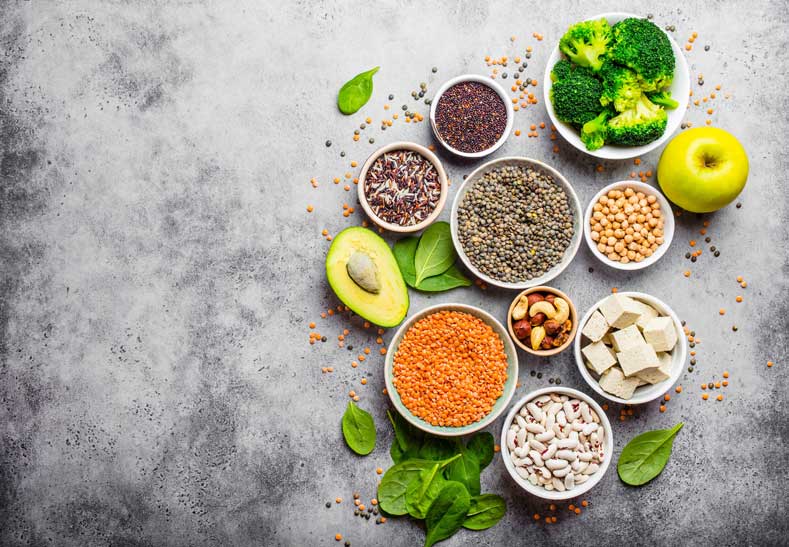
Nutrition plays a crucial role in weight management at any age, but especially after 50. Protein is essential for preserving muscle mass, which is vital for maintaining a healthy metabolism. Incorporating adequate protein into each meal can also increase satiety, helping to reduce overall calorie consumption. Sources include lean meats, poultry, fish, eggs, dairy, legumes, and plant-based protein options.
Fiber-rich foods, such as fruits, vegetables, whole grains, and legumes, contribute to digestive health and prolonged feelings of fullness. These foods also tend to be lower in calories while providing essential vitamins and minerals. Aiming for a diverse range of plant-based foods can support both weight goals and overall nutritional needs.
3. Embrace Strength Training
While cardiovascular exercise is beneficial for heart health, strength training becomes increasingly important for women over 50 aiming for weight loss. Muscle tissue burns more calories at rest than fat tissue. As we age, there's a natural tendency to lose muscle mass (sarcopenia), which further slows metabolism. Regular strength training, using weights, resistance bands, or bodyweight exercises, helps to build and preserve muscle mass, thereby boosting metabolic rate and improving body composition. It also supports bone density, which is critical for women in this age group.
4. Focus on Hydration and Mindful Eating
Adequate water intake is often overlooked but plays a significant role in overall health and weight management. Staying well-hydrated can support metabolism, aid digestion, and help distinguish between hunger and thirst. Drinking water before meals can also contribute to feelings of fullness, potentially reducing food intake.
Mindful eating involves paying full attention to the experience of eating, noticing hunger and fullness cues, and savoring meals. This approach can help prevent overeating, reduce emotional eating, and improve digestion. Eating slowly, without distractions, and truly tasting food allows the body to register satiety more effectively.
5. Ensure Adequate and Quality Sleep
Sleep is a foundational pillar of health that directly impacts weight. Insufficient or poor-quality sleep can disrupt hormones that regulate appetite, such as ghrelin (which increases appetite) and leptin (which signals fullness). This hormonal imbalance can lead to increased cravings for high-calorie foods and greater overall calorie intake. Establishing a consistent sleep schedule, creating a relaxing bedtime routine, and ensuring a comfortable sleep environment can contribute to better sleep quality, which in turn supports weight management efforts.
6. Manage Stress Effectively
Chronic stress can significantly impede weight loss efforts. When the body is under stress, it releases cortisol, a hormone that can promote fat storage, particularly in the abdominal area. Stress can also lead to emotional eating and reduced physical activity. Developing effective stress management techniques, such as meditation, yoga, deep breathing exercises, spending time in nature, or engaging in hobbies, can help lower cortisol levels. Prioritizing self-care and finding healthy ways to cope with daily pressures are crucial for both mental well-being and sustainable weight management.
Summary
Weight loss for women over 50 involves a comprehensive approach that acknowledges unique physiological changes. By understanding metabolic shifts, prioritizing protein and fiber, incorporating strength training, focusing on hydration and mindful eating, ensuring quality sleep, and effectively managing stress, women can create a sustainable path toward a healthy weight and enhanced vitality. Consistency and patience are key components of this journey.