The Anti-Inflammatory Diet for Cancer Prevention in Women: 6 Key Dietary Essentials Understanding the Role of an Anti-Inflammatory Diet Chronic....
The Anti-Inflammatory Diet for Cancer Prevention in Women: 6 Key Dietary Essentials
Understanding the Role of an Anti-Inflammatory Diet
Chronic inflammation is a complex biological process that, over time, can contribute to the development of various health conditions, including certain types of cancer. For women seeking proactive ways to support their long-term health, adopting an anti-inflammatory dietary pattern can be a valuable approach. This diet focuses on nutrient-dense foods that help manage inflammatory responses within the body. While no single diet can guarantee cancer prevention, dietary choices play a significant role in overall well-being and can influence cellular health. It is always recommended to consult with a healthcare professional or registered dietitian for personalized dietary advice.
1. Emphasize Plant-Based Foods
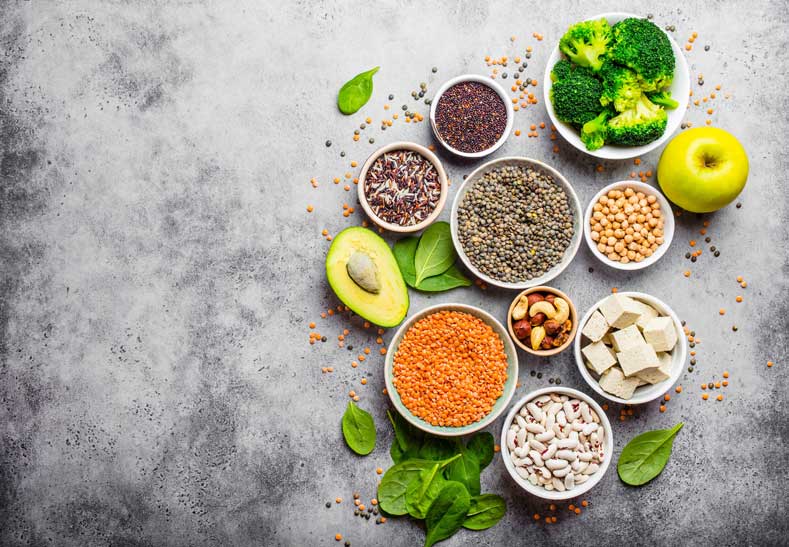
The foundation of an anti-inflammatory diet is a rich intake of plant-based foods. Fruits, vegetables, legumes, and nuts are packed with vitamins, minerals, fiber, and phytochemicals. These compounds work synergistically to reduce oxidative stress and inflammation within the body. Women are encouraged to fill their plates with a vibrant array of produce from across the color spectrum, ensuring a wide range of beneficial nutrients.
Specific plant foods known for their anti-inflammatory properties include leafy greens (spinach, kale), cruciferous vegetables (broccoli, cauliflower), berries (blueberries, raspberries), and citrus fruits. Incorporating a variety of these into daily meals provides a steady supply of protective compounds that support cellular health and help mitigate inflammatory processes.
2. Prioritize Whole Grains
Unlike refined grains, whole grains retain their bran, germ, and endosperm, which are rich in fiber, B vitamins, and various minerals. The high fiber content in whole grains, such as oats, brown rice, quinoa, and whole wheat, is crucial for gut health and can help regulate blood sugar levels, both of which contribute to reduced inflammation.
Regular consumption of whole grains helps support a healthy gut microbiome, which in turn influences the body's immune response and inflammatory pathways. For women, choosing whole grain options over refined carbohydrates can be a simple yet effective step in an anti-inflammatory dietary strategy aimed at supporting overall well-being.
3. Incorporate Healthy Fats
Not all fats are equal when it comes to inflammation. Healthy fats, particularly monounsaturated and polyunsaturated fats (including omega-3 fatty acids), are vital components of an anti-inflammatory diet. Foods rich in omega-3s, such as fatty fish (salmon, mackerel, sardines), flaxseeds, chia seeds, and walnuts, are particularly beneficial for their anti-inflammatory effects.
Monounsaturated fats found in olive oil, avocados, and certain nuts also play a role in managing inflammation. These healthy fats support cell membrane integrity and can help balance the body's inflammatory responses, contributing to a cellular environment that is less conducive to chronic inflammation.
4. Focus on Antioxidant-Rich Foods
Antioxidants are compounds that protect cells from damage caused by free radicals, which are unstable molecules that can contribute to inflammation and disease. An anti-inflammatory diet for women emphasizes foods high in antioxidants, such as brightly colored fruits and vegetables, green tea, dark chocolate, and spices like turmeric and ginger.
Consuming a diverse range of antioxidant sources helps to neutralize free radicals, reduce oxidative stress, and support the body's natural defense mechanisms. This daily intake of varied antioxidants is considered a cornerstone of dietary approaches aimed at promoting long-term health and effectively managing inflammation.
5. Limit Processed Foods and Sugars
A critical aspect of an anti-inflammatory diet involves significantly reducing or eliminating foods known to promote inflammation. This includes highly processed foods, sugary drinks, refined carbohydrates, and unhealthy trans fats. These items can disrupt gut health, lead to rapid blood sugar spikes, and increase systemic inflammation within the body.
For women aiming for cancer prevention through diet, minimizing the intake of these pro-inflammatory foods is as important as increasing beneficial foods. Making conscious choices to replace processed snacks with whole, natural alternatives can have a profound positive impact on inflammatory markers and overall health.
6. Ensure Adequate Hydration
Often overlooked, adequate hydration is fundamental to almost every bodily function, including the management of inflammation. Water helps transport nutrients, regulate body temperature, and lubricate joints. It also plays a key role in the efficient removal of waste products, which can otherwise contribute to systemic inflammation.
Women should aim to drink sufficient amounts of water throughout the day. Herbal teas can also contribute to hydration and offer additional antioxidant benefits. Staying well-hydrated supports cellular function, promotes healthy digestion, and is an integral part of maintaining an internal environment that supports overall health and helps mitigate inflammatory processes.