Natural Ways to Support Your Body's Anti-Inflammatory Response Inflammation is a natural and vital process where the body's immune system....
Natural Ways to Support Your Body's Anti-Inflammatory Response
Inflammation is a natural and vital process where the body's immune system responds to injury, infection, or irritation. While acute inflammation is a necessary part of healing, chronic inflammation – a prolonged, low-grade inflammatory response – can persist for months or years. This chronic state is a concern for overall well-being and is often influenced by lifestyle factors. Understanding and implementing natural strategies to help manage this state can contribute to a healthier life. This article explores six key natural approaches to support your body's anti-inflammatory processes. The information provided here is for general knowledge and educational purposes only, and does not constitute medical advice. Always consult with a qualified healthcare professional for any health concerns or before making any significant changes to your diet or lifestyle.
1. Prioritize an Anti-Inflammatory Diet
Adopting a diet rich in whole, unprocessed foods is a foundational step in supporting the body's natural ability to manage inflammation. Focus on nutrient-dense foods that provide antioxidants and other beneficial compounds.
Key Dietary Components:
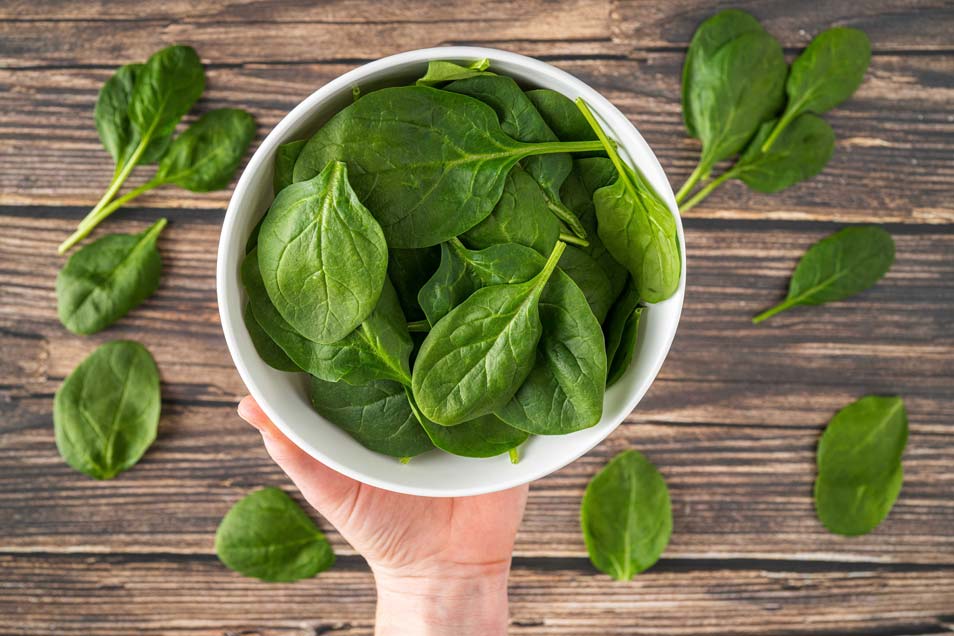
- Fruits and Vegetables: Emphasize a wide variety of colorful produce, especially leafy greens (spinach, kale), berries, and cruciferous vegetables (broccoli, cauliflower), which are packed with vitamins, minerals, and phytonutrients.
- Healthy Fats: Include sources of omega-3 fatty acids like fatty fish (salmon, mackerel, sardines), flaxseeds, chia seeds, and walnuts. Monounsaturated fats found in olive oil and avocados are also beneficial.
- Whole Grains: Choose whole grains over refined grains, such as oats, brown rice, quinoa, and whole wheat, which provide fiber and help regulate blood sugar levels.
- Lean Proteins: Opt for lean protein sources like poultry, legumes, and plant-based proteins.
Conversely, it is often suggested to limit or avoid highly processed foods, refined sugars, trans fats, and excessive amounts of red and processed meats, as these may contribute to inflammatory responses in some individuals.
2. Ensure Adequate Hydration
Water is essential for nearly every bodily function, including the transport of nutrients, waste removal, and temperature regulation. Staying well-hydrated is a simple yet powerful way to support cellular health and overall physiological processes that may influence inflammation. Water helps maintain the integrity of mucosal linings and aids the kidneys in flushing out toxins, both of which are important for maintaining a balanced internal environment. Drinking sufficient amounts of water throughout the day can help support the body's natural mechanisms for managing inflammatory markers.
3. Engage in Regular Physical Activity
Consistent and moderate physical activity can play a significant role in supporting the body's anti-inflammatory response. Regular exercise helps to reduce the levels of certain inflammatory markers in the body and promotes healthy circulation. It also contributes to maintaining a healthy weight, which is beneficial since excess adipose tissue can produce inflammatory compounds. Aim for a combination of aerobic activities, like walking or cycling, and strength training. It is important to listen to your body and choose activities that are appropriate for your fitness level, avoiding overexertion, especially if experiencing discomfort.
4. Manage Stress Effectively
Chronic stress can significantly impact various physiological systems, including the immune response, potentially leading to increased inflammation. The body's "fight or flight" response, when prolonged, can elevate stress hormones that may contribute to inflammatory processes. Implementing effective stress management techniques can help mitigate these effects.
Helpful Stress Reduction Practices:
- Mindfulness and Meditation
- Deep Breathing Exercises
- Yoga or Tai Chi
- Spending Time in Nature
- Engaging in Hobbies
Prioritizing mental well-being is an integral part of a holistic approach to health.
5. Prioritize Quality Sleep
Sleep is a fundamental pillar of health, allowing the body to repair, recover, and reset. Insufficient or poor-quality sleep can disrupt hormonal balance and immune function, potentially leading to an increase in inflammatory markers. Aiming for 7-9 hours of quality sleep per night is generally recommended for most adults. Establishing a consistent sleep schedule, creating a dark and quiet sleep environment, and avoiding screen time before bed can all contribute to better sleep hygiene. Prioritizing rest helps the body to regulate its systems more effectively, supporting its natural ability to manage inflammation.
6. Incorporate Anti-Inflammatory Herbs and Spices
Certain herbs and spices have been traditionally used and studied for their potential anti-inflammatory properties. While these should be viewed as supportive dietary additions rather than treatments, incorporating them into your daily cooking can be a flavorful way to enhance your diet.
Common Examples Include:
- Turmeric: Contains curcumin, a compound recognized for its potential antioxidant