Understanding Natural Ways to Support Healthy Blood Pressure Management Maintaining healthy blood pressure is vital for overall cardiovascular health. While....
Understanding Natural Ways to Support Healthy Blood Pressure Management
Maintaining healthy blood pressure is vital for overall cardiovascular health. While medication is sometimes necessary, many individuals look for natural ways to complement their healthcare plan and support optimal blood pressure levels. These natural approaches often involve lifestyle adjustments that promote general well-being. It is crucial to consult with a healthcare professional before making any significant changes to your diet or lifestyle, especially if you are currently on medication for high blood pressure.
Six Key Points for Natural Blood Pressure Support
1. Embrace a Heart-Healthy Diet
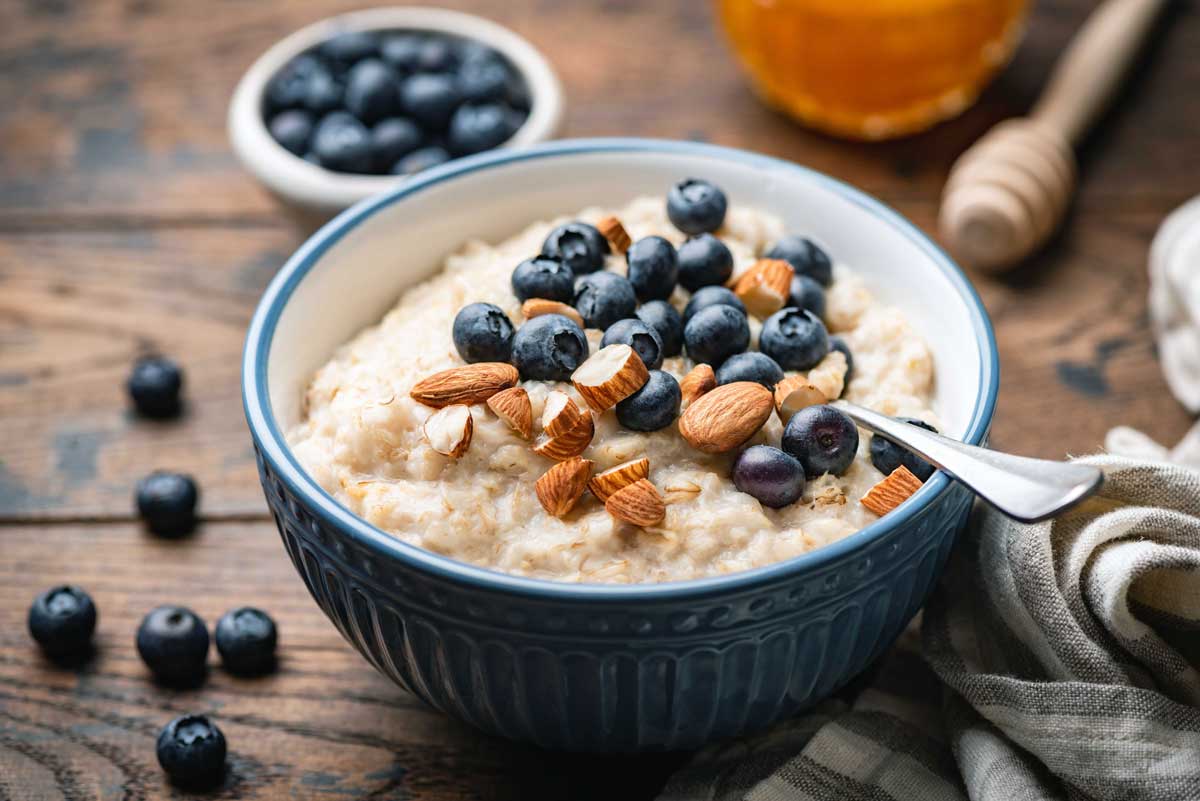
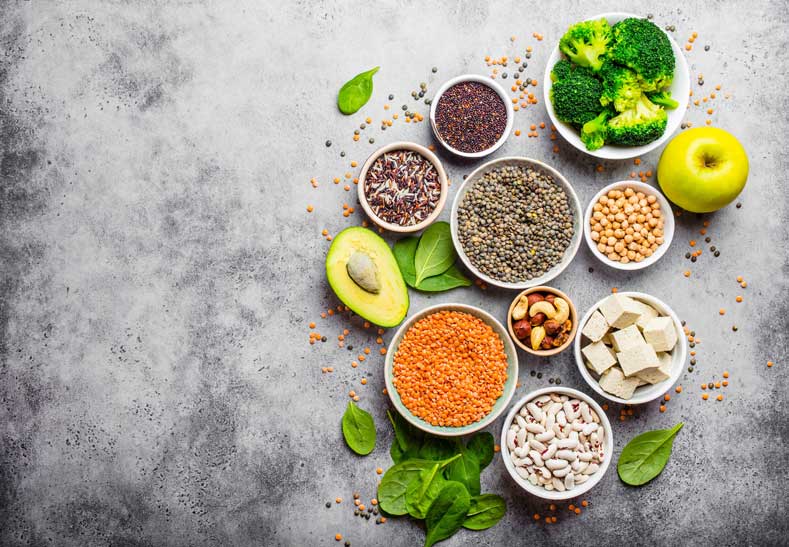
Dietary choices play a significant role in blood pressure management. Adopting an eating pattern rich in fruits, vegetables, whole grains, and lean proteins can be highly beneficial.
- Reduce Sodium Intake: Excessive sodium can contribute to elevated blood pressure for many people. Focus on fresh foods and read labels carefully to identify hidden sodium in processed items.
- Increase Potassium: Potassium helps balance sodium levels in the body. Good sources include bananas, spinach, avocados, sweet potatoes, and oranges.
- Follow the DASH Diet: The Dietary Approaches to Stop Hypertension (DASH) diet emphasizes consuming low-sodium, nutrient-rich foods while limiting saturated and total fats.
2. Engage in Regular Physical Activity
Consistent physical activity is a cornerstone of cardiovascular health. Regular exercise can help strengthen the heart, making it more efficient at pumping blood and potentially leading to lower blood pressure.
- Aerobic Exercise: Aim for at least 150 minutes of moderate-intensity aerobic activity per week, such as brisk walking, jogging, cycling, or swimming.
- Strength Training: Incorporate muscle-strengthening activities at least two days a week.
- Consistency is Key: Even short bursts of activity throughout the day can accumulate and contribute to overall health benefits.
3. Maintain a Healthy Weight
Body weight can have a direct impact on blood pressure. Carrying excess weight often requires the heart to work harder, which can lead to higher blood pressure over time.
- Gradual Weight Loss: Even a modest reduction in weight can make a noticeable difference in blood pressure levels.
- Balanced Approach: Combine a healthy diet with regular exercise to achieve and maintain a weight that is appropriate for your body type.
4. Practice Stress Management Techniques
Chronic stress can contribute to temporary spikes in blood pressure. Learning to manage stress effectively is an important component of a holistic approach to blood pressure support.
- Mindfulness and Meditation: Techniques like deep breathing, meditation, and yoga can help calm the nervous system.
- Engage in Hobbies: Dedicate time to activities you enjoy to help reduce daily stressors.
- Adequate Rest: Ensure you are getting enough downtime and breaks throughout your day.
5. Limit Alcohol and Caffeine Consumption
While moderate consumption of certain beverages may be acceptable for some, excessive intake can impact blood pressure.
- Alcohol: Heavy alcohol consumption can elevate blood pressure. If you drink alcohol, do so in moderation, as recommended by health guidelines.
- Caffeine: Caffeine can cause a temporary increase in blood pressure. Monitor your intake and its effects on your body.
6. Prioritize Quality Sleep
Adequate and restful sleep is essential for overall health, including blood pressure regulation. Poor sleep quality or chronic sleep deprivation can negatively impact blood pressure.
- Consistent Sleep Schedule: Try to go to bed and wake up at the same time each day, even on weekends.
- Create a Relaxing Environment: Ensure your bedroom is dark, quiet, and cool.
- Address Sleep Disorders: If you suspect you have a sleep disorder like sleep apnea, consult a healthcare professional.
Summary
Supporting healthy blood pressure naturally involves a multi-faceted approach centered on lifestyle modifications. Adopting a heart-healthy diet, engaging in regular physical activity, maintaining a healthy weight, managing stress, limiting certain substances, and prioritizing quality sleep are all valuable strategies. These natural ways can contribute significantly to cardiovascular well-being. Always remember to discuss any blood pressure concerns and natural approaches with your healthcare provider to ensure they are safe and appropriate for your individual health needs.