Natural Ways to Improve Metabolism: 6 Key Strategies Metabolism is the complex process by which your body converts what you....
Natural Ways to Improve Metabolism: 6 Key Strategies
Metabolism is the complex process by which your body converts what you eat and drink into energy. A healthy and efficient metabolism is vital for overall well-being, influencing everything from daily energy levels to body composition. While factors like age, genetics, and underlying health conditions play a role, there are several natural and sustainable strategies individuals can adopt to support and optimize their metabolic rate. This article explores six fundamental approaches to naturally enhance your metabolism.
1. Prioritize Protein Intake
Protein is known to have a higher thermic effect of food (TEF) compared to fats and carbohydrates. This means your body expends more energy digesting, absorbing, and processing protein-rich foods. Including sufficient protein in your diet can therefore slightly increase calorie expenditure. Beyond TEF, protein also contributes significantly to satiety, helping to manage appetite, and is crucial for maintaining and building muscle mass, which is directly linked to a higher resting metabolic rate.
2. Incorporate Strength Training
Muscle tissue burns more calories at rest than fat tissue. Engaging in regular strength training exercises helps build and preserve valuable muscle mass. Even when you are not actively exercising, a higher proportion of muscle in your body means your resting metabolic rate (RMR) is elevated, prompting your body to burn more calories simply to maintain its basic functions.
Why Muscle Matters for Metabolism
Strength training involves activities like weightlifting or bodyweight exercises that challenge your muscles. As your muscles adapt and grow stronger, they become more metabolically active. This increased metabolic activity helps in sustaining a healthy weight and improving overall metabolic function over time. Aim for a balanced routine that targets major muscle groups several times a week.
3. Stay Adequately Hydrated
Water is essential for countless bodily functions, including crucial metabolic processes. Dehydration, even mild, can potentially slow down metabolism. Research suggests that drinking enough water can temporarily increase energy expenditure. Cold water, in particular, may prompt the body to burn a few extra calories as it works to warm the water to body temperature.
The Role of Water in Energy Conversion
Water plays a vital role in thermogenesis, the process of heat production in the body, which is intertwined with metabolism. It also helps transport essential nutrients and oxygen to cells, aiding them in their energy-producing activities. Making water your primary beverage choice can support a healthy metabolic rate and overall physiological efficiency.
4. Ensure Sufficient Sleep
Sleep deprivation can have a significant detrimental effect on metabolism. A lack of adequate, quality sleep can disrupt the delicate balance of hormones that regulate appetite and metabolism, specifically ghrelin (which stimulates hunger) and leptin (which signals fullness). Insufficient sleep can also increase cortisol levels, a stress hormone that, when chronically elevated, can lead to increased fat storage and a potentially slower metabolism. Aim for 7-9 hours of quality sleep per night to support optimal metabolic health.
5. Manage Stress Levels
Chronic stress leads to elevated levels of the hormone cortisol. While cortisol is vital for managing acute stress responses, persistently high levels can negatively impact metabolism. High cortisol can encourage the body to store fat, particularly in the abdominal area, and can also interfere with blood sugar regulation, potentially leading to metabolic slowdown. Implementing stress-reducing practices such as mindfulness, meditation, deep breathing exercises, yoga, or spending time in nature can help keep cortisol levels in check.
6. Get Enough Fiber and Whole Foods
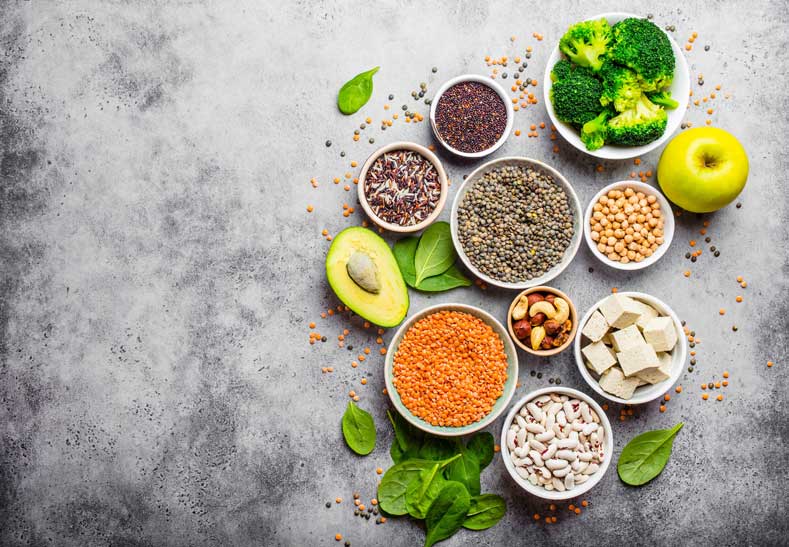
Diets rich in fiber, found abundantly in fruits, vegetables, legumes, and whole grains, contribute to metabolic health in several ways. Fiber promotes satiety, helping to prevent overeating by making you feel fuller for longer. It also supports a healthy gut microbiome, which is increasingly recognized for its role in metabolism and weight management. Whole foods, in general, require more energy to digest compared to highly processed foods, which are often calorie-dense but nutrient-poor and quickly absorbed.
The Benefits of Whole Grains and Legumes
Incorporating a variety of whole grains, such as oats, brown rice, and quinoa, along with legumes like lentils and beans, provides sustained energy, helps stabilize blood sugar, and supplies essential vitamins and minerals that are crucial for metabolic function. These foods often require more energy for the body to break down, contributing positively to the thermic effect of food.
Summary
Enhancing your metabolism naturally involves adopting a holistic approach that integrates several key lifestyle factors. By prioritizing protein intake, engaging in regular strength training, staying consistently well-hydrated, ensuring adequate and restful sleep, effectively managing stress, and focusing on a diet rich in fiber and whole foods, individuals can significantly support their body's metabolic efficiency. While individual results may vary, consistently applying these evidence-based strategies can contribute to better energy levels, improved body composition, and overall metabolic well-being. Always consider consulting a healthcare professional or registered dietitian for personalized advice regarding your health and dietary needs.