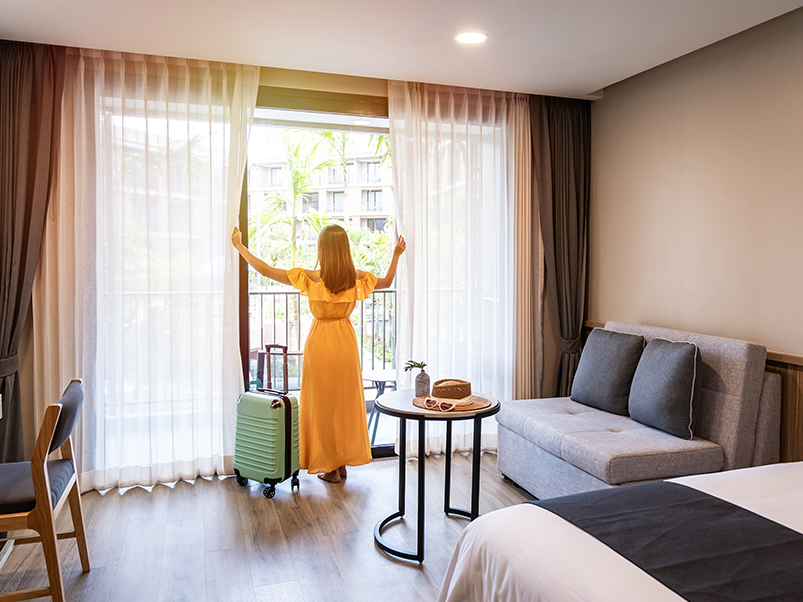
Apartment living has become one of the most popular housing choices across urban and suburban areas. From young professionals and students to families and retirees, millions of people choose apartments for their affordability, convenience, and community-focused lifestyle. Understanding how apartment living works can help renters make informed decisions, manage costs effectively, and enjoy a more comfortable living experience.
What Is Apartment Living?
Apartment living refers to residing in a rental unit within a multi-story or multi-unit residential building. Each apartment is a private living space that typically includes a bedroom, bathroom, kitchen, and living area. Unlike independent houses, apartments share common areas such as hallways, parking spaces, elevators, gyms, or gardens.
Apartments may be owned by individual landlords or managed by professional property management companies. Residents pay monthly rent in exchange for the right to live in the unit and use shared facilities under agreed lease terms.
How Leasing an Apartment Works
The apartment living process usually begins with selecting a suitable unit based on budget, location, and amenities. Prospective tenants submit an application, provide identification, income proof, and often undergo background or credit checks.
Once approved, the renter signs a lease agreement outlining rent amount, lease duration, maintenance responsibilities, and rules. Lease terms typically last 6 to 12 months, though short-term or month-to-month options may also be available. Websites like Zillow and Apartments.com help renters compare listings and understand pricing trends.
Rent, Deposits, and Monthly Costs
Apartment living involves more than just monthly rent. Most landlords require a security deposit, which is usually refundable if the unit is left in good condition. In some cases, application fees and move-in fees may apply.
Other recurring costs may include utilities, internet, parking fees, and renter’s insurance. Many modern apartments bundle amenities like water, trash removal, or maintenance into the rent, offering cost predictability compared to homeownership.
Maintenance and Property Management
One of the biggest advantages of apartment living is professional maintenance support. Property management teams handle repairs related to plumbing, electrical systems, heating, and appliances. Tenants submit maintenance requests, and repairs are completed without the financial burden typically associated with owning a house.
This structure allows residents to focus on daily life rather than long-term property upkeep, making apartment living especially appealing for busy professionals and seniors.
Amenities and Shared Spaces
Apartments often include shared amenities that enhance lifestyle convenience. These may include fitness centers, swimming pools, coworking areas, playgrounds, laundry rooms, and community halls. Luxury apartment communities may offer concierge services and smart home integrations.
Such features provide value beyond the living unit itself, offering social interaction and access to facilities that would be costly to maintain individually.
Rules, Policies, and Community Living
Apartment living operates under community rules to ensure harmonious coexistence. These rules may cover noise limits, pet policies, guest regulations, and use of common areas. Management enforces these guidelines to maintain safety and comfort for all residents.
Living close to neighbors requires respect and adaptability, but it also creates opportunities for social connections and a sense of belonging.
Advantages of Apartment Living
- Lower upfront costs compared to buying a home
- Access to amenities without maintenance responsibility
- Flexible lease options
- Central locations close to work and services
- Professional maintenance and security
Is Apartment Living Right for You?
Apartment living works best for individuals who value flexibility, convenience, and minimal maintenance. It is an ideal option for people who relocate frequently, prefer urban lifestyles, or want predictable housing expenses. With careful planning and understanding of lease terms, apartment living can be both practical and rewarding.
Final Thought
Apartment living works by combining private living spaces with shared community infrastructure, offering a balanced, cost-effective housing solution. By understanding leasing, costs, amenities, and community rules, renters can make the most of apartment life while enjoying comfort, convenience, and peace of mind.