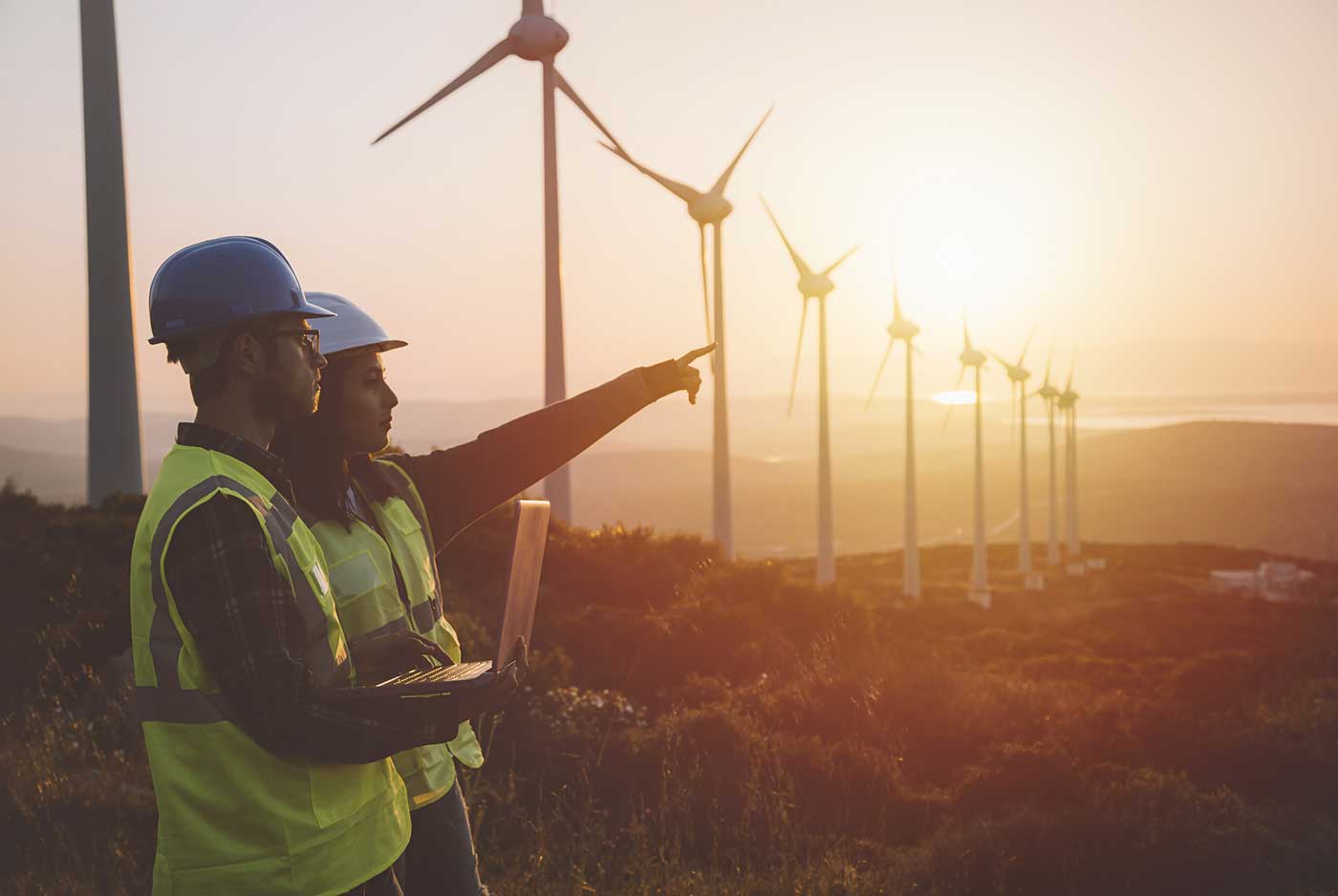
Green Building Solar Energy: 6 Key Principles for Sustainable Construction Green building practices aim to create structures that are environmentally....
Green Building Solar Energy: 6 Key Principles for Sustainable Construction
Green building practices aim to create structures that are environmentally responsible and resource-efficient throughout a building's life-cycle. A cornerstone of achieving true sustainability within this framework is the integration of solar energy. Harnessing the sun's power provides a clean, renewable energy source, significantly reducing a building's operational carbon footprint and dependence on fossil fuels. This article outlines six essential principles concerning green building solar energy, highlighting its critical role in shaping a more sustainable future.
1. Understanding the Synergy Between Green Building and Solar Energy
Green building emphasizes strategies for site selection, design, construction, operation, maintenance, renovation, and deconstruction that minimize environmental impact. Solar energy, particularly photovoltaic (PV) systems, directly contributes to this ethos by providing on-site renewable power generation. This synergy helps buildings achieve net-zero energy status, where annual energy consumption is roughly equal to the amount of renewable energy created on-site. The goal is to reduce demand while meeting remaining needs cleanly.
Holistic Approach to Energy Efficiency
Integrating solar energy is not just about adding panels; it involves a holistic approach. This begins with energy-efficient design choices, such as optimal insulation, high-performance windows, and passive solar design strategies, which reduce the overall energy demand of the building. Once demand is minimized, solar energy systems can more effectively meet the remaining needs, leading to greater self-sufficiency and lower operating costs.
2. Core Benefits of Solar Integration in Green Structures
The incorporation of solar energy systems into green buildings offers a multitude of advantages, impacting environmental, economic, and social aspects of a project.
Environmental Stewardship
Solar energy produces electricity without generating greenhouse gas emissions during operation, significantly lowering a building's carbon footprint. This directly combats climate change and reduces air pollution, contributing to healthier environments both locally and globally. Utilizing solar power lessens reliance on non-renewable resources and promotes a circular economy in energy production.
Economic Advantages
Beyond environmental benefits, solar energy offers substantial economic incentives. Reduced or eliminated electricity bills provide long-term operational savings. Additionally, solar installations can increase property value, offer a hedge against rising energy prices, and qualify for various financial incentives and tax credits, which improve the overall return on investment.
3. Primary Solar Technologies Utilized in Green Buildings
Green buildings typically incorporate two main types of solar energy systems: photovoltaic (PV) systems and solar thermal systems, each serving distinct energy needs.
Photovoltaic (PV) Systems
PV systems convert sunlight directly into electricity using semiconductor materials. These are the most common form of solar energy found on green buildings, used to power lights, appliances, and HVAC systems. PV panels can be mounted on rooftops, integrated into facades (Building-Integrated Photovoltaics or BIPV), or installed as ground mounts, depending on space and design considerations.
Solar Thermal Systems
Solar thermal systems, also known as solar hot water systems, capture sunlight to heat water or air for domestic use or space heating. These systems typically use collectors to absorb solar radiation and transfer the heat to a fluid, which then circulates to a storage tank or heating system. They are highly efficient for meeting a significant portion of a building's hot water demand.
4. Critical Design and Integration Factors for Solar Energy
Successful integration of solar energy into green buildings requires careful planning and consideration of several key design factors from the outset of a project.
Optimal Placement and Orientation
The efficiency of solar panels is highly dependent on their placement and orientation. Optimal positioning typically involves south-facing roofs or facades (in the Northern Hemisphere) with an appropriate tilt angle to maximize sun exposure throughout the year. Shading from trees, adjacent buildings, or architectural elements must be carefully assessed and minimized to ensure peak performance.
Energy Storage Solutions
To enhance energy independence and reliability, green buildings often integrate battery storage systems with their solar arrays. Battery storage allows excess electricity generated during sunny periods to be stored and utilized when solar production is low (e.g., at night or on cloudy days), or during peak demand times. This reduces reliance on the grid and can provide resilience during power outages.
5. Financial Incentives and Long-Term Value
The economic viability of green building solar energy projects is significantly bolstered by various financial mechanisms and the inherent long-term value they provide.
Government Incentive Programs
Many governments offer incentives to encourage solar energy adoption, including tax credits, rebates, grants, and feed-in tariffs. These programs can substantially reduce the upfront cost of installation, making solar more accessible and accelerating the return on investment. Researching local and national incentives is a crucial step in project planning.
Lifetime Value and Return on Investment
While the initial investment in solar energy can be significant, the long-term savings on utility bills, increased property value, and reduced carbon emissions contribute to a strong return on investment over the system's lifespan, which can exceed 25-30 years. Solar power hedges against future energy price volatility, offering predictable operational costs for decades.
6. Emerging Trends and Innovations in Green Building Solar Energy
The field of green building solar energy is continuously evolving, with new technologies and integration methods emerging to enhance performance and aesthetics.
Building-Integrated Photovoltaics (BIPV)
BIPV takes solar integration beyond simple panel mounting by making PV modules an integral part of the building's envelope. This includes PV shingles, roof tiles, facade elements, and even transparent or semi-transparent PV glass. BIPV systems offer both power generation and architectural functionality, often leading to more aesthetically pleasing and versatile solutions that eliminate the need for separate roofing or cladding materials.
Smart Grid Readiness and Management Systems
Modern green buildings equipped with solar energy are increasingly designed to be "smart grid ready." This involves integrating advanced energy management systems that optimize solar power generation, consumption, and storage. These systems can communicate with the utility grid, allowing for demand response, efficient energy trading, and enhanced grid stability, positioning buildings as active participants in the future energy landscape.
Summary
The integration of solar energy is a pivotal component of sustainable green building practices, offering profound environmental and economic benefits. By understanding the synergy between green design and solar technology, leveraging diverse solar systems, and considering critical design factors, buildings can achieve greater energy independence and reduce their ecological footprint. Financial incentives further support this transition, while emerging innovations like BIPV and smart grid integration continue to push the boundaries of what is possible. Embracing green building solar energy is not merely a trend but a fundamental step towards creating resilient, energy-efficient, and environmentally responsible structures for future generations.