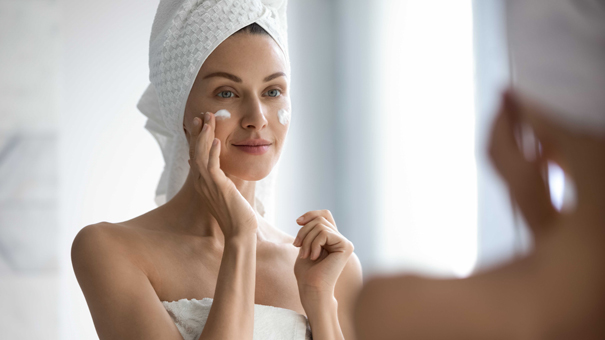
Effective Anti-Aging Skincare: A Comprehensive Guide to Youthful, Healthy Skin As we navigate life, our skin naturally undergoes changes. While....
Effective Anti-Aging Skincare: A Comprehensive Guide to Youthful, Healthy Skin
As we navigate life, our skin naturally undergoes changes. While aging is a beautiful and inevitable process, understanding how to care for your skin can help maintain its vitality, reduce the visible signs of aging, and promote overall skin health. Anti-aging skincare isn't about halting time, but rather about supporting your skin's natural functions and protecting it from environmental stressors. This guide will explore the core principles of effective anti-aging skincare, from understanding its causes to building a powerful routine.
Understanding Skin Aging: Intrinsic vs. Extrinsic Factors
The aging process of our skin is a complex interplay of two main factors: intrinsic and extrinsic. Intrinsic aging, also known as chronological aging, is the natural, genetically determined process that affects everyone. Over time, our bodies naturally produce less collagen and elastin, the proteins responsible for skin's firmness and elasticity, leading to thinner skin, fine lines, and wrinkles.
Extrinsic aging, on the other hand, is influenced by external environmental factors. The most significant contributor is prolonged exposure to ultraviolet (UV) radiation from the sun, which causes photodamage. Other factors include pollution, smoking, poor diet, and stress. These elements generate free radicals that damage skin cells, accelerating the breakdown of collagen and elastin, leading to premature wrinkles, dark spots, and loss of skin elasticity.
Key Ingredients for Potent Anti-Aging Skincare
When selecting anti-aging skincare products, understanding the active ingredients is crucial. Certain components are widely recognized for their efficacy in addressing common signs of aging and supporting skin health.
Retinoids (Vitamin A Derivatives)
Often considered the gold standard in anti-aging, retinoids (like retinol) work by encouraging cell turnover, stimulating collagen production, and improving skin texture and tone. They can help diminish the appearance of fine lines, wrinkles, and hyperpigmentation, contributing to smoother, more youthful-looking skin.
Antioxidants (e.g., Vitamin C, Vitamin E, Ferulic Acid)
Antioxidants combat free radicals generated by UV exposure and pollution, which can damage skin cells. Vitamin C, in particular, is a powerful antioxidant that brightens skin, helps even out skin tone, and supports collagen synthesis. Incorporating an antioxidant serum into your morning routine can offer valuable protection.
Hyaluronic Acid
A hydration hero, hyaluronic acid is a humectant that can hold up to 1,000 times its weight in water. It draws moisture into the skin, plumping it up and reducing the visibility of fine lines caused by dehydration. This leads to a smoother, more supple complexion.
Peptides
Peptides are short chains of amino acids that act as building blocks for proteins like collagen and elastin. When applied topically, certain peptides can signal the skin to produce more collagen, which can improve skin firmness, reduce wrinkles, and enhance overall skin resilience.
Sunscreen (SPF)
Without a doubt, daily sun protection is the most critical anti-aging step. Broad-spectrum sunscreen with an SPF of 30 or higher protects the skin from harmful UVA and UVB rays, preventing photodamage, premature aging, and the development of dark spots. It's essential to apply it every day, regardless of the weather.
Crafting Your Effective Anti-Aging Skincare Routine
Consistency is key when it comes to seeing results from your anti-aging skincare. A well-structured routine, tailored to your skin's needs, will maximize the benefits of your products.
- Morning Routine:
- Cleanse: Start with a gentle cleanser to remove impurities without stripping natural oils.
- Antioxidant Serum: Apply a Vitamin C or other antioxidant serum for environmental protection.
- Moisturize: Use a hydrating moisturizer to lock in moisture and support the skin barrier.
- Sunscreen: Finish with broad-spectrum SPF 30+ to protect against UV damage. This is non-negotiable for preventing signs of aging.
- Evening Routine:
- Double Cleanse: Remove makeup and grime with an oil-based cleanser, followed by a gentle water-based cleanser.
- Targeted Treatment (Retinoids/Peptides): Apply your chosen anti-aging serum or cream. If using retinoids, start slowly to allow your skin to adjust.
- Moisturize: Use a richer night cream to support skin repair and hydration overnight.
Beyond Products: Lifestyle for Youthful Skin
While topical products are vital, a holistic approach that includes healthy lifestyle choices significantly contributes to youthful, radiant skin. Your daily habits have a profound impact on how your skin looks and feels.
- Balanced Diet: Consume plenty of fruits, vegetables, and whole grains rich in antioxidants. Healthy fats from avocados and nuts support skin barrier function.
- Hydration: Drink adequate water throughout the day to keep your skin plump and hydrated from within.
- Quality Sleep: During sleep, your skin undergoes repair and regeneration. Aim for 7-9 hours of quality sleep each night.
- Stress Management: Chronic stress can trigger hormonal changes that impact skin health. Incorporate stress-reducing activities like meditation or exercise.
- Avoid Smoking: Smoking significantly accelerates skin aging, leading to wrinkles, dullness, and a compromised complexion.
- Limited Sun Exposure: Beyond sunscreen, seek shade and wear protective clothing when spending extended time outdoors.
Embracing a Proactive Approach to Skin Health
Effective anti-aging skincare is a journey of understanding your skin's unique needs, consistently applying beneficial products, and nurturing your body with healthy lifestyle choices. By focusing on protection, hydration, and targeted treatments, you can proactively support your skin's health and appearance, allowing you to embrace your natural beauty with confidence at any age. Remember, patience and consistency are your greatest allies in achieving a youthful, healthy glow.
FAQ
When should I start using anti-aging skincare?
While there's no single "right" age, many dermatologists suggest starting in your mid-20s to early 30s. This proactive approach focuses on prevention, primarily through consistent sunscreen use and introducing gentle antioxidants, which can delay the appearance of common signs of aging.
Can natural ingredients reverse aging signs?
While many natural ingredients (like green tea extract, certain botanical oils, and aloe vera) offer antioxidant benefits and hydration, their ability to "reverse" significant signs of aging like deep wrinkles or severe sun damage is often limited compared to clinically proven ingredients like retinoids or powerful antioxidants. They can certainly support overall skin health and provide gentle care.
Is anti-aging skincare suitable for sensitive skin?
Yes, but those with sensitive skin should choose products carefully. Look for formulations specifically designed for sensitive skin, avoid harsh ingredients, and introduce new products one at a time. Start with lower concentrations of active ingredients (like retinol) and always perform a patch test first. Hydrating and barrier-repairing ingredients are also beneficial.
How long does it take to see results from anti-aging products?
Patience is crucial. While some products, like hydrating serums, can show immediate plumping effects, visible improvements in fine lines, wrinkles, and dark spots typically take time. Consistent use for 6-12 weeks is often needed to observe noticeable changes, as skin cell turnover and collagen production take time to respond.
What's the most important step in an anti-aging routine?
Without a doubt, daily broad-spectrum sunscreen application (SPF 30 or higher) is the single most important step. UV radiation is the primary external cause of premature aging, contributing to wrinkles, dark spots, and loss of elasticity. Protecting your skin from the sun is fundamental to preventing further damage and maintaining youthful skin.