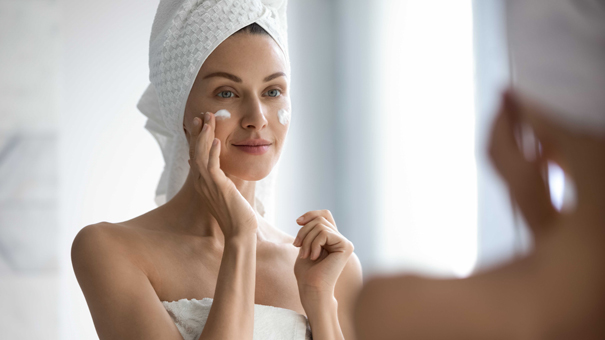
In an era where well-being and mindful consumption are increasingly prioritized, the interest in natural skincare products has surged. Moving beyond traditional formulations, natural skincare emphasizes ingredients derived from nature, aiming to nourish the skin gently and effectively. This approach often resonates with individuals seeking a simpler, more holistic routine for their skin health.
What Defines Natural Skincare?
Natural skincare generally refers to products made with ingredients sourced from plants, minerals, and the sea, with minimal processing. The core idea is to utilize ingredients as close to their original state as possible, harnessing their inherent properties to benefit the skin.
Key Characteristics
Products categorized as natural skincare typically feature components like botanical extracts, essential oils, plant-derived butters, and mineral compounds. They often aim to avoid synthetic fragrances, parabens, phthalates, sulfates, and artificial colors, which are common in many conventional beauty items. The emphasis is on purity and efficacy through nature's bounty.
The Benefits of Choosing Natural Skincare
Opting for natural skincare can offer several advantages, contributing to both skin health and broader lifestyle preferences.
Gentler on the Skin
Many individuals find natural products to be kinder to their skin, particularly those with sensitivities or allergies. By reducing exposure to synthetic chemicals and irritants, natural formulations can help minimize redness, itching, and dryness, supporting the skin's natural barrier function.
Rich in Nutrients
Natural ingredients are often packed with beneficial compounds like vitamins, antioxidants, and essential fatty acids. For example, plant oils can provide hydration and improve skin elasticity, while botanical extracts offer antioxidant protection against environmental stressors. These nutrients work synergistically to support overall skin vitality.
Environmentally Conscious Choices
Many natural skincare brands prioritize sustainable sourcing, ethical practices, and biodegradable ingredients. Choosing these products can align with a desire to reduce environmental impact, as natural components often break down more easily in the environment compared to synthetic counterparts.
Supporting Holistic Well-being
For some, using natural skincare is part of a broader commitment to a healthy, balanced lifestyle. The act of applying products derived from nature can feel more authentic and comforting, contributing to a sense of holistic well-being.
Common Natural Skincare Ingredients
A diverse range of natural ingredients forms the backbone of these products, each offering unique benefits.
Plant Extracts and Oils
Ingredients like aloe vera, known for its soothing properties, and green tea extract, revered for its antioxidant content, are widely used. Plant oils such as jojoba oil, argan oil, and rosehip oil are valued for their moisturizing capabilities and ability to mimic the skin's natural sebum.
Clays and Minerals
Clays like bentonite and kaolin are often used in masks for their purifying and detoxifying properties, drawing out impurities from the skin. Minerals, including zinc oxide and titanium dioxide, serve as natural sunscreens in some formulations.
Hydrosols and Floral Waters
These fragrant waters, such as rose water and lavender water, are by-products of essential oil distillation. They offer mild toning, refreshing, and calming effects, making them popular in toners and mists.
How to Choose Effective Natural Skincare Products
Navigating the world of natural skincare requires an informed approach to ensure you select products that genuinely benefit your skin.
Read Ingredient Labels Carefully
Always examine the ingredient list. Look for names you recognize and understand. The fewer ingredients, and the more transparent the list, often indicate a more natural product. Be aware that terms like "natural" are not always strictly regulated, so label scrutiny is essential.
Understand Your Skin Type
Even natural ingredients can affect different skin types uniquely. Research which natural components are best suited for oily, dry, combination, sensitive, or mature skin to tailor your choices effectively.
Patch Testing is Key
Before incorporating a new natural product into your full routine, perform a patch test on a small, inconspicuous area of your skin. This helps identify any potential sensitivities or reactions without affecting your entire face.
Final Thought
Embracing natural skincare products can be a rewarding journey towards healthier, more balanced skin. By understanding what makes these products unique, recognizing common beneficial ingredients, and making informed choices, individuals can create a skincare routine that aligns with both their personal values and their desire for a radiant, well-nourished complexion.