Cancer Prevention Month: Essential Tips for Awareness and Proactive Health February marks Cancer Prevention Month, a dedicated time to raise....
Cancer Prevention Month: Essential Tips for Awareness and Proactive Health
February marks Cancer Prevention Month, a dedicated time to raise awareness about cancer risk reduction and empower individuals to make informed choices for their well-being. While there is no single guaranteed way to prevent cancer, research indicates that a significant portion of cancer cases could be preventable through lifestyle modifications and early detection. This month serves as an important reminder to focus on proactive steps and understand the factors that can influence cancer risk. By adopting healthy habits and staying informed, individuals can play an active role in their long-term health journey.
1. Embrace a Balanced, Nutrient-Rich Diet
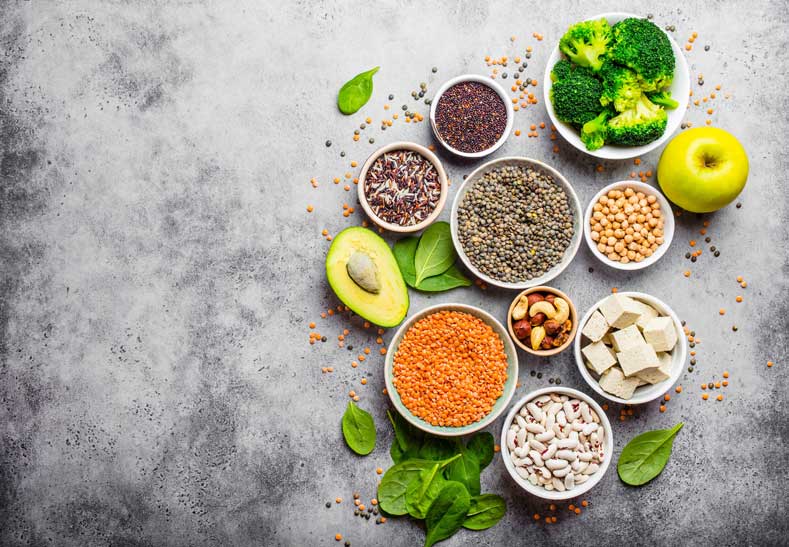
Dietary choices play a significant role in overall health and can influence cancer risk. A balanced diet rich in fruits, vegetables, and whole grains provides essential vitamins, minerals, and antioxidants that support cellular health. Focusing on plant-based foods, such as leafy greens, berries, legumes, and cruciferous vegetables, is often recommended. Conversely, limiting the consumption of highly processed foods, sugary drinks, red and processed meats, and excessive saturated fats can contribute positively to prevention efforts. Making conscious food choices can support a healthy weight, which is another important factor in reducing cancer risk.
2. Prioritize Regular Physical Activity
Engaging in consistent physical activity is a cornerstone of a healthy lifestyle and is associated with a lower risk for several types of cancer. Regular exercise helps maintain a healthy body weight, improves immune function, reduces inflammation, and positively impacts hormone levels. Both aerobic activities, like brisk walking, jogging, or cycling, and strength training exercises are beneficial. Aiming for at least 150 minutes of moderate-intensity or 75 minutes of vigorous-intensity aerobic activity each week, combined with muscle-strengthening activities on two or more days, is a general guideline for adults. Incorporating movement into daily routines, even in small increments, can make a difference.
3. Protect Your Skin from Sun Exposure
Overexposure to ultraviolet (UV) radiation from the sun or tanning beds is a primary risk factor for skin cancers, including melanoma, basal cell carcinoma, and squamous cell carcinoma. Protecting your skin is a crucial preventive measure. This includes seeking shade, especially during peak sun hours (typically 10 a.m. to 4 p.m.), wearing protective clothing like long-sleeved shirts, pants, and wide-brimmed hats, and using broad-spectrum sunscreen with an SPF of 30 or higher. Regular self-examinations of the skin to check for new or changing moles and professional skin checks can also aid in early detection.
4. Understand the Value of Early Detection and Screenings
For many cancers, early detection significantly improves treatment outcomes. Cancer Prevention Month highlights the importance of understanding and utilizing age-appropriate screening guidelines. Regular screenings, such as mammograms for breast cancer, colonoscopies for colorectal cancer, and Pap tests for cervical cancer, can identify precancerous conditions or cancer at its earliest, most treatable stages. Being aware of one's family history and personal risk factors, and discussing these with healthcare professionals, can help determine the most suitable screening schedule and preventive strategies. It is important to consult with a healthcare provider to understand recommended screenings based on individual circumstances.
5. Avoid Tobacco and Limit Alcohol Consumption
Tobacco use in any form, including cigarettes, cigars, chewing tobacco, and vaping, is a leading preventable cause of cancer and is linked to numerous cancer types, including lung, throat, mouth, esophageal, and bladder cancers. Quitting tobacco is one of the most impactful steps an individual can take to reduce their cancer risk. Additionally, alcohol consumption is a known carcinogen, increasing the risk for cancers of the mouth, throat, esophagus, liver, breast, and colon. Limiting alcohol intake or abstaining altogether can significantly lower these risks. General guidelines suggest up to one drink per day for women and up to two drinks per day for men, if consumed at all.
6. Stay Informed About Vaccinations and Environmental Factors
Certain vaccinations offer protection against viruses known to cause cancer. The Human Papillomavirus (HPV) vaccine can prevent infections that lead to most cervical cancers, as well as some anal, oral, and other cancers. The Hepatitis B vaccine helps prevent chronic Hepatitis B infection, which can lead to liver cancer. Beyond vaccinations, being aware of environmental factors and occupational hazards, such as exposure to certain chemicals or radiation, can also be important. Understanding potential risks in one's environment and taking measures to minimize exposure, where possible, contributes to a comprehensive approach to cancer prevention.
Summary
Cancer Prevention Month serves as a critical opportunity to re-evaluate lifestyle choices and prioritize preventive health. By integrating a balanced diet, regular physical activity, sun protection, and responsible choices regarding tobacco and alcohol into daily life, individuals can significantly contribute to reducing their cancer risk. Furthermore, understanding the importance of early detection through recommended screenings and staying informed about protective vaccinations and environmental factors are vital components of a proactive approach to health. These collective efforts empower individuals to take control of their well-being and foster healthier communities.