Belly fat, also known as abdominal fat, is more than just a cosmetic concern; it's a significant indicator of potential....
Belly fat, also known as abdominal fat, is more than just a cosmetic concern; it's a significant indicator of potential health risks. Understanding what belly fat is, why it matters, and implementing sustainable strategies are key steps toward its effective removal. This guide explores a user-first approach to reducing abdominal fat through healthy, evidence-based methods.
Why Belly Fat Matters for Your Health
Excess fat around your waistline, particularly visceral fat, is linked to a higher risk of various health problems. Recognizing the different types of belly fat and their implications is crucial.
Types of Belly Fat
- Subcutaneous Fat: This is the fat you can pinch just under your skin. While it contributes to overall body fat, it's less metabolically active than visceral fat.
- Visceral Fat: Located deep inside your abdomen, surrounding your organs. This "active" fat releases inflammatory substances and hormones that can negatively impact your health.
Associated Health Risks
High levels of visceral fat are strongly associated with an increased risk of:
- Type 2 diabetes
- Heart disease and stroke
- Certain cancers
- High blood pressure
- Sleep apnea
Effective Strategies for Belly Fat Reduction
Achieving successful belly fat removal requires a holistic approach that focuses on overall fat loss, as spot reduction is not scientifically supported. The following strategies contribute to reducing fat throughout your body, including your midsection.
Dietary Changes for Fat Loss
Your diet plays a pivotal role in managing belly fat. Focus on nutrient-dense foods and mindful eating habits:
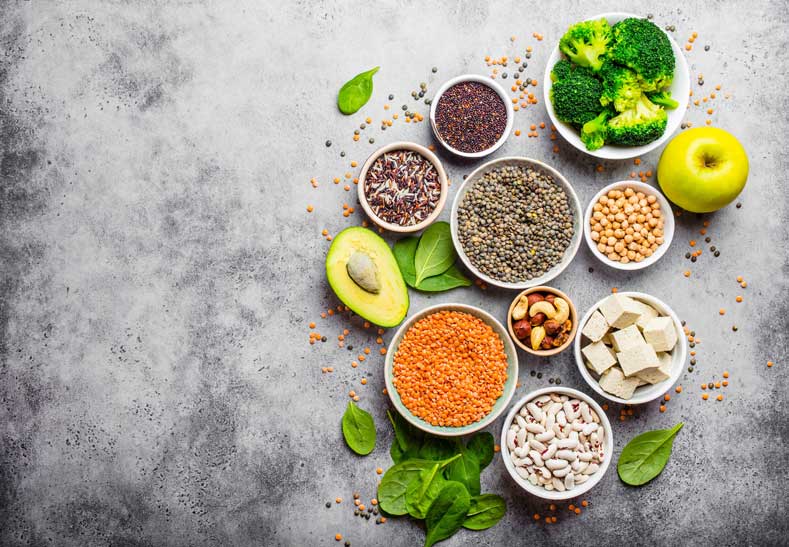
- Prioritize Whole Foods: Incorporate plenty of fruits, vegetables, lean proteins (chicken, fish, beans), and whole grains.
- Reduce Refined Carbs and Sugars: Limit sugary drinks, pastries, white bread, and processed snacks, which can contribute to abdominal fat accumulation.
- Increase Fiber Intake: Soluble fiber, found in oats, beans, apples, and citrus fruits, can help reduce visceral fat.
- Include Healthy Fats: Monounsaturated and polyunsaturated fats (avocado, nuts, olive oil) are beneficial in moderation.
- Control Portion Sizes: Eating balanced meals in appropriate portions helps manage calorie intake.
Regular Physical Activity
Exercise is essential for burning calories, building muscle, and supporting overall fat loss.
- Aerobic Exercise (Cardio): Engage in moderate-intensity activities like brisk walking, jogging, cycling, or swimming for at least 150 minutes per week.
- Strength Training: Incorporate weightlifting or bodyweight exercises at least twice a week. Building muscle mass boosts your metabolism, helping you burn more calories at rest.
- Consistency is Key: Regular physical activity, rather than sporadic bursts, yields the best results for belly fat reduction.
Lifestyle Adjustments
Beyond diet and exercise, several lifestyle factors influence belly fat levels:
- Manage Stress: Chronic stress can increase cortisol levels, a hormone linked to increased visceral fat storage. Practice relaxation techniques like meditation or yoga.
- Ensure Adequate Sleep: Lack of sleep disrupts hormones that regulate appetite and fat storage. Aim for 7-9 hours of quality sleep per night.
- Stay Hydrated: Drinking enough water supports metabolism and can help you feel full, reducing overall calorie intake.
Setting Realistic Expectations for Belly Fat Removal
It's important to approach belly fat removal with patience and realistic expectations. Remember that:
- No Spot Reduction: You cannot choose where your body loses fat. Overall fat loss will naturally lead to a reduction in belly fat.
- Consistency and Time: Sustainable results come from consistent adherence to healthy habits over time, not quick fixes.
- Individual Differences: Genetics, age, and hormone levels all play a role in how and where your body stores fat.
When to Seek Professional Guidance
If you have significant concerns about your belly fat or underlying health conditions, it's always advisable to consult with a healthcare professional, such as a doctor or a registered dietitian. They can provide personalized advice, assess your overall health, and help you develop a safe and effective plan for belly fat removal.