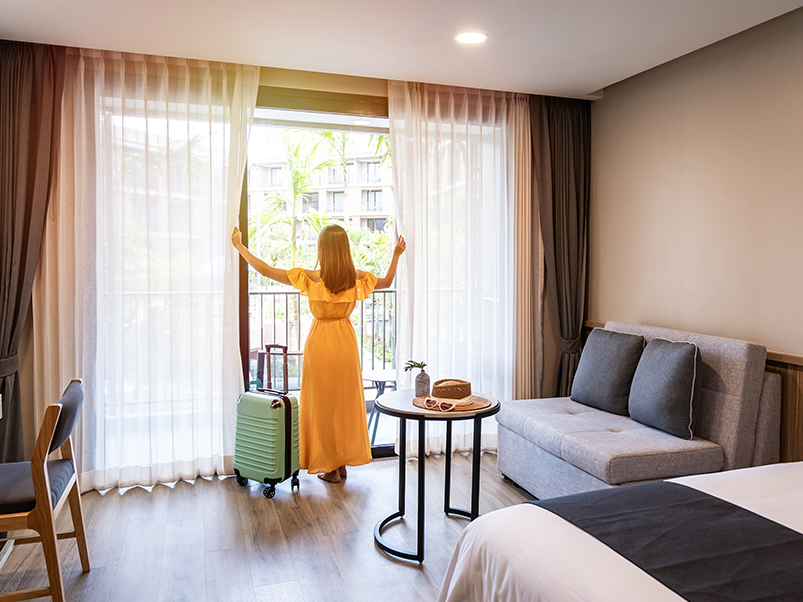
The 1-Bedroom apartment unit is the core of the urban rental economy, highly favored by young professionals, singles, and young couples seeking affordability and location.
In 2026, this segment faces a complex environment of moderating rent growth (due to new construction supply) combined with high tenant expectations. We examine the key trends impacting pricing, must-have amenities, and how digital services are redefining the single-occupancy rental experience.
6 Essential Trends Shaping the 1-Bedroom Apartment Market
Moderating Rent Growth Driven by Oversupply: After the post-pandemic surge, rent growth is stabilizing and even slightly declining in many major markets due to a significant wave of new multifamily construction reaching completion. This increased supply, particularly at the luxury price point, is shifting the balance, forcing landlords to offer concessions (free months, reduced deposits) to fill vacancies.
The Rise of the "Rent-As-A-Service" Model: Property managers are moving beyond basic rent collection by offering all-inclusive models, particularly for 1-BHK (Bedroom, Hall, Kitchen) units aimed at young professionals. This includes fully furnished units, all utilities/Wi-Fi in one bill, and hassle-free, responsive maintenance—a focus on convenience and transparency to boost tenant retention.
Mandatory Work-From-Home (WFH) Amenities: Due to the hybrid work trend, the most desired amenities in 1-bedroom apartments are now focused on utility and productivity within the unit itself. These include high-speed, dedicated fiber optic internet, dedicated in-unit laundry (washer/dryer), and private balcony/outdoor space that acts as a mental retreat from the compact living area.
Luxury Amenities Prioritize Community and Wellness: To differentiate high-end buildings, community amenities focus on lifestyle, including coworking lounges with private Zoom booths, state-of-the-art fitness centers (eliminating the need for a gym membership), secure package lockers, and EV charging stations for future-proofing.
Location Premium for Transit and Walkability: While overall rent growth moderates, the premium for 1-bedroom units located near transit hubs (Metro/Subway) and highly walkable commercial centers remains robust. Young professionals are often prioritizing shorter commutes/better access to urban life over marginally larger square footage in less-connected, suburban areas.
Digital Operations and AI Integration: Leasing is becoming centralized and automated. Prospective renters expect virtual tours and digital applications. Property management companies are adopting AI tools at scale for resident retention (tracking satisfaction, managing maintenance requests) and utilizing smart home features (keyless entry, smart thermostats) as a baseline expectation.
Summary: The 1-Bedroom rental market is balancing new supply with high demand for WFH-ready amenities and seamless digital services. Success hinges on convenience, community-focused luxury, and connectivity that justifies the urban premium.