6 Key Natural Ways to Reduce Inflammation Inflammation is a natural biological process that helps the body protect itself and....
6 Key Natural Ways to Reduce Inflammation
Inflammation is a natural biological process that helps the body protect itself and heal. However, when inflammation becomes chronic or excessive, it can be a concern for overall well-being. While persistent inflammatory conditions should always be discussed with a healthcare professional, there are several natural approaches that can support the body's healthy response to inflammation. Focusing on lifestyle and dietary adjustments can be a proactive step towards promoting balance within the body. This article explores six key natural strategies that may help manage inflammation.
1. Embrace an Anti-Inflammatory Diet
The foods we consume play a significant role in influencing the body's inflammatory pathways. An eating pattern focused on anti-inflammatory principles emphasizes whole, unprocessed foods that are rich in antioxidants and essential fatty acids. Prioritizing certain food groups can help support a balanced inflammatory response.
Focus on Whole Foods
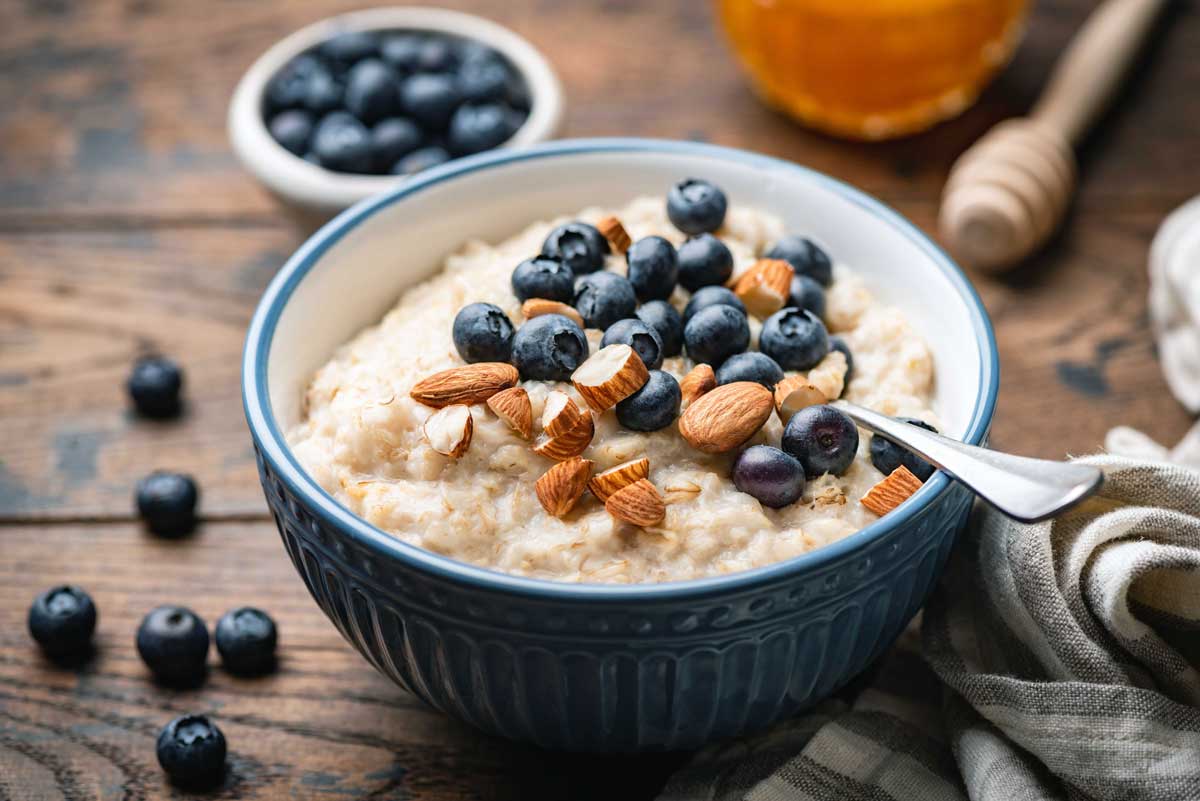
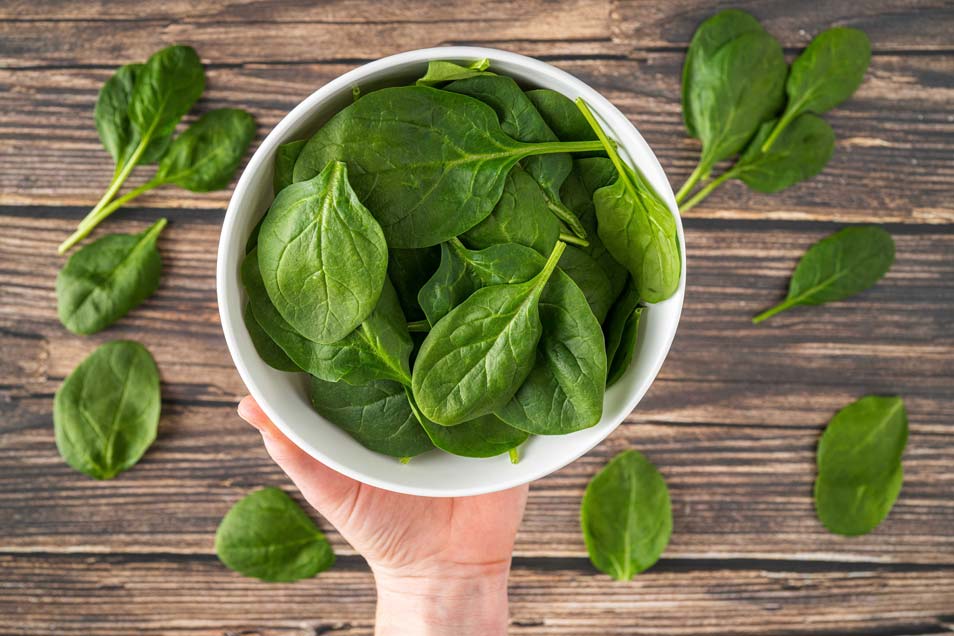
Incorporate plenty of fruits and vegetables, especially colorful varieties like berries, leafy greens (spinach, kale), and broccoli. These are packed with vitamins, minerals, and phytonutrients known to help neutralize free radicals and support cellular health.
Choose Healthy Fats
Omega-3 fatty acids are particularly beneficial. Good sources include fatty fish (salmon, mackerel, sardines), flaxseeds, chia seeds, and walnuts. These fats are precursors to molecules that can help regulate inflammation. Limiting trans fats and excessive saturated fats, often found in processed foods and some red meats, is also important.
2. Engage in Regular Physical Activity
Consistent movement is not only good for cardiovascular health and mood but can also positively influence inflammatory markers in the body. Moderate intensity exercise can promote a healthy inflammatory response.
Benefits of Moderate Exercise
Regular physical activity, such as brisk walking, swimming, cycling, or yoga, can help reduce the levels of pro-inflammatory substances. It also contributes to maintaining a healthy weight, which is another factor in managing inflammation.
Consistency is Key
Aim for at least 150 minutes of moderate-intensity aerobic activity per week, along with muscle-strengthening activities on two or more days. It is important to find an exercise routine that is sustainable and enjoyable.
3. Prioritize Quality Sleep
Sleep is a fundamental pillar of health, and its impact on the immune system and inflammatory processes is well-documented. Insufficient or poor-quality sleep can disrupt the body's natural rhythms and potentially elevate inflammatory markers.
Impact on the Body
During sleep, the body undertakes vital repair and restoration processes. Chronic sleep deprivation can lead to increased levels of inflammatory cytokines, which are signaling molecules that promote inflammation. Aiming for 7-9 hours of quality sleep per night is generally recommended for adults.
Establishing a Sleep Routine
Creating a consistent sleep schedule, ensuring a dark, quiet, and cool sleep environment, and avoiding caffeine or heavy meals close to bedtime can all contribute to better sleep quality.
4. Practice Effective Stress Management
Chronic psychological stress can trigger a sustained inflammatory response in the body. Learning to manage stress effectively is a crucial component of supporting overall health and potentially reducing inflammation.
Stress and Inflammation Link
When the body experiences stress, it releases hormones like cortisol. While acute stress responses are normal and necessary, prolonged high levels of these hormones can contribute to a state of chronic low-grade inflammation. Finding healthy ways to cope with daily stressors is important for long-term well-being.
Techniques for Stress Reduction
Methods such as mindfulness meditation, deep breathing exercises, yoga, spending time in nature, or engaging in relaxing hobbies can help calm the nervous system and potentially mitigate stress-induced inflammatory responses.