Foods That May Naturally Help Manage Triglyceride Levels Triglycerides are a type of fat found in your blood. While essential....
Foods That May Naturally Help Manage Triglyceride Levels
Triglycerides are a type of fat found in your blood. While essential for energy, consistently high levels can be a concern for overall cardiovascular health. Lifestyle factors, particularly dietary choices, play a significant role in managing triglyceride levels. Incorporating certain foods rich in specific nutrients can be a beneficial part of a balanced approach. This article highlights six key food categories that are often associated with supporting healthy triglyceride levels naturally.
1. Omega-3 Rich Fatty Fish
Fatty fish are perhaps best known for their high content of omega-3 fatty acids, specifically eicosapentaenoic acid (EPA) and docosahexaenoic acid (DHA). These essential fats are widely recognized for their potential role in supporting heart health, including their association with lower triglyceride levels. Regular consumption of fish like salmon, mackerel, sardines, and trout can provide a significant dietary source of these beneficial omega-3s. Aiming for two servings per week can be a simple and effective strategy.
2. Fiber-Packed Whole Grains
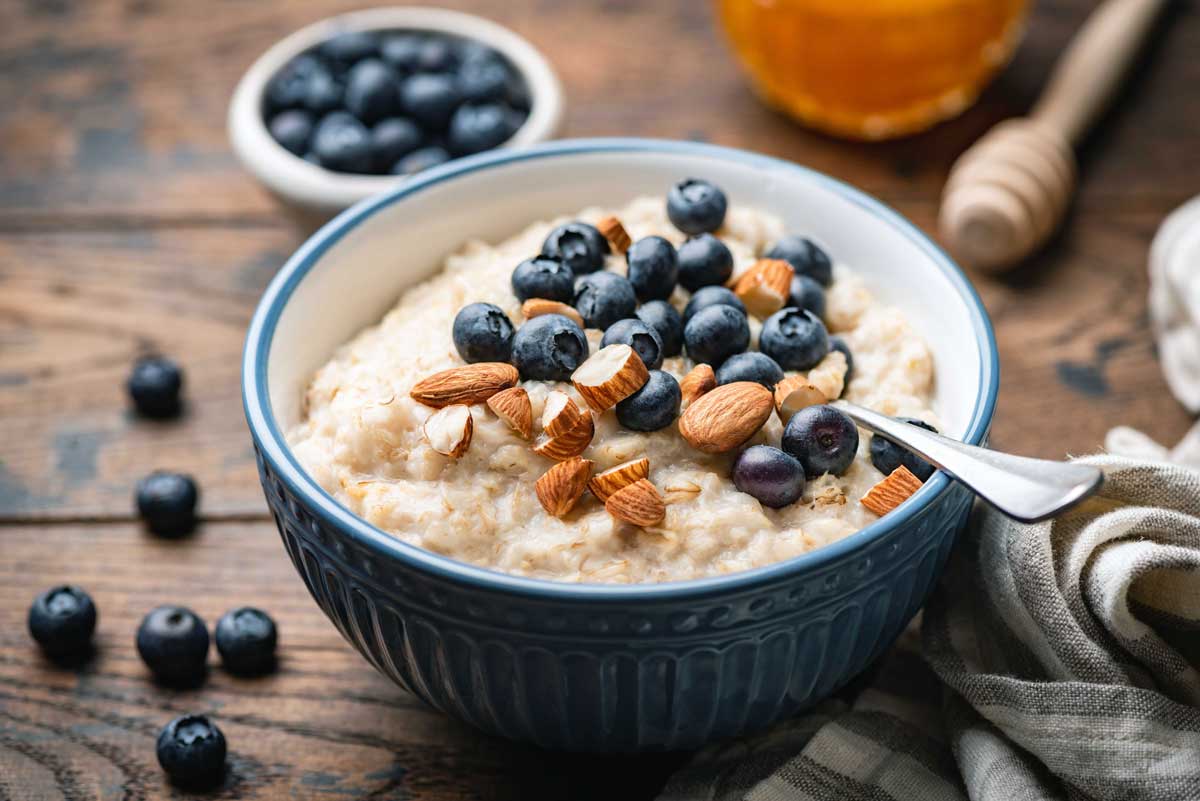
Dietary fiber, particularly soluble fiber, is a powerful ally in a diet aimed at maintaining healthy triglyceride levels. Whole grains such as oats, barley, quinoa, and brown rice are excellent sources of this fiber. Soluble fiber can help reduce the absorption of cholesterol and fats in the digestive system, contributing to better overall lipid profiles. Additionally, the complex carbohydrates in whole grains promote satiety and can help manage blood sugar levels, which indirectly supports triglyceride management.
3. Nutrient-Dense Nuts and Seeds
Many nuts and seeds offer a beneficial blend of healthy fats, fiber, and plant sterols that can positively influence triglyceride levels. Walnuts, for instance, are rich in alpha-linolenic acid (ALA), another type of omega-3 fatty acid. Chia seeds and flaxseeds are also notable for their ALA content and high fiber. Almonds and pistachios provide monounsaturated and polyunsaturated fats. These healthy fats can help reduce "bad" cholesterol and potentially contribute to lower triglyceride concentrations when consumed in moderation as part of a balanced diet.
4. Colorful Fruits and Vegetables
A diet abundant in fruits and vegetables is foundational for overall health, and this extends to triglyceride management. Many fruits, especially berries (like strawberries, blueberries, and raspberries), are rich in antioxidants and fiber. Vegetables, particularly leafy greens and cruciferous varieties, provide vitamins, minerals, and soluble fiber. The fiber content helps slow sugar absorption, while antioxidants combat oxidative stress. Choosing a wide variety of colorful produce ensures a broad spectrum of beneficial compounds.
5. Healthy Plant-Based Oils
Swapping unhealthy fats for healthy plant-based oils can be a significant step in supporting healthy triglyceride levels. Olive oil, particularly extra virgin olive oil, is celebrated for its high content of monounsaturated fatty acids (MUFAs) and antioxidants. Avocado oil is another excellent source of MUFAs. These fats are known to be heart-healthy and can help improve lipid profiles. It's important to use these oils in moderation as part of a balanced culinary approach.
6. Lean Plant Proteins and Legumes
Incorporating lean protein sources, especially plant-based options, can support triglyceride management by promoting satiety and reducing reliance on less healthy food choices. Legumes such as lentils, chickpeas, and beans are particularly beneficial as they are rich in fiber, plant protein, and various micronutrients. Substituting red meat with plant-based proteins a few times a week can contribute to a diet that supports healthy blood fat levels and overall metabolic well-being.
Summary
Managing triglyceride levels naturally involves making thoughtful dietary choices. By prioritizing omega-3 rich fatty fish, fiber-packed whole grains, a variety of nuts and seeds, colorful fruits and vegetables, healthy plant-based oils, and lean plant proteins like legumes, individuals can build a diet that supports cardiovascular health. It is important to remember that these foods are part of a broader healthy lifestyle, and consulting with a healthcare professional or a registered dietitian for personalized advice is always recommended.