6 Key Food Groups for Blood Sugar Management Maintaining stable blood sugar levels is a vital component of overall health,....
6 Key Food Groups for Blood Sugar Management
Maintaining stable blood sugar levels is a vital component of overall health, especially for individuals managing conditions like diabetes or pre-diabetes. While many factors influence blood glucose, dietary choices play a significant role. Incorporating specific food groups known for their beneficial impact can help support more consistent blood sugar management.
This article explores six key food categories that can contribute positively to blood sugar regulation, offering insights into their nutritional benefits and how they work within the body.
1. Non-Starchy Vegetables
Non-starchy vegetables are powerhouses of nutrition, offering high fiber content, essential vitamins, and minerals, with minimal impact on blood sugar. Examples include leafy greens like spinach and kale, broccoli, cauliflower, bell peppers, zucchini, and cucumbers. Their low carbohydrate and calorie count, combined with high fiber, means they can be consumed in larger quantities, promoting fullness without causing significant blood sugar spikes. The fiber also aids in slowing down the absorption of sugars from other foods, contributing to more stable glucose levels.
2. Whole Grains
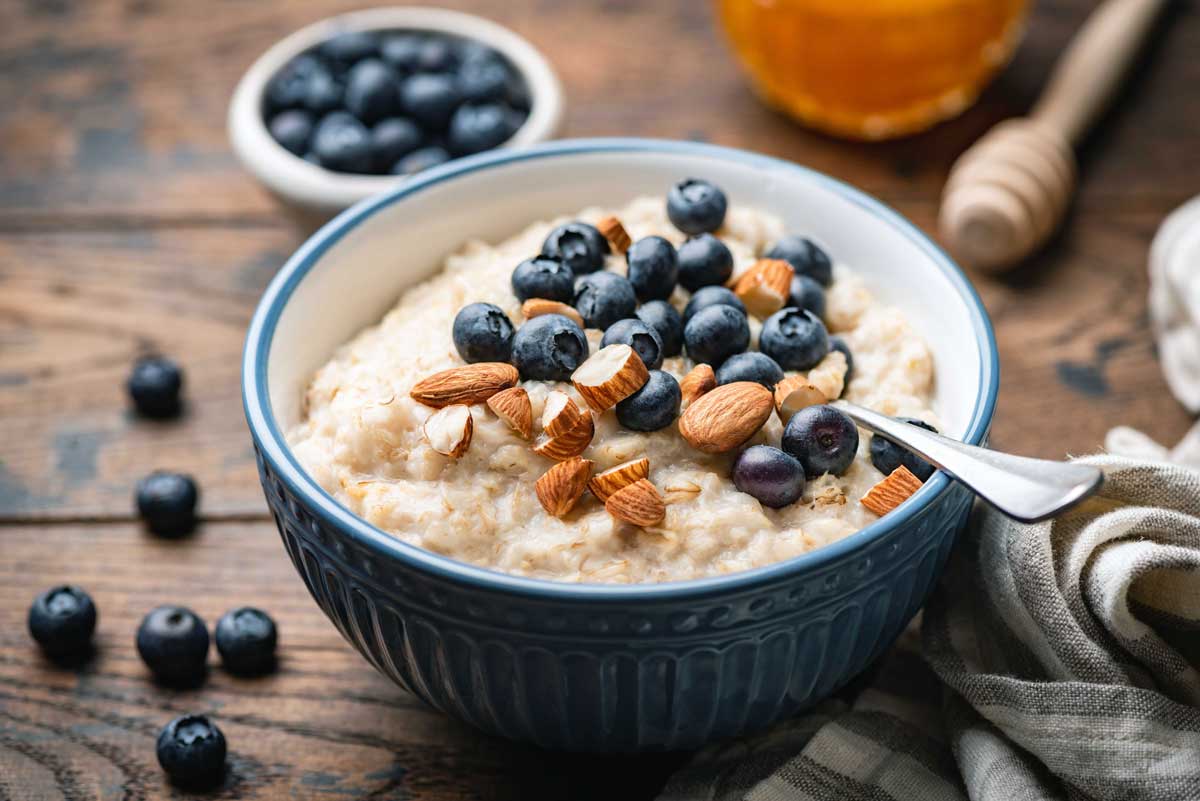
Unlike refined grains, whole grains retain their bran, germ, and endosperm, packing them with fiber, vitamins, and minerals. Foods such as oats, quinoa, brown rice, whole-wheat bread, and barley are excellent choices. The fiber in whole grains helps to slow the digestion and absorption of carbohydrates, leading to a more gradual rise in blood sugar compared to their refined counterparts. Opting for whole grains over white bread, white rice, or sugary cereals can be a beneficial step in managing blood glucose.
3. Lean Proteins
Including lean protein sources in meals can help manage blood sugar by increasing satiety and reducing the rate at which carbohydrates are absorbed. Protein itself has a minimal direct effect on blood sugar levels. Good sources include chicken breast, turkey, fish (like salmon and cod), eggs, tofu, tempeh, and low-fat dairy. Consuming adequate protein can help prevent rapid blood sugar spikes that might occur when carbohydrates are eaten alone, and it also supports muscle maintenance, which is important for glucose utilization.
4. Legumes
Legumes, a diverse group including lentils, chickpeas, black beans, kidney beans, and pinto beans, are exceptionally beneficial for blood sugar control. They are rich in both soluble and insoluble fiber, as well as plant-based protein. This combination helps to slow digestion, promote feelings of fullness, and stabilize blood glucose responses. Their complex carbohydrate structure means they are digested slowly, providing a steady release of energy without causing abrupt blood sugar fluctuations.
5. Healthy Fats
While fats do not directly affect blood sugar, certain healthy fats can play a supportive role in glucose management. They can slow down digestion, which helps to mitigate blood sugar spikes after meals. Healthy fats also contribute to satiety, helping to reduce overall calorie intake. Sources include avocados, nuts (almonds, walnuts), seeds (chia, flax, pumpkin), and olive oil. Incorporating these fats in moderation can improve insulin sensitivity and support cardiovascular health, which is often linked with blood sugar regulation.
6. Berries
Among fruits, berries stand out for their potential benefits in blood sugar control. Blueberries, strawberries, raspberries, and blackberries are packed with fiber, antioxidants, and a relatively lower sugar content compared to many other fruits. The fiber helps to slow sugar absorption, while antioxidants may help reduce inflammation and improve insulin sensitivity. Enjoying a handful of berries can satisfy a sweet craving without significantly impacting blood glucose levels, making them a smart choice for those monitoring their sugar intake.
Summary
A diet rich in nutrient-dense foods is foundational for effective blood sugar management. By consistently incorporating non-starchy vegetables, whole grains, lean proteins, legumes, healthy fats, and berries into your meals, you can support more stable blood glucose levels and promote overall well-being. These food groups work synergistically through their fiber content, protein, healthy fats, and complex carbohydrates to influence digestion, absorption, and insulin response. Always remember that individual dietary needs can vary, and it is beneficial to consult with a healthcare professional or registered dietitian for personalized dietary guidance.