6 Essential Healthy Diet Tips for Adults Adopting a healthy diet is a cornerstone of overall well-being for adults, contributing....
6 Essential Healthy Diet Tips for Adults
Adopting a healthy diet is a cornerstone of overall well-being for adults, contributing to sustained energy levels, cognitive function, and maintaining a healthy weight. With numerous dietary approaches available, it can be challenging to navigate what truly constitutes a balanced and nourishing eating plan. This guide outlines six essential healthy diet tips for adults, focusing on practical, sustainable strategies that align with general nutritional recommendations.
1. Focus on Whole, Unprocessed Foods
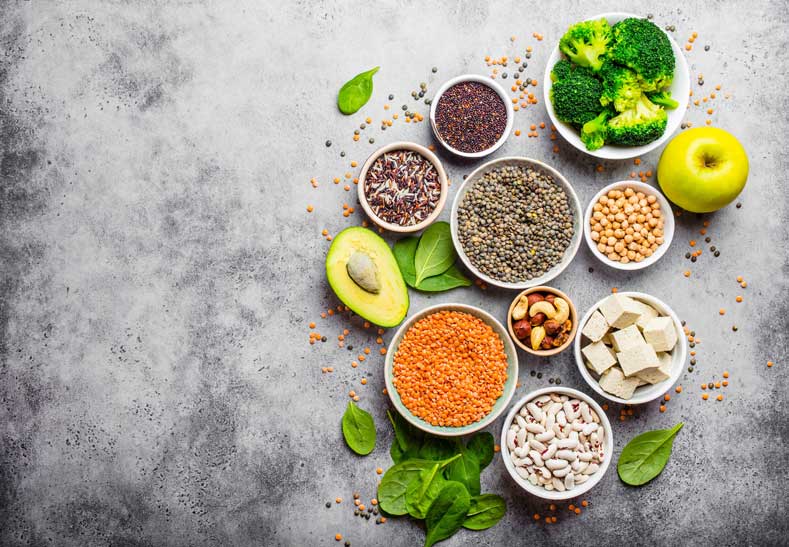
The foundation of a healthy diet lies in consuming whole, unprocessed foods. These include fruits, vegetables, whole grains, legumes, nuts, and seeds. Such foods retain their natural nutrients, fiber, and beneficial compounds that are often stripped away during processing. Prioritizing whole foods helps to reduce intake of added sugars, unhealthy fats, and excessive sodium, which are commonly found in highly processed items. Aim to fill at least half of your plate with a variety of colorful fruits and vegetables at each meal to maximize nutrient intake.
2. Prioritize Lean Protein and Fiber
Protein is vital for muscle repair, immune function, and satiety. Lean sources of protein include poultry, fish, eggs, beans, lentils, tofu, and low-fat dairy products. Incorporating a good source of protein into each meal can help manage hunger and support metabolic health. Fiber, found abundantly in fruits, vegetables, whole grains, and legumes, is crucial for digestive health, blood sugar regulation, and may contribute to a feeling of fullness. Adults should aim for sufficient daily fiber intake to support these bodily functions.
3. Stay Adequately Hydrated
Water is essential for virtually every bodily function, including nutrient transport, temperature regulation, and joint lubrication. While individual hydration needs vary, a general guideline is to consume plenty of water throughout the day. Beverages like plain water, unsweetened tea, and sparkling water are excellent choices. Limiting sugary drinks, such as sodas and sweetened juices, is beneficial as they contribute empty calories and can lead to sugar spikes. Proper hydration can also help prevent fatigue and support concentration.
4. Practice Mindful Eating and Portion Control
Mindful eating involves paying attention to your body's hunger and fullness cues, savoring your food, and eating without distraction. This practice can help prevent overeating and improve digestion. Coupled with mindfulness, practicing portion control is key. Understanding appropriate serving sizes for different food groups can help ensure you consume adequate nutrients without excessive calories. Using smaller plates, reading nutrition labels, and listening to your body can be effective strategies for managing portions.
5. Limit Added Sugars, Unhealthy Fats, and Sodium
Excessive intake of added sugars can contribute to various health concerns. These sugars are often hidden in processed foods, beverages, and desserts. Similarly, unhealthy fats, particularly trans fats and excessive saturated fats, found in fried foods, baked goods, and some processed meats, should be consumed sparingly. High sodium intake can also affect blood pressure. Reading food labels to identify and reduce foods high in added sugars, unhealthy fats, and sodium is a practical step towards a healthier diet.
6. Plan Meals and Prepare Food at Home
Planning your meals in advance and preparing food at home gives you greater control over ingredients and cooking methods. This approach allows for the incorporation of fresh, whole ingredients and helps you avoid the higher sodium, unhealthy fats, and larger portion sizes often found in restaurant or convenience foods. Meal prepping can save time and money while supporting consistent healthy eating habits. Even simple home-cooked meals can significantly enhance dietary quality.
Summary
Adopting healthy diet tips for adults involves a holistic approach focused on nourishing the body with nutrient-dense foods. By prioritizing whole, unprocessed foods, incorporating lean protein and fiber, staying hydrated, and practicing mindful eating with portion control, adults can build a strong foundation for their nutritional health. Limiting added sugars, unhealthy fats, and sodium, coupled with planning and preparing meals at home, further empowers individuals to make informed choices. These six essential tips provide a practical framework for sustainable dietary habits that support overall well-being.