Essential Digestive Health Tips for Adults Maintaining optimal digestive health is fundamental to overall well-being, especially as we navigate adulthood.....
Essential Digestive Health Tips for Adults
Maintaining optimal digestive health is fundamental to overall well-being, especially as we navigate adulthood. A healthy digestive system efficiently processes nutrients, eliminates waste, and plays a crucial role in immune function. When digestion falters, it can lead to discomfort, impact energy levels, and affect various bodily systems. Fortunately, many simple yet effective strategies can support your digestive system. These practical digestive health tips for adults focus on sustainable lifestyle and dietary adjustments that can make a significant difference.
1. Prioritize a Fiber-Rich Diet
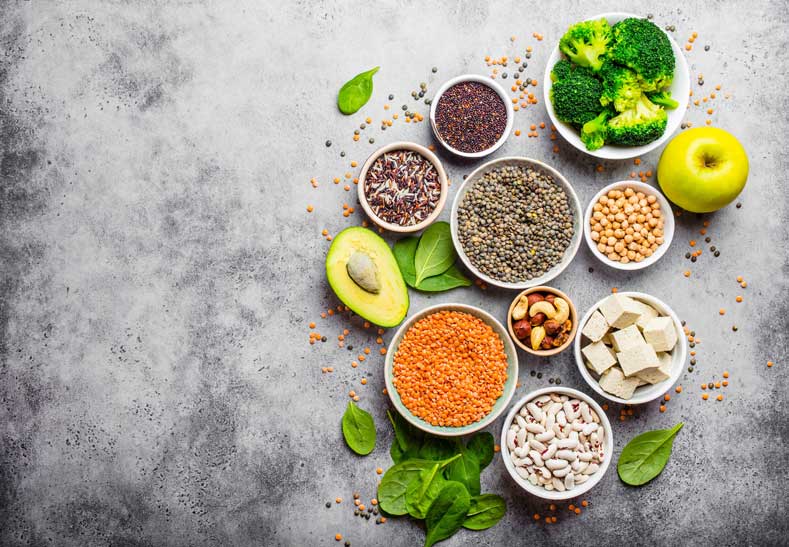
Dietary fiber is a cornerstone of good digestive health. It comes in two main forms: soluble and insoluble. Soluble fiber, found in foods like oats, beans, apples, and citrus fruits, absorbs water and forms a gel-like substance, helping to soften stool and promote regular bowel movements. Insoluble fiber, present in whole grains, vegetables, and wheat bran, adds bulk to stool, facilitating its passage through the digestive tract. Including a variety of fiber-rich foods daily can prevent constipation, support a healthy gut microbiome, and help regulate blood sugar levels. Adults should aim for 25-30 grams of fiber per day, gradually increasing intake to avoid discomfort.
2. Stay Adequately Hydrated
Water is indispensable for healthy digestion. It helps break down food, allowing nutrients to be absorbed effectively, and keeps the digestive tract running smoothly. Adequate hydration also helps soften stool, preventing constipation and making bowel movements easier. Without enough water, your body can pull fluid from stool, leading to harder, more difficult-to-pass waste. Aim to drink plenty of water throughout the day, typically around eight 8-ounce glasses, though individual needs may vary based on activity level, climate, and other factors. Herbal teas and water-rich fruits and vegetables also contribute to your daily fluid intake.
3. Embrace Mindful Eating Habits
How you eat is almost as important as what you eat for digestive health. Mindful eating involves paying attention to your food and the eating experience. This means eating slowly, chewing your food thoroughly, and listening to your body's hunger and fullness cues. Rapid eating can lead to swallowing excess air, causing bloating and gas, and may hinder proper digestion by not allowing enzymes enough time to act. Taking the time to eat without distractions helps your digestive system prepare for and process food more efficiently, contributing to better nutrient absorption and reduced digestive discomfort.
4. Manage Stress Effectively
The gut-brain axis is a complex communication network linking your central nervous system with your enteric nervous system, which governs gut function. Stress can significantly impact this connection, leading to a range of digestive issues such as indigestion, stomach cramps, bloating, and changes in bowel habits. Chronic stress can alter gut microbiota, increase gut permeability, and disrupt normal digestive processes. Incorporating stress-reducing practices into your daily routine, such as meditation, yoga, deep breathing exercises, spending time in nature, or engaging in hobbies, can help soothe the digestive system and promote overall gut comfort.
5. Incorporate Regular Physical Activity
Regular physical activity is beneficial for nearly every system in the body, including the digestive system. Exercise helps to stimulate the muscles of the intestines, promoting the natural contractions (peristalsis) that move food through the digestive tract. This can help prevent constipation and reduce gas and bloating. Even moderate activity, such as a daily brisk walk, can improve blood flow to digestive organs and contribute to a healthier gut. Aim for at least 30 minutes of moderate-intensity exercise most days of the week to support consistent digestive function and overall vitality.
6. Consider Probiotic-Rich Foods
Your gut is home to trillions of microorganisms, collectively known as the gut microbiome, which play a vital role in digestion, nutrient absorption, and immune function. Probiotics are live beneficial bacteria and yeasts that can support a healthy balance within this microbiome. Including probiotic-rich foods in your diet, such as yogurt with live active cultures, kefir, sauerkraut, kimchi, and other fermented foods, can help introduce beneficial bacteria to your gut. This can aid in maintaining a diverse and robust gut flora, potentially contributing to improved digestion and reduced instances of digestive upset. It's important to choose products that clearly state "live active cultures" on their labels.
Summary
Adopting these six digestive health tips for adults can significantly enhance your gut well-being and contribute to a healthier, more comfortable daily life. By prioritizing a fiber-rich diet, staying adequately hydrated, practicing mindful eating, managing stress, engaging in regular physical activity, and incorporating probiotic-rich foods, you can foster a robust and efficient digestive system. These strategies work synergistically to support gut flora balance, promote regularity, and optimize nutrient absorption, empowering your body to function at its best.