The market for 2-bedroom senior housing—encompassing everything from independent living apartments to single-story cottages—is exploding as the Baby Boomer generation (the oldest turning 80 in 2026) demands more space, technology, and flexibility.
These units are highly desired because they accommodate a spouse, a live-in caregiver, or provide a dedicated space for hobbies and visiting family. We explore the latest trends in design, amenities, and community integration defining this rapidly growing sector.
6 Essential Trends Shaping 2-Bedroom Senior Housing
Demand Outpacing Supply (Occupancy at All-Time Highs): Demand for senior housing, particularly larger units like two-bedrooms, is at an all-time high, driven by the aging Boomer population. Inventory growth has struggled to keep pace with absorption, pushing occupancy rates in independent living communities close to historic highs and creating significant pressure for new development.
The New Primary Function: Guest & Hobby Space: The second bedroom is no longer just "extra" space. It is intentionally used as a guest room for visiting family/grandchildren, a dedicated home office (as many seniors remain partially employed), or a hobby room (e.g., arts, crafts, reading), allowing the primary living space to remain clutter-free.
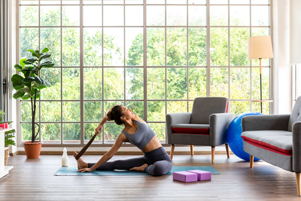
Wellness is the New Luxury Amenity: Communities are shifting from reactive care to proactive, holistic wellness. This means on-site amenities are essential: yoga and mindfulness studios, multi-purpose fitness centers (often including swimming pools or hydrotherapy), nutrition coaching, and extensive outdoor areas for walking, gardening, and pet exercise.
Smart Home Technology as a Safety Baseline: Technology is integrated to enhance safety without sacrificing independence. The 2-bedroom unit is expected to be "smart," featuring voice-activated controls (for lights, blinds, and thermostats), AI-powered fall detection sensors, and wearable health devices that sync health data with care providers.
Hybrid and Flexible Care Models: The rigid divisions between "Independent Living" and "Assisted Living" are blurring. Seniors now prefer continuum-of-care models where they can rent a 2-bedroom unit and layer in à la carte services (like meal delivery, transportation, or medication management) only as their needs change, providing flexibility and control over costs.
Intergenerational and Mixed-Use Integration: To combat loneliness and isolation, new developments are moving beyond secluded campuses. Many feature intergenerational programs (e.g., mentorship, shared classes with local students) or are built near cafes and commercial centers to seamlessly blend retirement living with the broader community, adding vitality and purpose.
Summary: 2-Bedroom senior housing is in high demand as Boomers seek space for hobbies and family, driving trends toward smart technology integration and flexible, wellness-focused continuum-of-care models. The focus is on preserving independence within a supportive, vibrant community.