Understanding Natural Menopause Relief Remedies Menopause is a natural biological transition in a woman's life, marking the end of menstrual....
Understanding Natural Menopause Relief Remedies
Menopause is a natural biological transition in a woman's life, marking the end of menstrual cycles. While it's a normal process, the accompanying symptoms can range from mild to disruptive, impacting daily life. Many individuals seek natural approaches to help manage these changes. This article explores commonly discussed natural strategies and remedies that may offer support during this phase. It is always important to consult with a healthcare professional before making significant changes to your health regimen, especially when considering new supplements or herbal remedies.
1. Embracing Dietary Adjustments
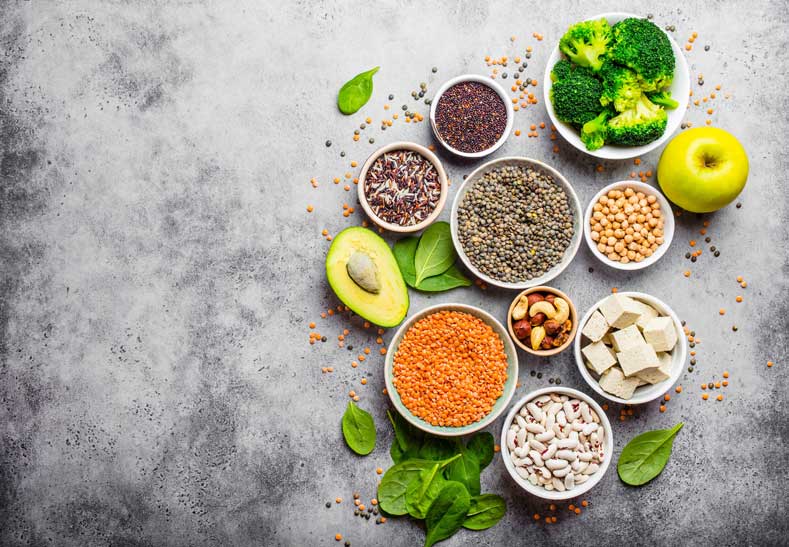
Diet plays a foundational role in overall health, and specific nutritional choices can be particularly supportive during menopause. Incorporating foods rich in phytoestrogens, such as soy products (tofu, tempeh), flaxseeds, and lentils, is a common strategy. Phytoestrogens are plant compounds that can have estrogen-like effects in the body, potentially helping to balance hormonal fluctuations. Additionally, a diet rich in fruits, vegetables, and whole grains provides essential vitamins, minerals, and fiber. Adequate calcium and vitamin D intake is crucial for bone health, as bone density can decrease after menopause. Staying well-hydrated by drinking plenty of water throughout the day can also help manage various symptoms.
2. Exploring Herbal and Botanical Support
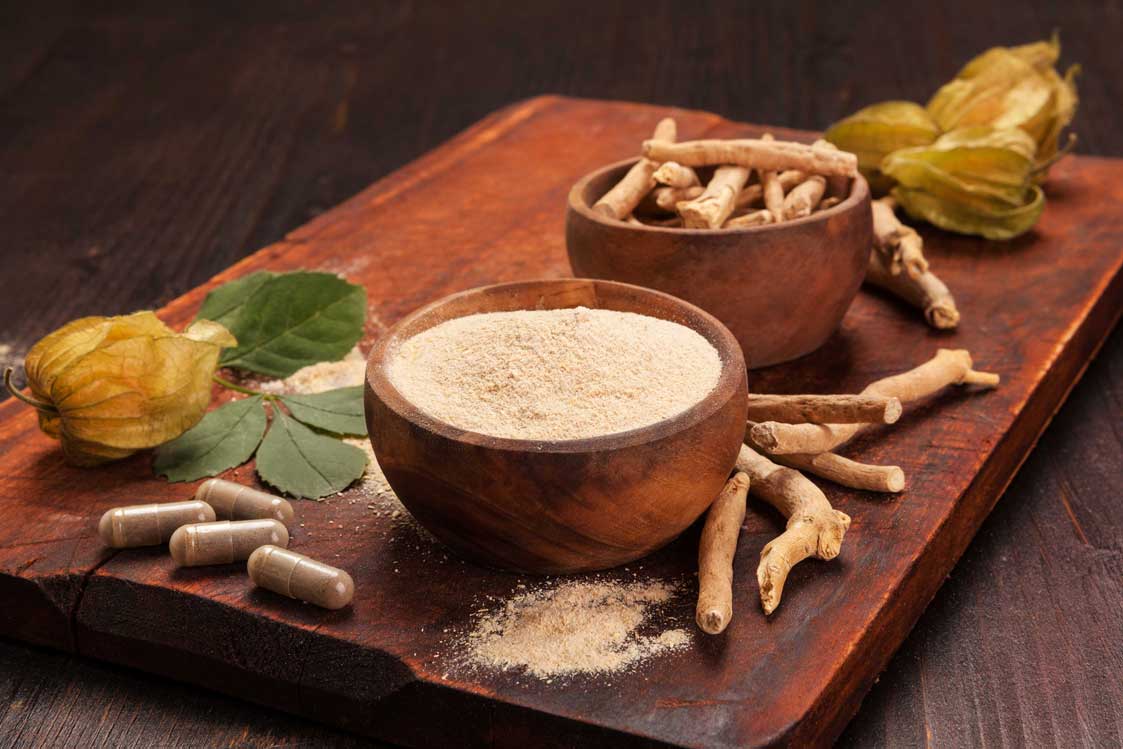
Many herbs and botanicals have traditionally been explored for their potential to alleviate menopausal symptoms. Black cohosh is one of the most widely studied herbs for hot flashes and night sweats. Red clover, another plant-based remedy, contains isoflavones, a type of phytoestrogen, and is also often considered for similar symptoms. Dong Quai is an herb frequently used in traditional Chinese medicine for women's health. Evening primrose oil, rich in gamma-linolenic acid (GLA), is sometimes used for breast tenderness and hot flashes. While these remedies have historical use and some preliminary research, their effectiveness can vary, and interactions with medications are possible. Professional guidance is highly recommended.
3. Prioritizing Regular Physical Activity
Regular exercise offers numerous benefits that can significantly impact menopausal well-being. Engaging in activities like brisk walking, jogging, swimming, or cycling can help manage weight, improve mood, reduce stress, and enhance sleep quality. Weight-bearing exercises, such as strength training, are especially important for maintaining bone density and muscle mass, which tend to decline with age and hormonal changes. Aiming for a combination of cardiovascular exercise and strength training several times a week can contribute to overall physical and mental health during menopause.
4. Implementing Stress Management Techniques
Menopause can be a period of increased stress for some individuals, and stress itself can exacerbate symptoms like hot flashes and mood swings. Incorporating stress-reduction techniques into daily life can be profoundly beneficial. Practices such as mindfulness meditation, deep breathing exercises, yoga, and tai chi can promote relaxation, reduce anxiety, and improve emotional well-being. Spending time in nature, pursuing hobbies, and maintaining social connections are also valuable strategies for managing stress and fostering a sense of calm.
5. Optimizing Sleep Hygiene
Disrupted sleep is a common complaint during menopause, often due to night sweats or anxiety. Establishing good sleep hygiene practices can significantly improve sleep quality. This includes maintaining a consistent sleep schedule, even on weekends, and creating a comfortable, dark, quiet, and cool bedroom environment. Avoiding caffeine and heavy meals close to bedtime, and limiting screen time before sleep, can also contribute to more restful nights. If night sweats are a significant issue, consider moisture-wicking sleepwear and breathable bedding.
6. Environmental and Lifestyle Adaptations
Making specific environmental and lifestyle adjustments can directly address some of the more bothersome menopausal symptoms. For hot flashes, identifying and avoiding personal triggers (which might include spicy foods, caffeine, alcohol, or warm environments) can be helpful. Dressing in layers allows for easy removal of clothing when a hot flash occurs. Quitting smoking is strongly recommended, as smoking can worsen hot flashes and may hasten menopause. Reducing alcohol consumption can also have positive effects on overall well-being and symptom management. Maintaining a healthy weight through diet and exercise is another crucial lifestyle factor, as excess weight can sometimes intensify symptoms.
Summary
Navigating menopause involves a range of physiological and emotional changes. While medical interventions are available, many individuals explore natural strategies to help manage symptoms and promote overall well-being. Dietary adjustments, including phytoestrogen-rich foods and adequate calcium/vitamin D, form a nutritional foundation. Herbal and botanical remedies like black cohosh and red clover are often considered, though professional guidance