Understanding Hormone Balance Supplements for Women: 6 Key Considerations For many women, navigating hormonal fluctuations throughout different life stages, from....
Understanding Hormone Balance Supplements for Women: 6 Key Considerations
For many women, navigating hormonal fluctuations throughout different life stages, from menstrual cycles to perimenopause and menopause, can be a complex journey. Interest in hormone balance supplements has grown as individuals seek ways to support their overall well-being. However, approaching these supplements requires careful consideration and a foundational understanding of their role. This article outlines six key points to help women make informed decisions.
1. Recognizing Common Hormonal Changes in Women
Hormonal shifts are a natural part of a woman's life, influenced by various factors including age, lifestyle, and reproductive cycles. These changes can manifest in diverse ways, affecting mood, energy levels, sleep patterns, and overall physical comfort. While these fluctuations are normal, understanding them is the first step towards considering any supportive measures. Supplements are often explored by women seeking to complement their health routine during times of significant hormonal transition.
2. Exploring Common Ingredients in Hormone Balance Supplements
Many supplements marketed for hormone balance contain a variety of ingredients, often including vitamins, minerals, and herbal extracts. Some commonly discussed components include:
Adaptogens:
- Ashwagandha: An herb traditionally used to help the body manage stress.
- Rhodiola Rosea: Another adaptogen believed to support resilience against physical and environmental stressors.
Herbal Extracts:
- Vitex Agnus-Castus (Chasteberry): Often associated with supporting menstrual cycle regularity and comfort.
- Black Cohosh: Historically used for symptoms related to menopause.
- Maca Root: Sometimes used to support energy and overall well-being.
Vitamins and Minerals:
- Magnesium: Important for numerous bodily functions, including nerve and muscle function.
- B Vitamins: Essential for energy metabolism and neurological function.
- Omega-3 Fatty Acids: Known for their anti-inflammatory properties and role in overall cellular health.
It's important to understand that these ingredients are studied for their potential effects on various bodily systems, which may indirectly influence the body's natural processes.
3. The Crucial Role of Lifestyle in Hormone Balance
While supplements may be part of a broader health strategy, they are generally considered complementary to fundamental lifestyle choices. A holistic approach to hormone balance emphasizes:
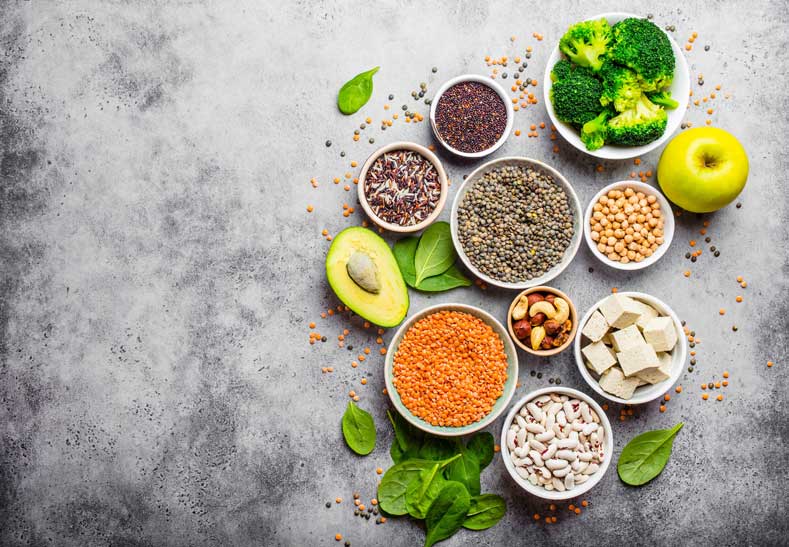
- Balanced Nutrition: Eating a diet rich in whole foods, healthy fats, lean proteins, and fiber.
- Regular Physical Activity: Engaging in consistent exercise tailored to individual needs.
- Stress Management: Practicing techniques such as mindfulness, meditation, or yoga.
- Adequate Sleep: Prioritizing 7-9 hours of quality sleep per night.
These lifestyle pillars form the bedrock of overall health and can significantly impact the body's hormonal environment.
4. Prioritizing Professional Consultation Before Supplementation
Before introducing any new supplement into a health regimen, particularly those related to hormone balance, consulting a qualified healthcare professional is paramount. A doctor or registered dietitian can provide personalized advice based on individual health history, current medications, and specific concerns. They can help identify any underlying issues, recommend appropriate testing, and discuss potential interactions or contraindications. Self-diagnosing or self-treating with supplements is not advised.
5. Understanding Supplement Quality and Sourcing
The quality and purity of supplements can vary significantly between brands. When considering hormone balance supplements, it is advisable to:
- Research Reputable Brands: Look for companies with transparent manufacturing processes and good reputations.
- Check for Third-Party Testing: Independent testing ensures that products contain the stated ingredients and are free from harmful contaminants.
- Read Labels Carefully: Understand the dosage, active ingredients, and any other components.
Ensuring product quality helps maximize potential benefits and minimize risks.
6. Awareness of Potential Interactions and Side Effects
Even natural ingredients found in supplements can have physiological effects and may interact with medications, other supplements, or existing health conditions. For example, some herbs can affect blood clotting, blood pressure, or liver function. Being aware of these possibilities and discussing them with a healthcare provider is essential. Any unexpected reactions or side effects should prompt immediate medical consultation.
Summary
Navigating the landscape of hormone balance supplements for women involves understanding their potential role as part of a comprehensive health strategy. By recognizing natural hormonal changes, exploring common supplement ingredients, and prioritizing foundational lifestyle choices, women can approach this topic with greater insight. Most importantly, professional medical guidance is indispensable before starting any new supplement regime to ensure safety, efficacy, and suitability for individual health needs. Supplements should always be viewed as complementary tools, not replacements for professional medical advice or a healthy lifestyle.