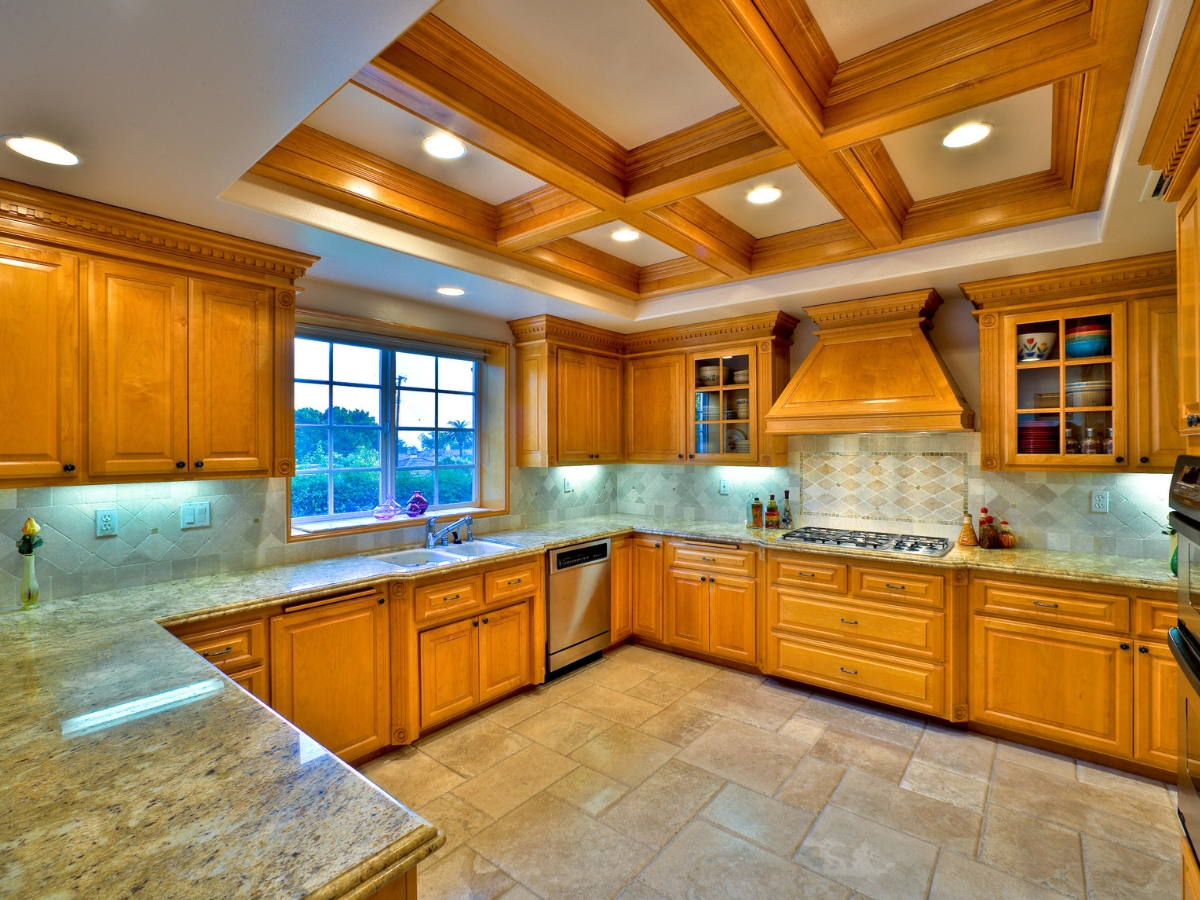
Remodeling a small kitchen presents a unique opportunity to create a highly functional and aesthetically pleasing space, even within limited....
Remodeling a small kitchen presents a unique opportunity to create a highly functional and aesthetically pleasing space, even within limited square footage. With thoughtful planning and clever design choices, a compact kitchen can become the heart of your home, offering efficiency, comfort, and style. This guide explores key strategies to transform your small kitchen into a magnificent culinary area.
Why Consider Small Kitchen Remodels?
Many homeowners with smaller kitchens opt for remodels to address various needs. The primary drivers often include improving workflow and functionality, updating outdated aesthetics, increasing storage capacity, and enhancing the overall value of their home. A well-designed small kitchen can feel more spacious and significantly improve the daily experience of cooking and entertaining.
Key Considerations Before You Begin
Assessing Your Needs and Space
Before any demolition begins, it is crucial to thoroughly assess your current kitchen and identify its shortcomings. Consider your lifestyle, cooking habits, and how you typically use the space. Do you need more counter space, better storage, or a more efficient layout? Accurate measurements of your kitchen's dimensions, including walls, windows, and doorways, are essential for effective planning.
Budgeting for Your Renovation
Setting a realistic budget is a foundational step for any small kitchen remodel. Itemize potential costs for design, materials, appliances, and labor. Allocate a contingency fund, typically 10-15% of your total budget, to cover unforeseen expenses. Prioritizing what aspects are most important to you will help guide spending decisions and ensure you get the most value for your investment.
Design Principles for Maximizing Space
Optimizing the Layout
The layout is paramount in a small kitchen. Focus on creating an efficient "work triangle" between the refrigerator, sink, and cooktop. Common layouts for small kitchens include single-wall, galley, or L-shaped designs, each maximizing available space while maintaining clear pathways. Avoid overcrowding and ensure there is adequate room for movement.
Clever Storage Solutions
Storage is often a major challenge in compact kitchens. Utilize every available inch with smart solutions. Consider vertical storage options like floor-to-ceiling cabinets, open shelving, and pot racks. Integrate pull-out pantries, deep drawers with organizers, corner solutions (like lazy susans or magic corners), and toe-kick drawers. Magnetic knife strips and hooks can free up valuable counter and drawer space.
Smart Appliance Choices
Selecting the right appliances can significantly impact a small kitchen's functionality and perceived size. Opt for compact or counter-depth refrigerators, slimline dishwashers, and induction cooktops that offer precise cooking and a sleek look. Multi-functional appliances, such as microwave drawers or convection toaster ovens, can also save valuable space.
Color, Lighting, and Materials
Light colors for walls, cabinets, and countertops can make a small kitchen feel larger and brighter by reflecting light. Incorporate reflective surfaces like polished backsplashes or stainless steel appliances. Ample lighting, including task lighting under cabinets and general ambient lighting, brightens the space and eliminates shadows. Choose durable, easy-to-clean materials that contribute to a cohesive and uncluttered look. Streamlined hardware can also enhance the modern and spacious feel.
The Remodeling Process: Planning and Execution
Finding the Right Professionals
Depending on the scope of your remodel, you may need to hire kitchen designers, contractors, plumbers, and electricians. Research reputable professionals, review their portfolios, and obtain multiple quotes. Clear communication with your team is essential for a smooth project.
Timeline and Project Management
Develop a realistic timeline for your small kitchen remodel. Be prepared for potential disruptions to your daily routine during the construction phase. Staying organized with a detailed plan and regular check-ins with your team will help ensure the project stays on track and within budget.
Remodeling a small kitchen requires careful thought and strategic choices, but the results can be incredibly rewarding. By focusing on smart layouts, efficient storage, appropriate appliances, and thoughtful design elements, your compact kitchen can become a highly functional, beautiful, and inviting space that serves all your culinary needs.