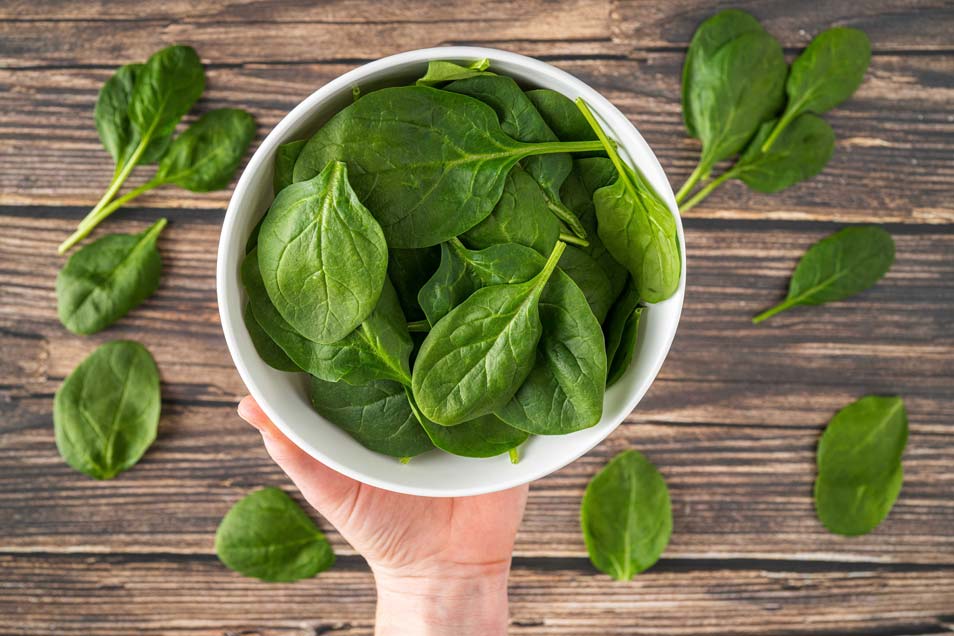
How to Lower Cholesterol Naturally: 6 Key Lifestyle Changes Managing cholesterol levels is an important aspect of maintaining overall cardiovascular....
How to Lower Cholesterol Naturally: 6 Key Lifestyle Changes
Managing cholesterol levels is an important aspect of maintaining overall cardiovascular health. While some factors like genetics can influence cholesterol, many individuals can make significant progress in supporting healthy levels through natural lifestyle and dietary adjustments. This article explores six key, evidence-based strategies that can contribute to naturally lowering cholesterol. It is always recommended to consult with a healthcare professional before making significant changes to your diet or lifestyle, especially if you have existing health conditions or are on medication.
1. Embrace Soluble Fiber
Soluble fiber plays a crucial role in reducing the absorption of cholesterol into your bloodstream. It forms a gel-like substance in the digestive tract that binds with cholesterol and helps remove it from the body before it can be absorbed. Increasing your intake of soluble fiber can lead to a notable reduction in LDL (bad) cholesterol levels.
Foods Rich in Soluble Fiber:
- Oats and oat bran
- Barley and other whole grains
- Apples, pears, and citrus fruits
- Beans, lentils, and peas
- Carrots and broccoli
2. Incorporate Healthy Fats
Not all fats are detrimental to cholesterol levels. In fact, monounsaturated and polyunsaturated fats can help reduce LDL cholesterol while potentially increasing HDL (good) cholesterol. Replacing sources of saturated and trans fats with healthier alternatives is a fundamental step in a cholesterol-lowering diet.
Sources of Healthy Fats:
- Avocados
- Nuts (almonds, walnuts, pecans)
- Seeds (chia seeds, flaxseeds)
- Olive oil, canola oil, and sunflower oil
- Fatty fish like salmon, mackerel, and tuna (rich in Omega-3 fatty acids)
3. Prioritize Plant Sterols and Stanols
Plant sterols and stanols are compounds found naturally in plants that are structurally similar to cholesterol. When consumed, they compete with cholesterol for absorption in the digestive system, thereby reducing the amount of dietary cholesterol that enters the bloodstream. Many foods are now fortified with these beneficial compounds.
Ways to Include Plant Sterols/Stanols:
- Fortified foods such as certain margarines, orange juices, and yogurts
- Naturally occurring in smaller amounts in fruits, vegetables, nuts, seeds, and whole grains
4. Increase Physical Activity
Regular physical activity is a powerful tool for improving cholesterol levels. It can help increase HDL cholesterol, which works to remove excess cholesterol from the arteries, and may also modestly reduce LDL cholesterol and triglycerides. Aim for a combination of aerobic exercise and strength training.
Effective Physical Activities:
- Brisk walking, jogging, or running
- Swimming or cycling
- Dancing
- Weightlifting or bodyweight exercises
- Participating in team sports
Most health guidelines recommend at least 150 minutes of moderate-intensity aerobic exercise or 75 minutes of vigorous-intensity aerobic exercise per week, combined with muscle-strengthening activities on two or more days.
5. Maintain a Healthy Weight
Carrying excess weight, especially around the abdomen, can contribute to higher LDL cholesterol and lower HDL cholesterol. Losing even a modest amount of weight can have a positive impact on cholesterol levels. Combining a balanced diet with regular physical activity is the most effective approach to achieving and maintaining a healthy weight.
Strategies for Healthy Weight Management:
- Focus on portion control
- Choose nutrient-dense foods
- Limit sugary drinks and processed foods
- Stay hydrated
- Incorporate regular physical activity
6. Limit Saturated and Trans Fats
Saturated and trans fats are well-known contributors to elevated LDL (bad) cholesterol levels. Reducing your intake of these fats is one of the most impactful dietary changes you can make to support healthy cholesterol. Saturated fats are typically found in animal products, while trans fats are often present in processed and fried foods.
Foods to Limit or Avoid:
- Fatty cuts of red meat
- Processed meats (sausages, bacon)
- Full-fat dairy products (butter, cream, whole milk)
- Many commercially baked goods and pastries
- Deep-fried foods
- Partially hydrogenated oils (source of trans fats)
Summary
Adopting a lifestyle that prioritizes heart health can significantly contribute to naturally lowering cholesterol levels. By embracing soluble fiber, incorporating healthy fats, utilizing plant sterols and stanols, increasing physical activity, maintaining a healthy weight, and limiting harmful fats, individuals can take proactive steps toward better cardiovascular well-being. Remember that these natural approaches are supportive measures, and consulting a healthcare professional for personalized advice and monitoring is always recommended for effective cholesterol management.