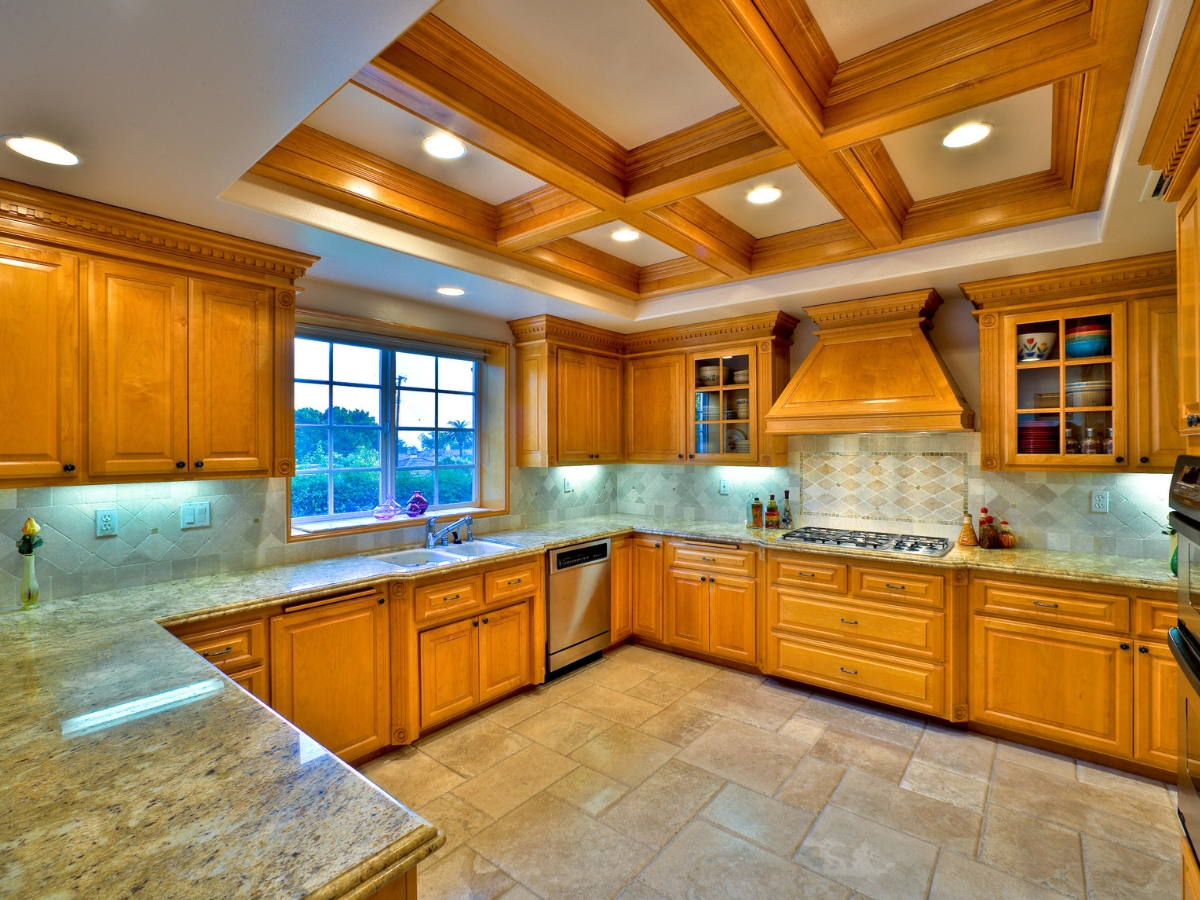
Radiant floor heating systems are a modern, energy-efficient way to heat homes and commercial spaces. By distributing heat evenly from the floor up, these systems provide superior comfort compared to traditional forced-air heating. Rising in popularity and praised for their comfort and energy savings, radiant heated floors are increasingly featured in bathrooms, kitchens, living spaces, and even driveways worldwide—redefining warmth and efficiency.
What Is a Radiant Floor Heating System?
A radiant floor heating system uses either hot water (hydronic) or electric coils installed beneath the floor surface to provide consistent, comfortable warmth. Unlike conventional heaters that warm the air, radiant systems heat objects and people directly, resulting in more even temperatures and reduced energy loss.
Types of Radiant Floor Heating Systems
Hydronic (Water-Based): Pipes circulate heated water beneath the floor, ideal for large spaces and whole-home heating.
Electric: Electric cables or mats are installed under the floor, suitable for smaller areas and renovations.
Air-Heated: Less common, using air circulated through tubes under the floor.
Key Benefits of Radiant Floor Heating
Even Heat Distribution: Eliminates cold spots and drafts for consistent comfort.
Energy Efficiency: Lower operating costs and reduced energy waste compared to forced-air systems.
Improved Air Quality: No air movement means less dust, allergens, and dryness.
Silent Operation: No noisy fans or vents.
Space Saving: No radiators or ductwork required.
Design Flexibility: Compatible with most flooring types, including tile, stone, and engineered wood.
Installation Considerations
Professional Installation: Essential for optimal performance and safety, especially for hydronic systems.
Flooring Compatibility: Most systems work with tile, stone, and engineered wood; some may require specific subfloor preparation.
System Layout: Design should consider room size, insulation, and desired temperature zones.
Costs: Initial installation is higher than conventional systems, but long-term savings offset the investment.
How Radiant Floor Heating Works
Hydronic System: Heated water from a boiler circulates through PEX tubing installed under the floor.
Electric System: Electric cables or mats are embedded in the subfloor and connected to a thermostat.
Controls: Modern systems use programmable thermostats for precise temperature management.
Maintenance and Longevity
Hydronic Systems: Require periodic checks of the boiler and piping; generally low maintenance.
Electric Systems: Minimal upkeep; occasional thermostat and cable checks recommended.
Lifespan: Properly installed systems can last 25+ years, outlasting most conventional heating systems.
Applications and Suitability
Residential Homes: Whole-house heating or targeted rooms (bathrooms, kitchens).
Commercial Spaces: Offices, retail stores, and hospitality venues.
Renovations: Easy to retrofit in existing buildings.
Conclusion
Radiant floor heating systems offer efficient, comfortable, and quiet warmth for homes and commercial spaces. With options for both water-based and electric systems, and leading providers like WarmlyYours and Uponor, radiant heating is a smart investment for improved comfort and energy savings. By understanding the types, benefits, and installation requirements, homeowners and businesses can choose the best system for their needs and enjoy lasting comfort.
Leading Companies in Radiant Floor Heating
Warmboard: Known for high-efficiency systems, combining rapid response with energy savings.
WarmlyYours: Specializes in customizable electric heating mats and cables.
Uponor: Leading provider of hydronic PEX tubing for residential and commercial installation.
Schluter Systems: Renowned for integration solutions and waterproofing, enhancing radiant heating durability.
Other respected names include Nuheat, Thermosoft, and SunTouch, each offering different products for unique building needs.