How Ancient Ayurveda Supports a Healthy Lifestyle: A Holistic Approach Ancient Ayurveda, an enduring system of traditional wisdom originating from....
How Ancient Ayurveda Supports a Healthy Lifestyle: A Holistic Approach
Ancient Ayurveda, an enduring system of traditional wisdom originating from India, offers a comprehensive framework for cultivating and maintaining a healthy lifestyle. Far from being merely a system of medicine, Ayurveda is a "science of life" that emphasizes prevention and promoting well-being through balance. Its principles are rooted in understanding the unique constitution of each individual and aligning daily life with natural rhythms. By integrating these timeless practices, individuals can foster vitality, resilience, and overall harmony.
6 Key Principles: How Ancient Ayurveda Supports a Healthy Lifestyle
1. Understanding Your Unique Constitution (Dosha)
At the core of Ayurvedic wisdom is the concept of "Dosha," three fundamental energies—Vata, Pitta, and Kapha—that govern all physical and mental processes. Each individual is believed to have a unique blend of these Doshas, determining their inherent constitution (Prakriti). Ayurveda suggests that understanding one's dominant Dosha allows for personalized lifestyle choices, including diet, exercise, and daily routines, to maintain balance. When Doshas are in equilibrium, health thrives; imbalances are seen as precursors to discomfort or illness. This personalized approach is fundamental to Ayurvedic support for a healthy life.
2. Personalized Dietary Wisdom (Ahara)
Ayurveda views food as medicine and a primary tool for maintaining health and balance. It emphasizes a personalized approach to diet, considering an individual's Dosha, the season, and their digestive strength (Agni). Ayurvedic dietary principles encourage consuming fresh, whole, seasonal, and locally sourced foods that are appropriate for one's constitution. Emphasis is placed on mindful eating, proper food combining, and recognizing the six tastes (sweet, sour, salty, pungent, bitter, astringent) in each meal to promote optimal digestion and nutrient absorption. This mindful approach to nutrition directly supports physical well-being.
3. Daily Rhythms and Routines (Dinacharya)
Ayurveda places significant importance on aligning daily activities with the natural cycles of the sun and moon, a practice known as "Dinacharya." Establishing consistent daily routines, such as waking early with the sun, practicing self-care rituals, eating meals at regular times, and going to bed before 10 PM, is believed to harmonize the body's internal clock (circadian rhythm). These consistent routines are thought to reduce stress, improve digestion, enhance mental clarity, and promote sound sleep, all of which are vital components of a healthy lifestyle according to Ayurvedic principles.
4. The Power of Herbal Support (Dravya Guna)
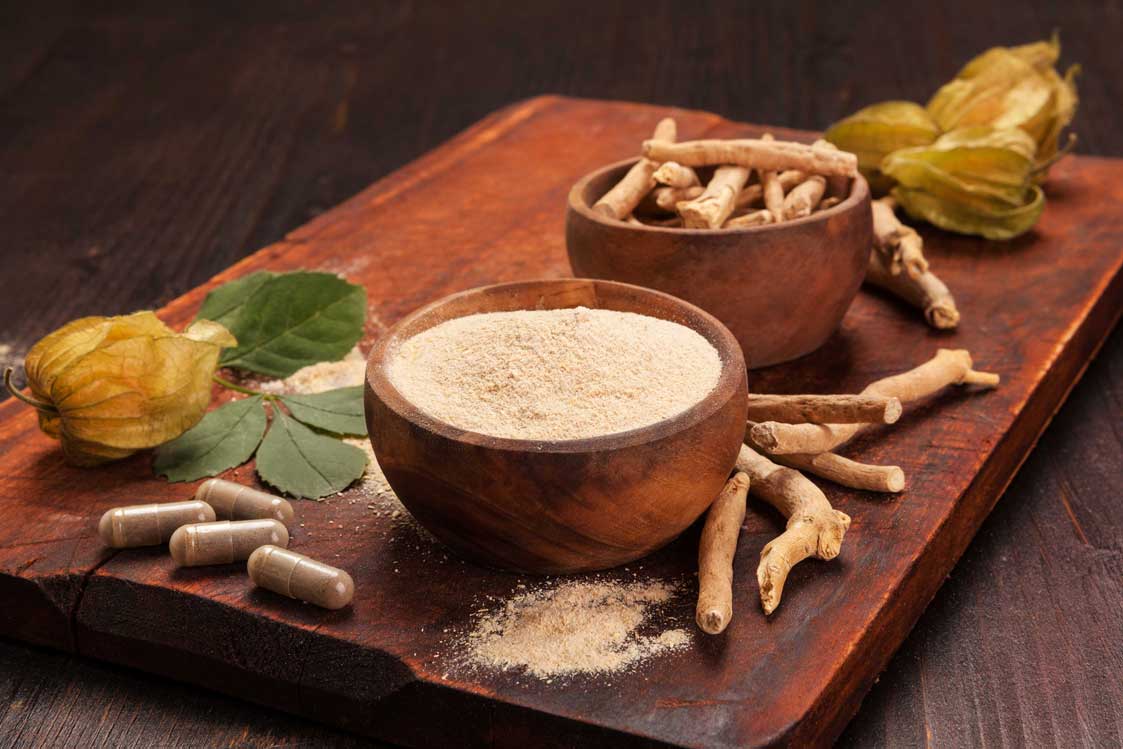
For centuries, Ayurveda has utilized a vast array of herbs, spices, and plant-based formulations to support health and balance. Ayurvedic herbalism, or Dravya Guna, focuses on the inherent qualities (Gunas) and energetic properties (Vipaka, Virya) of plants and how they interact with the body's Doshas. While specific herbs are traditionally used for various purposes, their general role in supporting a healthy lifestyle often involves enhancing digestion, boosting natural immunity, promoting detoxification, and fostering overall vitality. This ancient knowledge provides a gentle, natural way to complement a balanced lifestyle.
5. Movement and Mind-Body Practices (Yoga & Pranayama)
Ayurveda recognizes the inseparable connection between the mind and body. Practices like Yoga (asanas or physical postures) and Pranayama (breathing exercises) are integral to its holistic approach to a healthy lifestyle. Regular physical activity, chosen according to one's Dosha and energy levels, helps to improve circulation, flexibility, and strength. Pranayama techniques enhance oxygen intake and calm the nervous system, reducing stress and promoting mental clarity. These practices work in synergy to release tension, improve mental focus, and cultivate a deeper sense of well-being.
6. Emotional and Mental Harmony (Manasika Swasthya)
Beyond physical health, Ayurveda deeply addresses the importance of emotional and mental well-being (Manasika Swasthya) for a truly healthy lifestyle. It acknowledges that stress, unresolved emotions, and negative thought patterns can significantly impact physical health. Ayurvedic practices for mental harmony include meditation, mindfulness, sensory detoxification (e.g., limiting excessive sensory input), and fostering positive relationships. Encouraging self-reflection and cultivating inner peace are central to Ayurveda's philosophy, contributing to overall resilience and a balanced emotional state.
Summary
Ancient Ayurveda offers a timeless and profound blueprint for a healthy lifestyle, emphasizing individual uniqueness and the interconnectedness of mind, body, and spirit. By understanding one's Dosha, adopting personalized dietary wisdom, adhering to daily routines, utilizing herbal support, engaging in mind-body practices like yoga and pranayama, and nurturing emotional harmony, individuals can actively participate in their own well-being. This holistic system doesn't merely address symptoms but provides a comprehensive framework for sustaining balance, vitality, and enduring health throughout life.