Foods That Reduce Cholesterol: 6 Essential Dietary Choices Maintaining healthy cholesterol levels is crucial for cardiovascular well-being. While genetics and....
Foods That Reduce Cholesterol: 6 Essential Dietary Choices
Maintaining healthy cholesterol levels is crucial for cardiovascular well-being. While genetics and lifestyle play significant roles, dietary choices are powerful tools in managing cholesterol. Incorporating specific foods into your daily routine can contribute positively to reducing "bad" low-density lipoprotein (LDL) cholesterol, often dubbed the "unhealthy" cholesterol, and supporting overall heart health. Remember, dietary changes should always complement a healthy lifestyle and be discussed with a healthcare professional.
1. Oats and Barley: The Power of Soluble Fiber
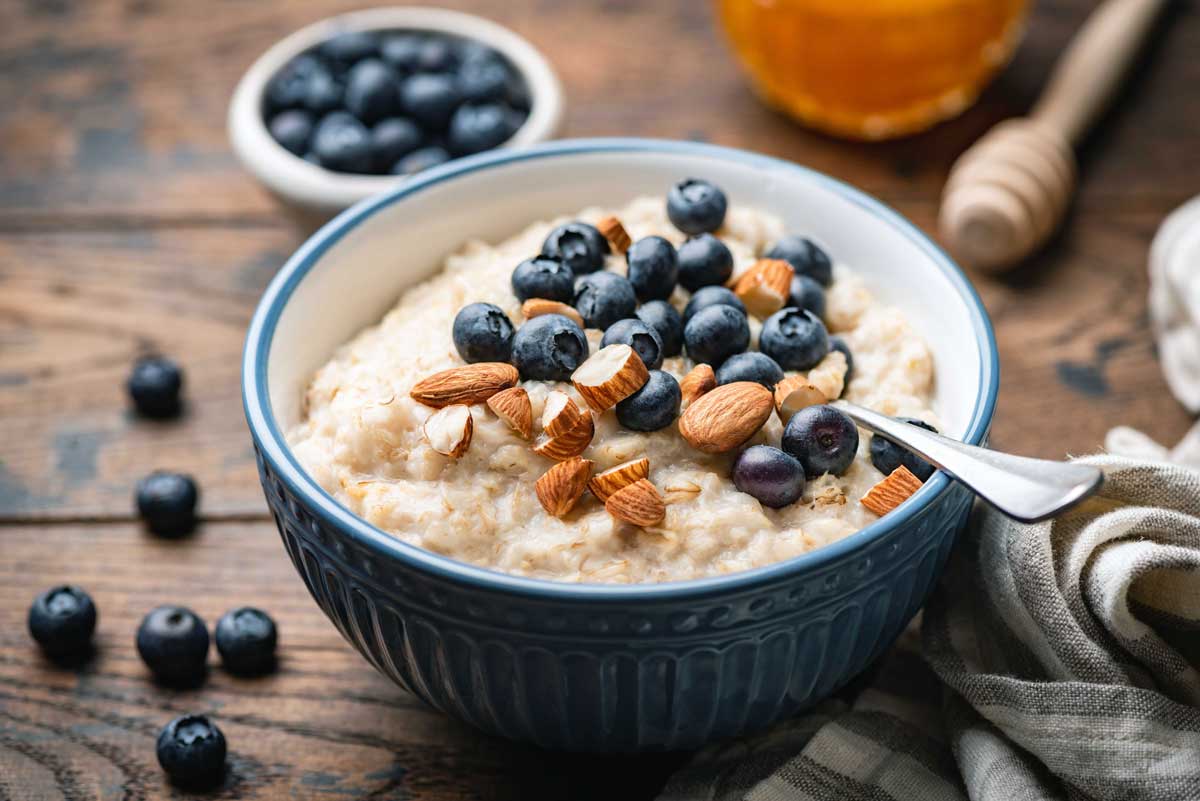
Oats and barley are champions of soluble fiber, particularly beta-glucan. Soluble fiber dissolves in water to form a thick gel-like substance in the digestive tract. This gel binds with cholesterol-rich bile acids, preventing their reabsorption and promoting their excretion from the body. Consequently, the liver has to draw more cholesterol from the blood to produce new bile, thereby helping to lower circulating LDL cholesterol levels. A daily intake of 5-10 grams of soluble fiber can make a noticeable difference.
2. Legumes: Beans, Lentils, and Peas
Legumes, including beans, lentils, chickpeas, and peas, are nutritional powerhouses rich in soluble fiber, protein, and various minerals. Like oats, their high soluble fiber content works to reduce cholesterol absorption in the gut. Furthermore, the slow digestion of legumes can help stabilize blood sugar levels, indirectly benefiting metabolic health which is linked to cholesterol regulation. Regular consumption of legumes can be a simple yet effective strategy for a heart-healthy diet.
3. Nuts and Seeds: Healthy Fats and Plant Sterols
Almonds, walnuts, flaxseeds, chia seeds, and other nuts and seeds are excellent sources of monounsaturated and polyunsaturated fats, omega-3 fatty acids, and plant sterols. Plant sterols (phytosterols) are compounds structurally similar to cholesterol that compete with cholesterol for absorption in the gut, thereby reducing the amount of dietary cholesterol that enters the bloodstream. Additionally, the healthy fats in nuts and seeds can help lower LDL cholesterol while raising beneficial high-density lipoprotein (HDL) cholesterol. Always opt for unsalted, raw, or dry-roasted varieties.
4. Fatty Fish: Rich in Omega-3 Fatty Acids
Cold-water fatty fish like salmon, mackerel, tuna, and sardines are renowned for their high content of omega-3 fatty acids, specifically EPA and DHA. While omega-3s primarily help reduce triglyceride levels, they can also have a modest effect on lowering LDL cholesterol and improving overall cardiovascular health by reducing inflammation and supporting arterial function. Regular consumption, ideally twice a week, is recommended as part of a heart-protective eating plan.
5. Fruits and Berries: Pectin and Antioxidants
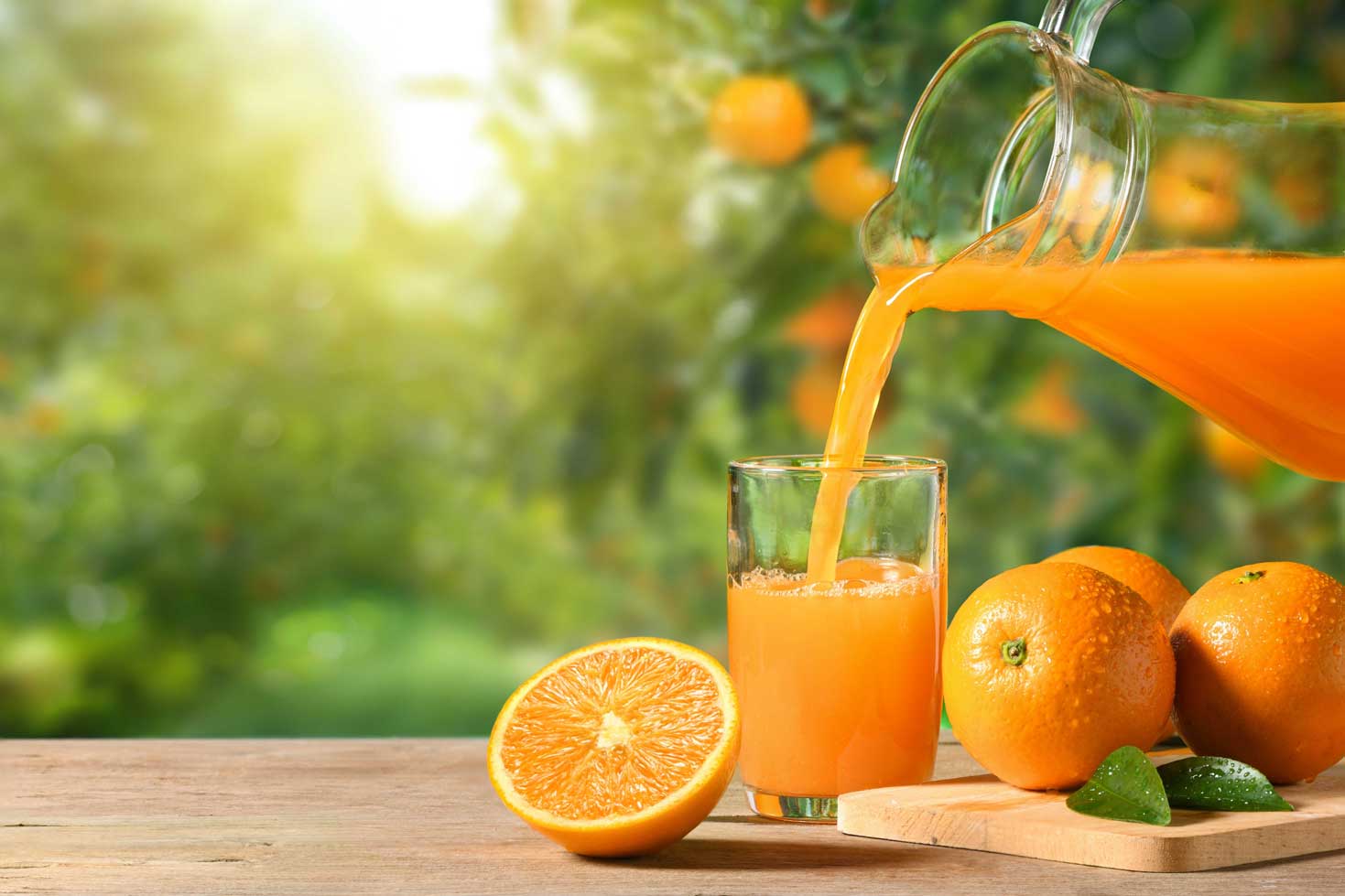
Many fruits, especially apples, citrus fruits, grapes, and strawberries, contain pectin, another type of soluble fiber that assists in lowering cholesterol. Similar to beta-glucan, pectin binds to cholesterol in the digestive tract, facilitating its excretion. Beyond fiber, fruits are packed with antioxidants, which can help protect LDL cholesterol from oxidation, a process that contributes to plaque buildup in arteries. Incorporating a variety of colorful fruits ensures a broad spectrum of beneficial nutrients.
6. Vegetables: Fiber and Plant Sterols
All vegetables contribute to a heart-healthy diet due to their fiber content and generally low caloric density. Leafy greens, broccoli, Brussels sprouts, and carrots, among others, provide a significant amount of dietary fiber. Certain vegetables, like bell peppers and spinach, also contain naturally occurring plant sterols, further aiding in cholesterol reduction by inhibiting absorption. Their rich vitamin, mineral, and antioxidant profiles also support overall cardiovascular health and a balanced diet.
Summary
Adopting a diet rich in foods known to help reduce cholesterol is a proactive step towards maintaining a healthy heart. Emphasizing soluble fiber from oats, legumes, and certain fruits, along with healthy fats from nuts, seeds, and fatty fish, can significantly contribute to better cholesterol management. Incorporating a wide variety of vegetables further enhances these benefits. Remember that diet is one component of a holistic approach to health, which also includes regular physical activity and professional medical guidance. Always consult with a doctor or a registered dietitian before making significant changes to your diet, especially if you have existing health conditions.