Essential Ayurvedic Supplements: A Guide for US Wellness Seekers Ayurveda, the ancient Indian system of medicine, offers a holistic approach....
Essential Ayurvedic Supplements: A Guide for US Wellness Seekers
Ayurveda, the ancient Indian system of medicine, offers a holistic approach to health and well-being. As interest in traditional wellness practices grows in the United States, many are exploring Ayurvedic supplements as part of their personal health journey. This guide provides an overview of essential aspects for US wellness seekers considering these powerful botanicals, emphasizing responsible usage and informed choices within a holistic framework.
1. Understanding Ayurveda's Holistic Framework
At the core of Ayurveda is the concept of balancing the three primary energetic forces, or Doshas: Vata, Pitta, and Kapha. Each individual possesses a unique constitution (Prakriti) determined by these Doshas, and imbalances (Vikriti) are believed to contribute to various states of disharmony. Ayurvedic supplements are traditionally used not as isolated remedies, but as components within a broader system that includes diet, lifestyle, yoga, meditation, and daily routines tailored to an individual's specific Dosha balance.
2. Key Categories of Ayurvedic Botanicals
Ayurveda utilizes a vast pharmacopoeia of herbs, minerals, and other natural substances. Many commonly referenced botanicals are widely available as supplements. It's important to understand their general traditional applications rather than specific medical claims.
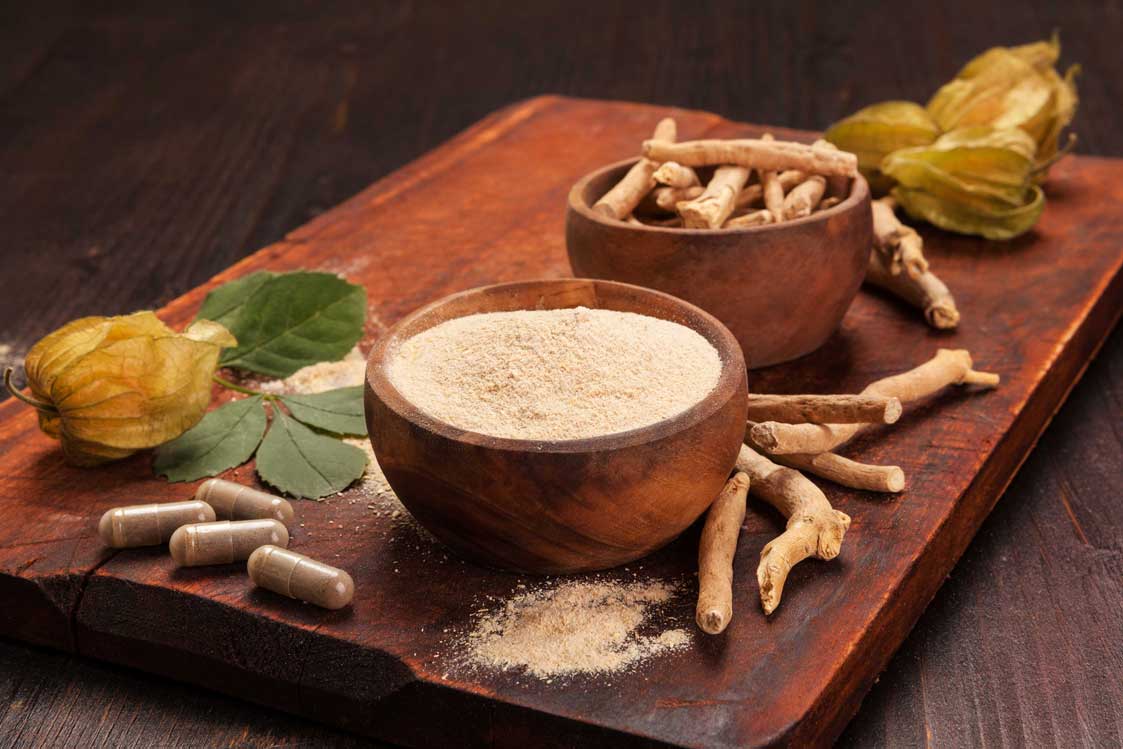
Adaptogens: Ashwagandha
Ashwagandha (Withania somnifera) is a revered herb known in Ayurveda for its adaptogenic properties, traditionally believed to help the body maintain balance and adapt to various stressors.
Digestive Support: Triphala
Triphala is a classic Ayurvedic blend of three fruits (Amalaki, Bibhitaki, and Haritaki), traditionally valued for its gentle cleansing properties and its role in supporting healthy digestion and elimination.
Anti-inflammatory Focus: Turmeric
Turmeric (Curcuma longa), particularly its active compound curcumin, has a long history of use in Ayurvedic traditions for its properties related to supporting overall bodily comfort and balance.
Cognitive Support: Brahmi (Bacopa Monnieri)
Brahmi, often referring to Bacopa monnieri or Gotu Kola, is traditionally used in Ayurveda for its role in supporting cognitive functions and promoting mental clarity.
3. The Imperative of Quality and Sourcing
For US wellness seekers, ensuring the quality, purity, and authenticity of Ayurvedic supplements is paramount. The supplement market is diverse, and standards can vary. Look for brands that prioritize:
- Third-Party Testing: Independent lab verification for purity, potency, and absence of contaminants like heavy metals, pesticides, and microbial growth.
- Organic Certification: Ensures herbs are grown without synthetic pesticides or fertilizers.
- Sustainable Sourcing: Supports ethical harvesting practices and environmental responsibility.
- Transparency: Clear labeling of ingredients, dosages, and manufacturing processes.
4. The Personalized Nature of Ayurvedic Practice
Ayurveda emphasizes a highly individualized approach. What is beneficial for one person's Dosha constitution might not be suitable for another. Self-diagnosis and self-treatment are generally discouraged. Before incorporating Ayurvedic supplements, especially if you have existing health conditions or are taking other medications, it is advisable to consult with a qualified Ayurvedic practitioner or healthcare professional. They can help assess your unique constitution and recommend appropriate supplements and dosages that align with your wellness goals.
5. Integrating Supplements into a Holistic Lifestyle
Ayurvedic supplements are intended to complement, not replace, a healthy lifestyle. Their effectiveness is often maximized when integrated with other Ayurvedic principles. This includes a balanced diet tailored to your Dosha, adequate sleep, stress management techniques like meditation or yoga, and consistent daily routines (Dinacharya). Viewing supplements as one piece of a larger wellness puzzle can lead to more sustainable and comprehensive health outcomes.
6. Navigating the US Regulatory Landscape
In the United States, dietary supplements, including Ayurvedic herbs, are regulated by the Food and Drug Administration (FDA) under a different set of regulations than prescription drugs. Manufacturers are responsible for ensuring the safety and labeling of their products before they are marketed. Consumers should be aware that the FDA does not approve dietary supplements before they are sold. Therefore, it is crucial for US wellness seekers to be diligent in researching brands, understanding product labels, and exercising caution against exaggerated or unsubstantiated health claims.
Summary
Essential Ayurvedic supplements offer a pathway to wellness for many US seekers, rooted in ancient wisdom. By understanding Ayurveda's holistic principles, recognizing key botanicals, prioritizing quality sourcing, and embracing a personalized approach with professional guidance, individuals can responsibly integrate these supplements into a comprehensive wellness strategy. Always remember that supplements are best utilized as part of a broader healthy lifestyle and in consultation with qualified health practitioners.