Breast Cancer Prevention Tips for Women: 6 Key Steps For women, understanding potential strategies to lower the risk of breast....
Breast Cancer Prevention Tips for Women: 6 Key Steps
For women, understanding potential strategies to lower the risk of breast cancer is an important aspect of overall health. While some risk factors like genetics are beyond our control, many lifestyle choices can play a significant role in prevention. Adopting healthy habits can empower women to take proactive steps towards their well-being. This article outlines six key areas where women can focus their efforts to help reduce their risk of breast cancer.
1. Maintain a Healthy Weight
Research consistently shows a link between obesity, particularly after menopause, and an increased risk of breast cancer. Fat cells produce estrogen, and higher levels of estrogen can fuel the growth of hormone-sensitive breast cancer cells. Maintaining a healthy body weight through diet and exercise can help keep estrogen levels in check.
Focus on achieving and maintaining a body mass index (BMI) within the healthy range. If you are overweight or obese, even a modest weight loss can offer health benefits and contribute to reducing your breast cancer risk.
2. Limit or Avoid Alcohol Consumption
Alcohol consumption is a well-established risk factor for breast cancer. Even moderate drinking can increase a woman's risk. The more alcohol consumed regularly, the greater the risk becomes. Alcohol can increase levels of estrogen and other hormones associated with hormone-receptor-positive breast cancer.
For women, it is generally recommended to limit alcohol intake to no more than one drink per day, if at all. Opting to reduce or completely avoid alcohol can be a significant step in lowering your breast cancer risk.
3. Engage in Regular Physical Activity
Regular physical activity has numerous health benefits, including reducing the risk of breast cancer. Exercise helps to maintain a healthy weight, which indirectly lowers risk, but it also has direct effects on hormone levels, insulin, and the immune system. These effects can collectively contribute to a lower breast cancer risk.
Aim for at least 150 minutes of moderate-intensity aerobic activity or 75 minutes of vigorous-intensity aerobic activity per week, along with strength training exercises at least twice a week. Activities like brisk walking, cycling, swimming, or dancing can all be beneficial.
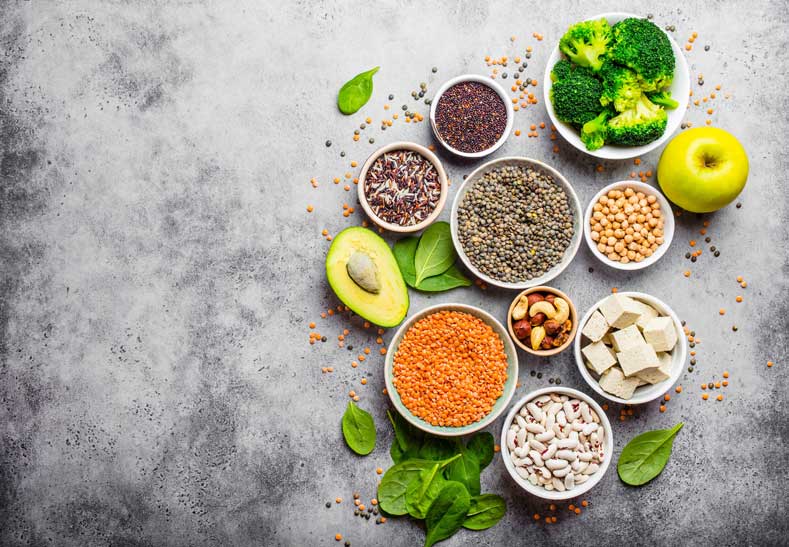
4. Adopt a Balanced, Plant-Rich Diet
While no single food or diet can guarantee breast cancer prevention, adopting an overall healthy eating pattern can contribute to reducing risk. A diet rich in fruits, vegetables, whole grains, and lean proteins, and low in processed foods, red meat, and unhealthy fats, is generally recommended.
Focus on colorful fruits and vegetables, which are packed with antioxidants and phytochemicals. Incorporate fiber-rich whole grains like oats, brown rice, and whole wheat bread. Limiting saturated and trans fats can also support overall health and potentially lower cancer risk.
5. Consider Breastfeeding, If Possible
For women who choose to have children, breastfeeding may offer a protective benefit against breast cancer. Studies suggest that mothers who breastfeed for an extended period may have a slightly lower risk of developing breast cancer. This protective effect is thought to be due to changes in breast tissue and reduced lifetime exposure to certain hormones during the breastfeeding period.
While breastfeeding is a personal choice, it is a factor to consider for its potential health benefits for both mother and child.
6. Understand Hormone Therapy and Consult Your Doctor
Some forms of hormone therapy used for menopausal symptoms, specifically combined estrogen-progestin therapy, have been shown to increase the risk of breast cancer when used for more than a few years. Discuss the risks and benefits of hormone replacement therapy (HRT) with your healthcare provider.
If you are considering or currently using HRT, work with your doctor to determine the lowest effective dose for the shortest duration necessary, and explore non-hormonal alternatives if appropriate. Regular screenings are also crucial if you are on HRT.
Summary: Empowering Choices for Breast Health
Reducing the risk of breast cancer involves a combination of informed choices and a commitment to a healthy lifestyle. By maintaining a healthy weight, limiting alcohol, engaging in regular physical activity, eating a balanced diet, considering breastfeeding, and discussing hormone therapy options with your doctor, women can take proactive steps towards safeguarding their breast health.
It is important to remember that these tips are about risk reduction, not guaranteed prevention. Regular screenings and self-awareness remain vital components of early detection. Always consult with your healthcare provider for personalized advice and medical guidance regarding breast cancer prevention and screening.