Beginner Home Workout Plan for Women: 6 Essential Steps to Get Started Starting a fitness journey can feel overwhelming, but....
Beginner Home Workout Plan for Women: 6 Essential Steps to Get Started
Starting a fitness journey can feel overwhelming, but with a well-structured beginner home workout plan, women can build strength, improve endurance, and enhance overall well-being from the comfort of their own homes. This guide outlines six essential steps to help you establish a safe, effective, and sustainable fitness routine without needing a gym membership or expensive equipment.
1. Set Realistic Goals and Consult a Professional
Before beginning any new exercise regimen, it is beneficial to consult with a healthcare professional, especially if you have pre-existing health conditions. Setting clear, achievable goals is crucial for long-term motivation. Rather than aiming for drastic changes overnight, focus on consistency and gradual progress. For example, aim to complete three workout sessions per week for a month, or to perform a certain number of repetitions of an exercise with good form. Understand that fitness is a journey, not a destination, and celebrate small victories along the way.
2. Master Foundational Bodyweight Exercises
Bodyweight exercises are excellent for beginners as they build foundational strength, improve body awareness, and require no special equipment. Focusing on proper form is more important than the number of repetitions. Start with 2-3 sets of 8-12 repetitions for each exercise, resting for 60-90 seconds between sets.
Key Bodyweight Movements:
- Squats: Stand with feet shoulder-width apart, chest up. Lower your hips as if sitting in a chair, keeping your back straight and knees behind your toes.
- Modified Push-ups: Start on your knees with hands slightly wider than shoulder-width apart. Lower your chest towards the floor, keeping your body in a straight line from head to knees, then push back up.
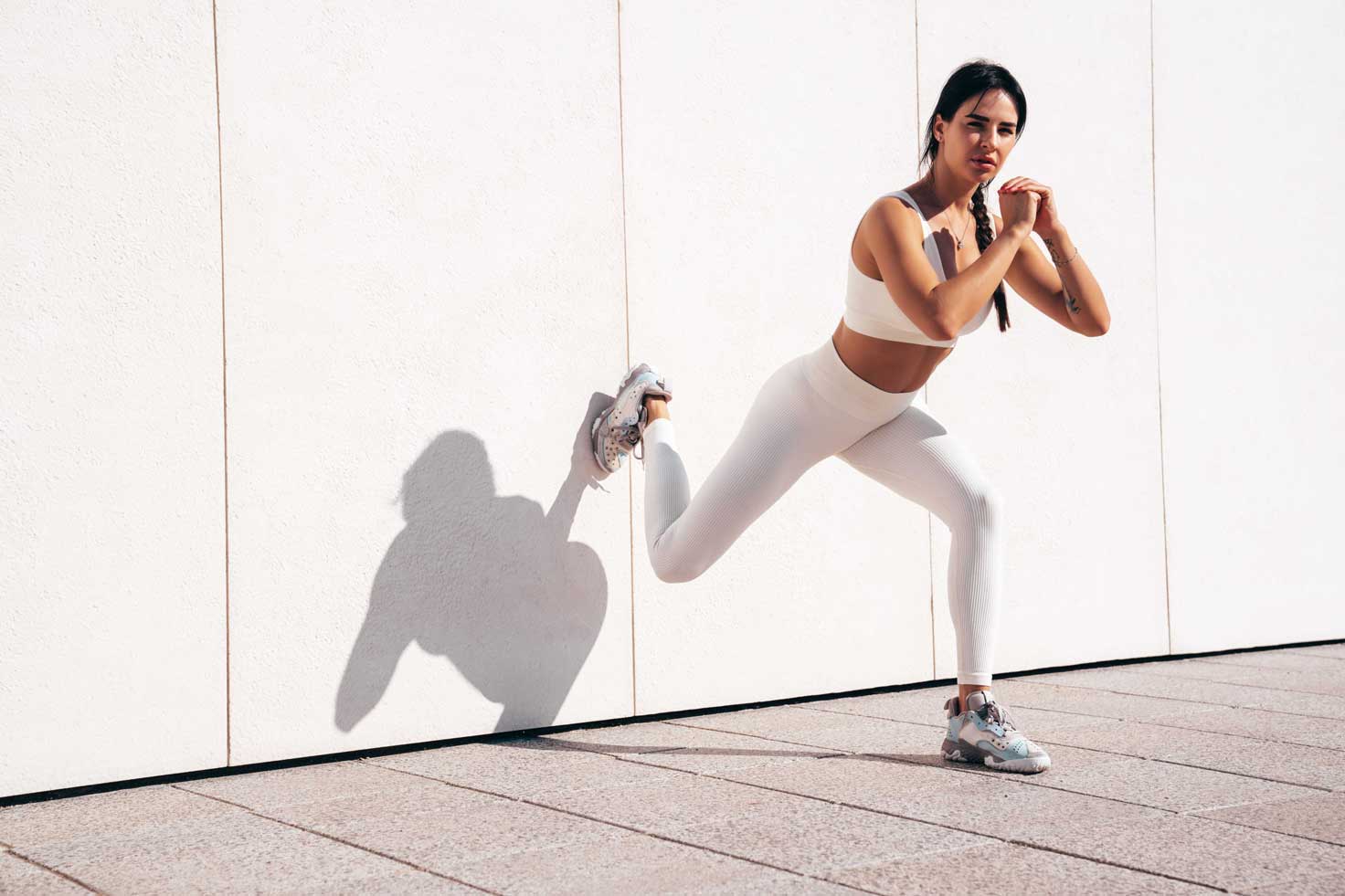
- Lunges: Step forward with one leg, lowering your hips until both knees are bent at approximately a 90-degree angle. Ensure your front knee is directly above your ankle. Push back to the starting position and alternate legs.
- Plank: Support your body on your forearms and toes, keeping a straight line from head to heels. Engage your core muscles and avoid sagging your hips. Hold for 20-30 seconds.
- Glute Bridges: Lie on your back with knees bent and feet flat on the floor, hip-width apart. Lift your hips off the ground until your body forms a straight line from shoulders to knees. Squeeze your glutes at the top.
3. Structure Your Weekly Routine
Consistency is key for beginners. A balanced routine typically includes full-body strength training, some cardiovascular activity, and adequate rest. Aim for 3-4 structured workout days per week, allowing for rest or active recovery days in between. Active recovery might include a gentle walk or stretching.
Sample Weekly Schedule:
- Day 1: Full Body Strength (Bodyweight) - Perform a circuit of the foundational exercises listed above.
- Day 2: Active Recovery / Light Cardio - 20-30 minutes of brisk walking or light jogging.
- Day 3: Full Body Strength (Bodyweight) - Repeat Day 1, or try different variations (e.g., sumo squats, incline push-ups).
- Day 4: Rest - Allow your muscles to repair and grow.
- Day 5: Full Body Strength (Bodyweight) - Focus on perfecting form and potentially increasing repetitions or sets.
- Day 6: Active Recovery / Light Cardio - 20-30 minutes of brisk walking, cycling, or yoga.
- Day 7: Rest - Prioritize relaxation and recovery.
4. Prioritize Warm-ups and Cool-downs
Every workout session should begin with a warm-up and end with a cool-down. A warm-up prepares your body for exercise by increasing blood flow to your muscles and raising your heart rate gradually. This can help reduce the risk of injury. A cool-down helps your heart rate and breathing return to normal and allows for static stretching, which can improve flexibility and reduce muscle soreness.
Example Warm-up (5-10 minutes):
- Light cardio: Marching in place, arm circles, leg swings.
- Dynamic stretches: Torso twists, cat-cow stretches.
Example Cool-down (5-10 minutes):
- Static stretches: Hold stretches like hamstring stretch, triceps stretch, quad stretch for 20-30 seconds each.
5. Focus on Proper Form and Mind-Muscle Connection
Maintaining proper form throughout each exercise is paramount, especially for beginners. Incorrect form can lead to inefficient workouts and potential injuries. If you are unsure about the correct technique for an exercise, consider watching reputable instructional videos online or consulting with a certified fitness trainer. Additionally, focus on the "mind-muscle connection" – consciously engaging the muscles you intend to work. This can enhance the effectiveness of each movement.
6. Stay Hydrated, Fuel Your Body, and Prioritize Rest
Exercise is only one part of a healthy lifestyle. Proper hydration is essential; drink water consistently throughout the day, especially before, during, and after workouts. Fueling your body with balanced nutrition, including lean proteins, complex carbohydrates, and healthy fats, provides the energy needed for exercise and muscle recovery. Finally, adequate sleep (typically 7-9 hours per night) is crucial for muscle repair, hormone regulation, and overall physical and mental well-being. These elements collectively support your fitness goals and contribute to sustainable health.
Summary
Embarking on a beginner home workout plan for women involves six key steps: setting realistic goals and seeking professional advice when needed, mastering foundational bodyweight exercises, structuring a consistent weekly routine, integrating warm-ups and cool-downs, prioritizing proper form and mind-muscle connection, and supporting your efforts with hydration, nutrition, and rest. By focusing on these principles, you can build a strong, healthy foundation and enjoy the benefits of regular physical activity from the comfort of your home.