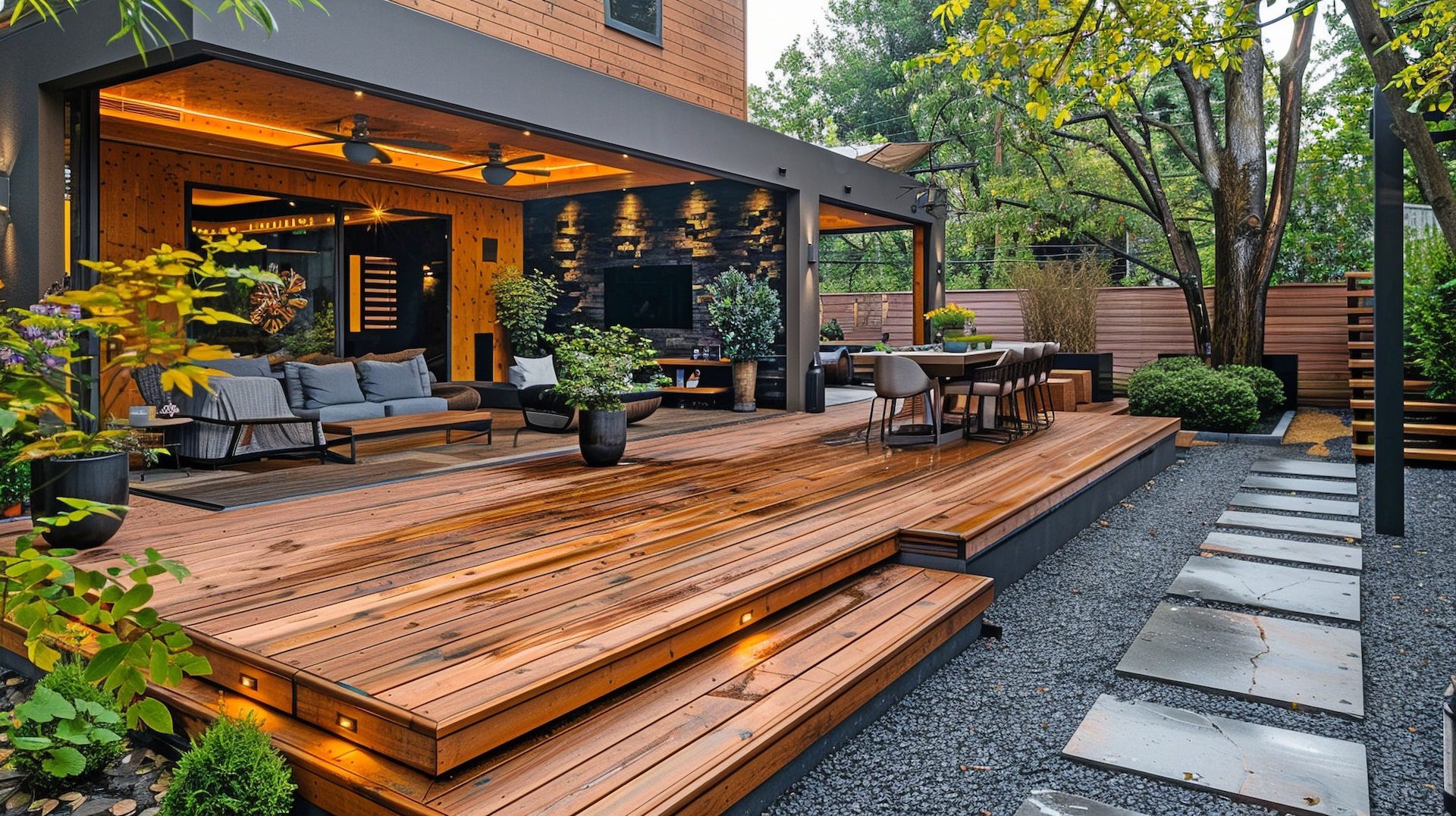
Backyard Landscaping on a Budget: 6 Smart Steps for a Beautiful Outdoor Space Creating an appealing backyard does not require....
Backyard Landscaping on a Budget: 6 Smart Steps for a Beautiful Outdoor Space
Creating an appealing backyard does not require a significant financial investment. With careful planning, resourcefulness, and a focus on DIY solutions, homeowners can achieve beautiful and functional outdoor spaces on a budget. This guide outlines six smart steps to help transform a backyard without overspending, adhering to principles of sustainability and value.
1. Plan Thoroughly Before You Begin
The foundation of any successful budget landscaping project is a well-defined plan. Begin by assessing the existing space, noting sunlight patterns, drainage issues, and current features. Sketch a layout that designates zones for various activities, such as seating, gardening, or recreation. Prioritize which areas need immediate attention and which can be tackled in phases. This planning phase prevents impulsive purchases and ensures every effort contributes to a cohesive design, saving both time and money in the long run.
2. Embrace Smart Plant Choices and Propagation
Plants can be a significant expense, but there are ways to minimize costs. Opt for native plants, which are typically well-adapted to local climates, require less water and maintenance, and are often more affordable. Consider drought-tolerant species that thrive with minimal irrigation. Instead of buying mature plants, start from seeds, cuttings, or divisions from existing plants or from friends and neighbors. Look for plant sales at local nurseries or community garden events. Improving soil quality with homemade compost also encourages healthier plant growth, reducing the need for costly fertilizers.
3. Utilize DIY and Upcycled Materials
Many landscaping elements can be created or sourced affordably. Repurpose materials such as old bricks, pavers, or reclaimed wood for pathways, borders, or raised garden beds. Pallets can be transformed into vertical gardens or outdoor furniture. Stones and rocks collected from your property can be used for natural-looking retaining walls or decorative accents. Learning basic DIY skills for building simple structures like trellises, benches, or small patios can significantly reduce labor costs and material expenses, adding unique character to the space.
4. Implement Strategic Mulching and Ground Covers
Mulch is a cost-effective solution for weed suppression, moisture retention, and soil temperature regulation. While decorative mulches can be pricey, options like shredded leaves, wood chips (often available for free or at a low cost from local tree trimming services), or pine needles are effective and environmentally friendly. For larger areas, consider planting low-maintenance ground covers like creeping thyme or sedum instead of traditional turf grass, which requires regular watering and mowing. These solutions reduce the need for herbicides and frequent maintenance, contributing to long-term savings.
5. Create Focal Points with Budget-Friendly Accents
Every backyard benefits from visual interest. Instead of elaborate statues or expensive water features, create focal points using budget-friendly accents. A vibrant container garden with seasonal flowers, a bird bath, or a string of solar-powered fairy lights can add charm and appeal. Arrange existing outdoor furniture to create inviting seating areas. Painting an old fence or shed a new color can dramatically change the look of the space without much expense. The key is to use what you have creatively and selectively, rather than buying new, costly items.
6. Adopt a Phased Approach and Be Patient
Landscaping on a budget often means completing the project over time. Breaking down the overall design into smaller, manageable phases allows you to spread out the costs and labor. Start with the most impactful changes, such as defining main pathways or establishing key planting beds. As finances and time allow, move on to less critical areas. Patience is crucial; a beautiful landscape evolves over seasons and years, and a phased approach ensures quality results without financial strain.
Summary
Transforming a backyard on a budget is an achievable goal through thoughtful planning and execution. By making smart choices regarding plant selection, embracing DIY projects with repurposed materials, utilizing effective mulching and ground cover techniques, and adding budget-friendly accents, homeowners can create a beautiful and functional outdoor environment. A phased approach allows for gradual development, ensuring that each step contributes to a cohesive and appealing landscape without overspending. Focus on practical, sustainable solutions to build a space that can be enjoyed for years to come.