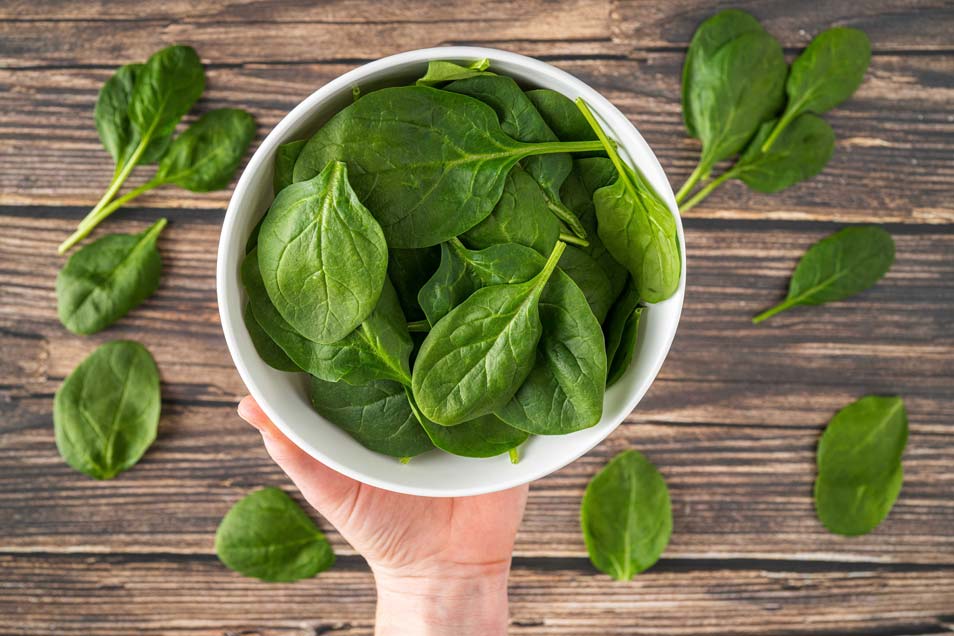
In every kitchen, maintaining food freshness is a top priority, not only for taste and quality but also for minimizing waste and ensuring food safety.
Airtight food storage containers are an indispensable tool in achieving this goal, offering a simple yet highly effective solution for preserving a wide variety of ingredients and prepared meals.
Why Airtight Food Storage Containers Are Essential
The primary purpose of airtight containers is to create a barrier between your food and the external environment, significantly slowing down the natural degradation process. This barrier prevents air, moisture, and odors from reaching your food, which are common culprits in spoilage.
Prolonged Freshness and Shelf Life
By sealing food away from oxygen, airtight containers dramatically reduce oxidation, a chemical reaction that can cause food to lose flavor, color, and nutritional value. This helps keep produce crisp, baked goods soft, and leftovers delicious for longer periods.
Preventing Spoilage and Waste
Exposure to air and moisture accelerates the growth of mold and bacteria. Airtight seals inhibit these microorganisms, extending the edible life of your food and ultimately helping to reduce food waste, saving you money in the long run.
Organization and Space Saving
Beyond preservation, well-designed airtight containers contribute significantly to kitchen organization. Stackable designs optimize pantry and refrigerator space, making it easier to find what you need and maintain a tidy environment. Uniform containers also lend a streamlined, aesthetic appeal.
Pest and Odor Control
For dry goods like flour, sugar, and cereals, airtight containers form an impenetrable barrier against common pantry pests such as ants and weevils. They also prevent strong-smelling foods from permeating your refrigerator, keeping other items from absorbing unwanted odors.
Key Features to Look for When Choosing Airtight Containers
Selecting the right containers involves considering several factors to ensure they meet your specific needs and offer maximum utility.
Material Options
Airtight containers are available in various materials, each with distinct advantages:
- Glass: Durable, non-porous, stain-resistant, and doesn't absorb odors. Safe for oven, microwave, freezer, and dishwasher. Offers clear visibility.
- Plastic: Lightweight, often more affordable, and less prone to breakage than glass. Look for BPA-free plastics for food safety. Many are microwave, freezer, and dishwasher safe.
- Stainless Steel: Extremely durable, rust-resistant, and excellent for temperature retention. Ideal for dry goods or outdoor use, though they lack transparency.
Sealing Mechanism
The effectiveness of an airtight seal is crucial. Common mechanisms include:
- Snap-on Lids with Silicone Gaskets: These create a tight seal by pressing down on a silicone or rubber gasket, often with multiple latches.
- Vacuum Seals: Some advanced systems remove air from the container using a pump, offering the highest level of preservation for specific foods.
- Screw-top Lids: Common for jars and some plastic containers, providing a good seal for dry goods.
Size, Shape, and Stackability
A diverse set of sizes and shapes is beneficial for storing different quantities and types of food. Containers designed to stack efficiently can significantly improve kitchen storage and accessibility.
Durability and Ease of Cleaning
Invest in containers made from sturdy materials that can withstand regular use. Features like wide openings and smooth interiors make containers easier to clean, which is vital for hygiene.
Tips for Maximizing Your Airtight Storage
To get the most out of your airtight containers, consider these practical tips:
Proper Filling Techniques
Avoid overfilling containers, especially with liquids or items that expand when frozen. Leave a small amount of headspace to allow for expansion and to ensure the lid can create an effective seal.
Labeling and Dating
Always label your containers with the contents and the date it was stored. This simple practice helps you track freshness, rotate food stock, and prevent forgotten leftovers.
Strategic Storage Location
Store dry goods in a cool, dark pantry away from direct sunlight and heat sources. Refrigerate or freeze perishable items promptly in their airtight containers to maintain optimal temperatures and slow spoilage.
Investing in quality airtight food storage containers is a smart decision for any household. They are a fundamental tool for preserving food quality, extending shelf life, reducing waste, and contributing to a more organized and efficient kitchen. By understanding the features and benefits, you can choose the best options to keep your food fresher, longer..