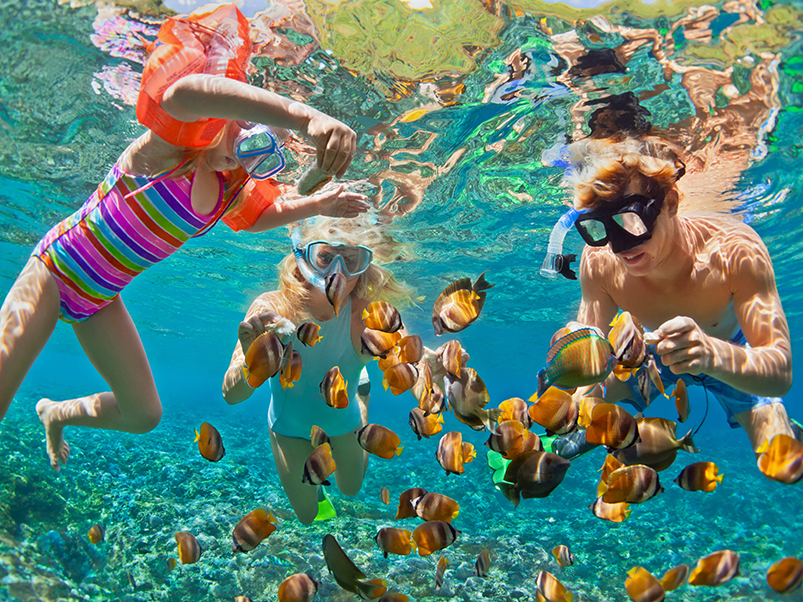
AI Image Generators are revolutionizing the way individuals and businesses create visual content. By leveraging advanced artificial intelligence and machine learning models, these tools can transform simple text prompts into high-quality images within seconds. From marketing and graphic design to gaming and education, AI-powered image generation is reshaping creative workflows across industries.
An AI Image Generator works by analyzing vast datasets of images and understanding patterns, styles, colors, and compositions. When a user provides a text prompt—such as “a futuristic city at sunset” or “realistic portrait in oil painting style”—the system interprets the description and generates a visually compelling image. This technology significantly reduces the time and cost associated with traditional image creation while opening new creative possibilities.
How AI Image Generators Work
At the core of AI image generation are deep learning models such as diffusion models, generative adversarial networks (GANs), and transformer-based architectures. These models are trained on millions of images paired with textual descriptions. Over time, the AI learns how visual elements correspond to words, styles, and artistic concepts.
When a prompt is entered, the AI starts with random visual noise and gradually refines it into a coherent image that matches the input description. Many platforms also allow users to customize outputs by adjusting parameters such as resolution, artistic style, lighting, and realism. This level of control makes AI image generators suitable for both beginners and professional designers.
Benefits of Using AI Image Generators
- Time Efficiency: Generate high-quality images in seconds instead of hours or days.
- Cost-Effective: Reduce dependency on expensive photoshoots, stock images, or design teams.
- Creative Freedom: Experiment with unlimited concepts, styles, and ideas without constraints.
- Scalability: Create large volumes of images for marketing campaigns, websites, and social media.
- Accessibility: Enables non-designers to produce professional-looking visuals.
Use Cases of AI Image Generators
AI image generators are widely used across various domains. In digital marketing, businesses generate eye-catching banners, social media creatives, and ad visuals. In e-commerce, sellers create product mockups and lifestyle images without physical samples. Game developers and filmmakers use AI-generated concept art to visualize characters and environments. Educators and content creators leverage AI images to make learning materials more engaging.
Top AI Image Generator Tools
Below are some of the most popular and reliable AI image generator platforms available today:
1. DALL·E
DALL·E by OpenAI is one of the most advanced AI image generators. It produces highly detailed and creative images from text prompts and supports multiple styles, from realistic photography to abstract art.
2. Midjourney
Midjourney is known for its artistic and visually stunning outputs. It is widely used by designers and digital artists who want stylized and imaginative imagery.
3. Stable Diffusion
Stable Diffusion is an open-source AI image generation model that offers flexibility and customization. It can be run locally or through various online platforms, making it popular among developers and advanced users.
4. Adobe Firefly
Adobe Firefly integrates AI image generation directly into Adobe’s creative ecosystem. It is designed for commercial use and ensures content is safe for professional projects.
5. Canva AI Image Generator
Canva AI Image Generator is ideal for beginners and marketers. It allows users to quickly generate images and seamlessly incorporate them into presentations, social media posts, and marketing designs.
Challenges and Ethical Considerations
Despite their advantages, AI image generators also raise ethical and legal concerns. Issues such as copyright, ownership of AI-generated images, and the use of copyrighted training data are ongoing discussions. Additionally, there is a risk of misuse, including the creation of deepfakes or misleading visuals. Responsible use and transparent AI policies are essential to ensure ethical adoption.
The Future of AI Image Generation
The future of AI image generators looks promising, with continuous improvements in realism, accuracy, and customization. As models become more advanced, we can expect seamless integration with design tools, real-time image generation, and enhanced control over creative outputs. AI image generation will continue to empower individuals and businesses to bring ideas to life faster than ever before.
In conclusion, AI Image Generators are transforming the creative landscape by making high-quality visual content accessible to everyone. Whether you are a marketer, designer, entrepreneur, or hobbyist, these tools offer endless possibilities to explore creativity and innovation.