6 Natural Ways to Support a Lower Cancer Risk While there is no guaranteed way to prevent cancer, research suggests....
6 Natural Ways to Support a Lower Cancer Risk
While there is no guaranteed way to prevent cancer, research suggests that certain lifestyle choices can play a significant role in supporting overall health and potentially influencing cancer risk. By adopting healthy habits, individuals can empower their bodies to function optimally and potentially reduce their susceptibility to various diseases, including some forms of cancer. This article outlines six natural, evidence-based approaches to consider.
1. Prioritize a Plant-Rich Diet
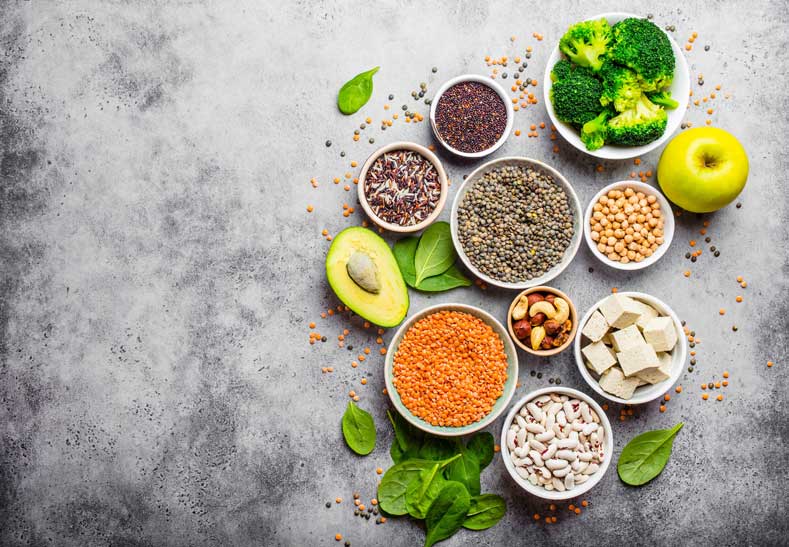
Eating a diet abundant in fruits, vegetables, whole grains, and legumes is a foundational step for supporting good health. These plant-based foods are rich in vitamins, minerals, fiber, and phytochemicals—beneficial plant compounds that may help protect cells from damage. Fiber, in particular, supports digestive health and can help maintain a healthy weight. Aim to fill at least two-thirds of your plate with plant foods at each meal, embracing a diverse range of colors and types to maximize nutrient intake.
Reducing the consumption of processed foods, red and processed meats, and sugary beverages can also contribute to a healthier dietary pattern. A balanced, plant-focused diet provides the body with essential nutrients and antioxidants that support healthy cell function and overall well-being.
2. Maintain a Healthy Body Weight
Maintaining a healthy weight throughout life is a crucial factor in managing cancer risk. Excess body fat can lead to chronic inflammation and altered hormone levels, which are factors associated with an increased risk for several types of cancer, including breast, colon, prostate, and kidney cancers. Achieving and maintaining a healthy weight through a combination of balanced eating and regular physical activity supports metabolic health.
Focus on gradual, sustainable changes rather than restrictive diets. Understanding your body's energy needs and balancing calorie intake with physical activity are key components of long-term weight management. Consulting a healthcare professional can provide personalized guidance for achieving a healthy weight.
3. Engage in Regular Physical Activity
Regular physical activity is a powerful tool for overall health and may help reduce cancer risk. Physical activity helps maintain a healthy weight, improves immune system function, and can influence hormone levels and insulin sensitivity. These benefits contribute to a cellular environment that is less conducive to the development of certain cancers.
Aim for at least 150 minutes of moderate-intensity aerobic activity or 75 minutes of vigorous-intensity aerobic activity per week, along with strength training exercises two or more days a week. Activities like brisk walking, cycling, swimming, or dancing can all contribute. Incorporating movement into your daily routine, even in small increments, can make a difference.
4. Limit or Avoid Alcohol Consumption
Scientific research has established a clear link between alcohol consumption and an increased risk of several cancer types, including cancers of the mouth, throat, esophagus, liver, breast, and colon. The risk increases with the amount of alcohol consumed regularly.
For individuals who choose to drink alcohol, moderation is key. Limiting intake to no more than one drink per day for women and two drinks per day for men is generally recommended. For many, reducing alcohol consumption or avoiding it altogether can be a positive step toward supporting long-term health and potentially lowering cancer risk.
5. Avoid Tobacco Products and Secondhand Smoke
Tobacco use is a leading cause of cancer and is responsible for a significant percentage of cancer deaths worldwide. Smoking cigarettes, using smokeless tobacco, or being exposed to secondhand smoke dramatically increases the risk of developing numerous types of cancer, including lung, throat, mouth, bladder, and pancreatic cancers. There is no safe level of tobacco exposure.
Quitting tobacco, regardless of how long one has used it, can significantly reduce cancer risk over time. Avoiding exposure to secondhand smoke is equally important for non-smokers. Various resources and support systems are available for those looking to quit tobacco.
6. Protect Yourself from Environmental Carcinogens
While many cancer risks are tied to lifestyle, protecting yourself from certain environmental carcinogens is also an important consideration. Excessive exposure to ultraviolet (UV) radiation from the sun or tanning beds is a primary cause of skin cancer. Practicing sun safety, such as using sunscreen, wearing protective clothing, and seeking shade, is crucial.
Other environmental factors, such as exposure to certain chemicals in the workplace, air pollution, and radon gas in homes, can also contribute to cancer risk. Being aware of potential exposures, following safety guidelines, and ensuring proper ventilation can help minimize these risks. Simple actions like checking radon levels in your home can offer an additional layer of protection.
Summary
Adopting a holistic approach to health through these six natural strategies can significantly support your body's ability to reduce cancer risk. Prioritizing a plant-rich diet, maintaining a healthy weight, engaging in regular physical activity, limiting alcohol, avoiding tobacco, and protecting against environmental carcinogens are powerful steps toward a healthier life. While these actions can contribute to overall well-being and potentially lower risk, it is important to remember that they are not guarantees against cancer. Regular check-ups and discussions with healthcare professionals remain essential for personalized health guidance and screening.