6 Key Natural Ways to Reduce Anxiety and Promote Calm Anxiety is a common experience that can impact daily life.....
6 Key Natural Ways to Reduce Anxiety and Promote Calm
Anxiety is a common experience that can impact daily life. While professional medical guidance is crucial for persistent or severe anxiety, many individuals seek complementary approaches to support their well-being. Focusing on natural strategies can contribute significantly to managing stress and fostering a sense of inner peace. These approaches often involve making mindful choices about lifestyle, diet, and daily practices.
1. Embrace Mindful Movement and Regular Exercise
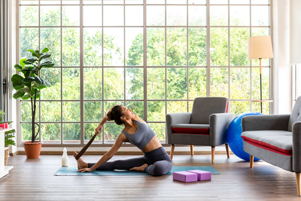
Physical activity is a powerful tool for managing anxiety. Engaging in regular exercise helps release endorphins, natural mood lifters, and can reduce the levels of stress hormones like cortisol. Activities such as brisk walking, jogging, swimming, or cycling for at least 30 minutes most days of the week can be beneficial. Mindful movement practices like yoga and Tai Chi combine physical postures with deep breathing and meditation, promoting both physical relaxation and mental tranquility. Even short bursts of activity, such as a walk during a break, can offer immediate relief and contribute to overall stress reduction.
2. Prioritize Quality Sleep
Sleep deprivation can significantly worsen anxiety symptoms, creating a challenging cycle where anxiety interferes with sleep, and poor sleep heightens anxiety. Prioritizing consistent, high-quality sleep is fundamental for mental well-being. Establishing a regular sleep schedule, even on weekends, can help regulate the body's natural sleep-wake cycle. Creating a relaxing bedtime routine, such as reading a book, taking a warm bath, or practicing gentle stretching, can signal to the body that it's time to wind down. Avoiding caffeine and electronic screens close to bedtime can also improve sleep quality.
3. Cultivate Mindfulness and Meditation Practices
Mindfulness is the practice of focusing on the present moment without judgment. It can help individuals observe anxious thoughts without becoming overwhelmed by them. Regular meditation, even for just a few minutes daily, can train the mind to be calmer and more resilient. Guided meditation apps, deep breathing exercises, and body scan meditations are accessible ways to begin. These practices can help reduce the physiological symptoms of anxiety, such as a racing heart or shallow breathing, by activating the body's relaxation response.
4. Adopt a Balanced and Nutrient-Rich Diet
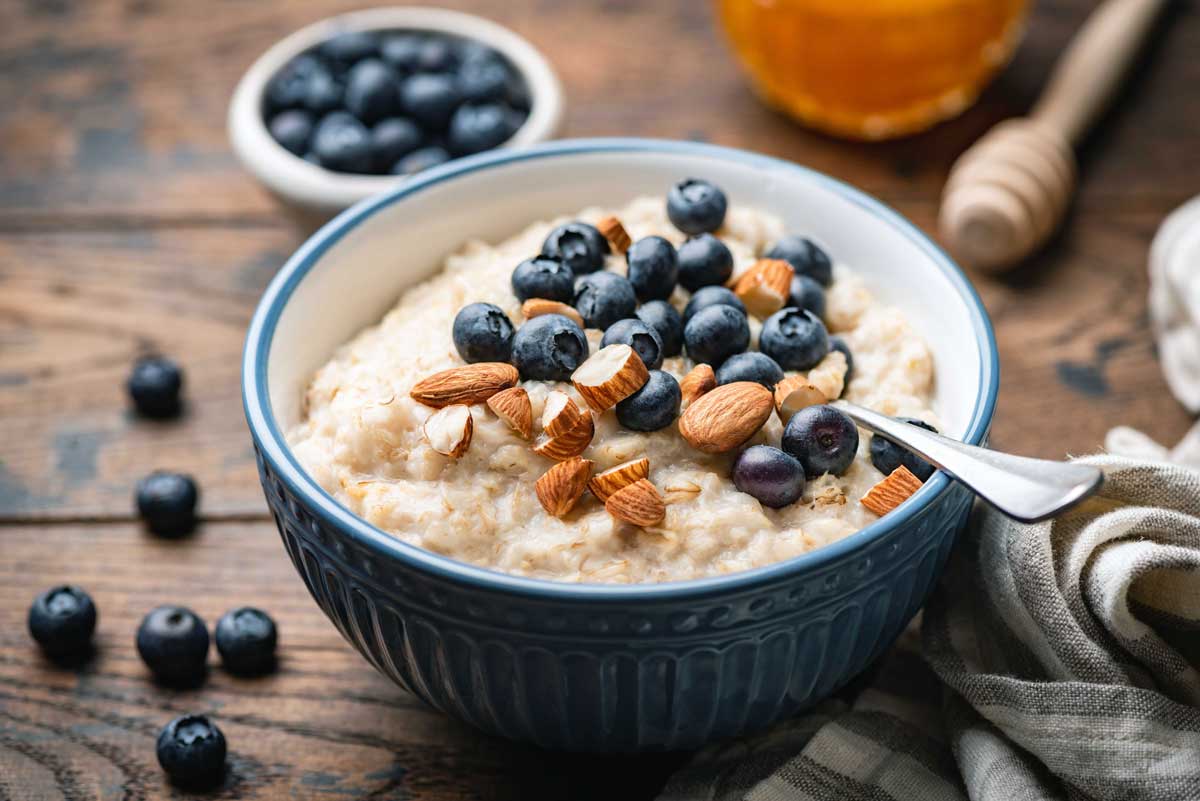
The foods consumed can influence mood and energy levels. A balanced diet rich in whole foods, fruits, vegetables, lean proteins, and healthy fats can support brain health and reduce anxiety. Limiting processed foods, excessive sugar, and unhealthy fats is often recommended, as these can contribute to energy crashes and mood fluctuations. Some individuals find that reducing caffeine and alcohol intake helps manage anxiety symptoms, as these substances can stimulate the nervous system or disrupt sleep. Staying adequately hydrated by drinking plenty of water throughout the day is also important for overall bodily function and mood regulation.
5. Foster Strong Social Connections
Humans are social beings, and strong social connections play a vital role in mental health. Connecting with friends, family, or support groups can provide a sense of belonging and reduce feelings of isolation. Talking about feelings and experiences with trusted individuals can offer perspective and emotional support. Participating in community activities, volunteering, or joining clubs based on personal interests can also expand social networks and provide opportunities for positive interactions, which can act as a buffer against anxiety.
6. Implement Effective Stress Management Techniques
Learning and applying effective stress management techniques can significantly reduce the impact of daily stressors that contribute to anxiety. This includes setting realistic boundaries, both professionally and personally, to prevent burnout. Practicing time management skills, delegating tasks when possible, and learning to say "no" can help create a more manageable schedule. Engaging in hobbies and creative outlets, such as painting, playing music, or gardening, can provide a healthy distraction and a sense of accomplishment. Incorporating regular breaks and moments of relaxation throughout the day can also prevent stress from accumulating.
Summary
Incorporating natural strategies into daily life can be a supportive step towards reducing anxiety and cultivating a calmer state of mind. By embracing mindful movement, prioritizing quality sleep, practicing mindfulness, adopting a balanced diet, fostering social connections, and implementing effective stress management techniques, individuals can build a robust foundation for their mental well-being. It is important to remember that these natural approaches complement, rather than replace, professional medical advice, and individuals experiencing persistent anxiety should consult a healthcare professional for appropriate guidance and treatment options.