6 Natural Ways to Improve Your Gut Health The human gut, often referred to as the "second brain," plays a....
6 Natural Ways to Improve Your Gut Health
The human gut, often referred to as the "second brain," plays a pivotal role in overall well-being, influencing everything from digestion and nutrient absorption to immune function and mood. A balanced gut microbiome, teeming with beneficial bacteria, is key to maintaining these vital processes. Many people seek natural methods to support their digestive system and enhance gut health. Exploring dietary adjustments and lifestyle changes can be an effective way to cultivate a thriving internal environment. Here are six natural strategies that may help foster a healthier gut.
1. Embrace a Fiber-Rich Diet
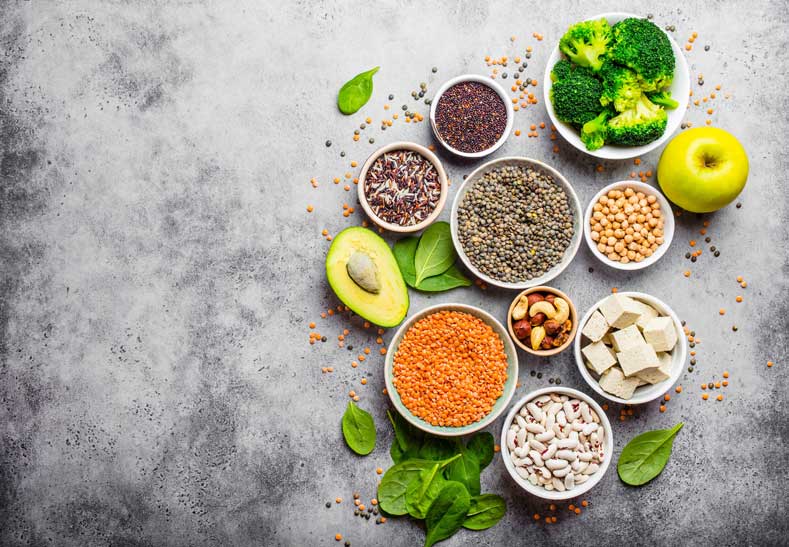
Dietary fiber is fundamental for a healthy digestive system. Found abundantly in fruits, vegetables, whole grains, legumes, nuts, and seeds, fiber acts as a bulk-forming agent, aiding in regular bowel movements and preventing constipation. Beyond its physical benefits, certain types of fiber serve as prebiotics, nourishing the beneficial bacteria in your gut. These bacteria ferment the fiber, producing short-chain fatty acids that are crucial for gut barrier function and overall gut health. Consistently incorporating a variety of high-fiber foods into your daily meals can significantly support digestive regularity and microbial diversity.
2. Incorporate Fermented Foods
Fermented foods are natural sources of probiotics, which are live microorganisms that, when consumed in adequate amounts, can confer a health benefit to the host. Examples include plain yogurt with live cultures, kefir, sauerkraut, kimchi, tempeh, and kombucha. These foods introduce diverse strains of beneficial bacteria into your gut, potentially enhancing the balance of your microbiome and supporting gut barrier integrity. Regular consumption of a variety of fermented foods can contribute to a more resilient and diverse gut flora, supporting digestive comfort and potentially aiding nutrient absorption from other foods.
3. Prioritize Prebiotic-Rich Foods
While probiotics introduce beneficial bacteria, prebiotics are specific types of dietary fiber that selectively feed these good bacteria already present in your gut. Think of them as fertilizer for your gut microbiome, helping existing beneficial bacteria thrive and multiply. Excellent sources of prebiotics include garlic, onions, leeks, asparagus, bananas, apples, oats, and barley. By incorporating these foods into your daily diet, you can help stimulate the growth and activity of beneficial gut microbes, fostering a more robust and balanced internal ecosystem.
4. Stay Well-Hydrated
Water is essential for nearly every bodily function, including digestion, nutrient transport, and waste elimination. Adequate hydration is critical for maintaining the mucosal lining of the intestines, which acts as a protective barrier and facilitates the movement of food through the digestive tract. It also helps soften stool, aiding in smooth bowel movements and preventing constipation, a common issue that can negatively impact gut health. Ensuring you drink sufficient water throughout the day can significantly support the efficient functioning of your digestive system and overall gut wellness.
5. Manage Stress Effectively
The gut-brain axis is a complex communication network linking the central nervous system with the enteric nervous system, which governs the gut. Stress, whether acute or chronic, can significantly impact gut health, potentially altering gut motility, increasing gut permeability, and shifting the balance of the microbiome. Implementing stress-reduction techniques such as meditation, yoga, deep breathing exercises, spending time in nature, or engaging in relaxing hobbies can positively influence gut function and contribute to a healthier, more balanced digestive environment.
6. Ensure Adequate Sleep
Sleep is a fundamental pillar of health, and its impact extends to gut health. Insufficient or poor-quality sleep can disrupt the natural circadian rhythms, which may in turn affect the gut microbiome and digestive processes. Research suggests a bidirectional relationship between sleep and gut health, where one influences the other significantly. Prioritizing 7-9 hours of quality sleep per night can support the body's repair mechanisms, reduce inflammation, and contribute to a more stable and healthy gut environment, promoting overall well-being.
Summary
Improving gut health naturally involves a holistic approach, focusing on sustainable dietary choices and mindful lifestyle adjustments. By embracing a fiber-rich diet, incorporating probiotic-rich fermented foods, nourishing your gut with prebiotics, staying adequately hydrated, managing stress effectively, and ensuring sufficient sleep, you can actively support a balanced and thriving gut microbiome. These strategies collectively contribute to enhanced digestive function, improved nutrient absorption, a stronger immune system, and overall well-being, helping you cultivate a healthier gut for a healthier life.