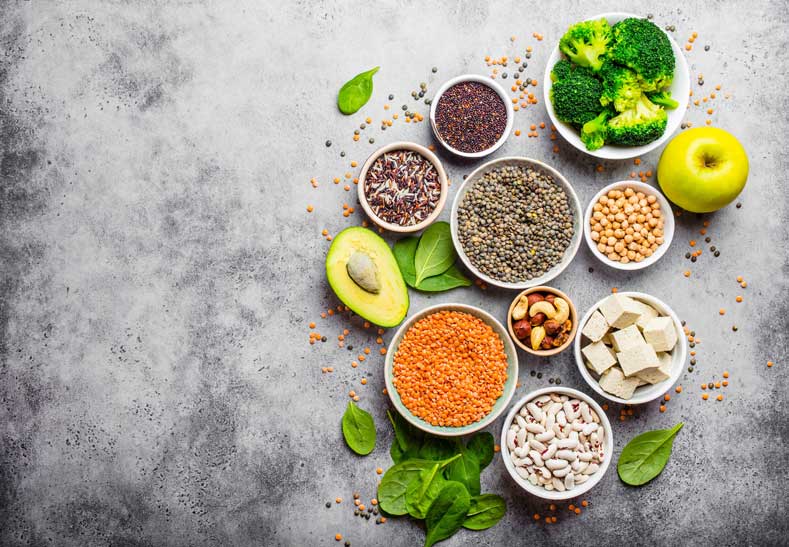
Exploring Natural Approaches to Digestive Health A well-functioning digestive system is fundamental to overall health and comfort. It plays a....
Exploring Natural Approaches to Digestive Health
A well-functioning digestive system is fundamental to overall health and comfort. It plays a crucial role in nutrient absorption and waste elimination. While modern lifestyles can sometimes challenge digestive harmony, several natural approaches can support its efficient operation. Focusing on dietary adjustments, lifestyle changes, and mindful practices can contribute significantly to improving digestive well-being.
Understanding these natural strategies empowers individuals to make informed choices that promote a healthier gut environment. Here are six key ways to naturally enhance your digestion.
1. Increase Your Dietary Fiber Intake
Fiber is an essential component for digestive health. It adds bulk to stool, facilitating its passage through the digestive tract and helping to prevent constipation. There are two main types of fiber: soluble and insoluble.
Types of Fiber and Their Benefits
- Soluble Fiber: Found in oats, beans, apples, and citrus fruits, soluble fiber absorbs water and forms a gel-like substance, which can help regulate blood sugar levels and may contribute to a feeling of fullness.
- Insoluble Fiber: Present in whole grains, wheat bran, and many vegetables, insoluble fiber adds bulk and helps food pass more quickly through the stomach and intestines.
Gradually increasing fiber intake and ensuring adequate water consumption are important steps to avoid discomfort associated with increased fiber.
2. Ensure Adequate Hydration
Water is indispensable for healthy digestion. It helps break down food, allowing nutrients to be absorbed effectively. Moreover, sufficient hydration softens stool, making it easier to pass and preventing constipation.
Dehydration can slow down the digestive process, leading to symptoms like bloating and discomfort. Aim for regular water intake throughout the day, and consider incorporating hydrating foods like fruits and vegetables into your diet.
3. Practice Mindful Eating
The way food is consumed can be as important as the food itself. Mindful eating involves paying attention to the eating process, which can positively impact digestion. This includes eating slowly, chewing food thoroughly, and being aware of hunger and fullness cues.
When food is chewed properly, the digestive enzymes in saliva begin the breakdown process, easing the burden on the stomach and intestines. Eating slowly also allows the body to signal satiety more effectively, potentially preventing overeating and associated digestive distress.
4. Incorporate Regular Physical Activity
Physical activity does more than just strengthen muscles; it also stimulates the muscles of the digestive tract. Regular exercise can help food move through the digestive system, reducing the likelihood of constipation and promoting regular bowel movements.
Even moderate activities like walking, jogging, or cycling can have a positive impact. Physical movement helps to reduce inflammation and may improve overall gut motility. Consistency is key to experiencing these benefits.
5. Manage Stress Effectively
The gut and brain are intricately linked through the gut-brain axis. Stress, anxiety, and other emotional factors can significantly influence digestive function. Chronic stress can disrupt the balance of gut bacteria and affect gut motility, potentially leading to symptoms like indigestion, bloating, or altered bowel habits.
Adopting stress-management techniques such as meditation, deep breathing exercises, yoga, or spending time in nature can help calm the nervous system and, in turn, support a healthier digestive process. Prioritizing mental well-being is an indirect yet powerful way to foster digestive health.
6. Consume Probiotic-Rich Foods
The human gut is home to trillions of bacteria, collectively known as the gut microbiome. A balanced microbiome, rich in beneficial bacteria, is vital for digestion and overall health. Probiotics are live microorganisms that, when consumed in adequate amounts, can provide health benefits, particularly to the digestive system.
Incorporating probiotic-rich foods into your diet can help maintain or restore a healthy balance of gut flora. Examples include:
- Yogurt with live and active cultures
- Kefir
- Sauerkraut
- Kimchi
- Tempeh
These foods introduce beneficial bacteria that can assist in breaking down food and may support the integrity of the gut lining.
Summary
Improving digestion naturally involves a holistic approach that considers diet, lifestyle, and mindful practices. By increasing fiber and water intake, practicing mindful eating, engaging in regular physical activity, effectively managing stress, and consuming probiotic-rich foods, individuals can take proactive steps toward fostering a healthier and more efficient digestive system. These natural methods aim to support the body's innate ability to digest food, absorb nutrients, and maintain overall gastrointestinal comfort and well-being.