6 Key Foods That May Help Reduce Cancer Risk in Women Maintaining a balanced and nutritious diet is a cornerstone....
6 Key Foods That May Help Reduce Cancer Risk in Women
Maintaining a balanced and nutritious diet is a cornerstone of overall health and well-being. For women, making informed dietary choices can be a proactive step in supporting the body's natural defenses and potentially reducing the risk of various health concerns, including certain types of cancer. While no single food can guarantee cancer prevention, incorporating a variety of nutrient-rich foods into your daily routine is an essential part of a comprehensive healthy lifestyle.
Research suggests that certain food groups are particularly beneficial due to their high content of antioxidants, fiber, vitamins, and phytochemicals. Focusing on a diverse, plant-rich diet can contribute positively to cellular health and may help mitigate factors associated with cancer development.
1. Cruciferous Vegetables
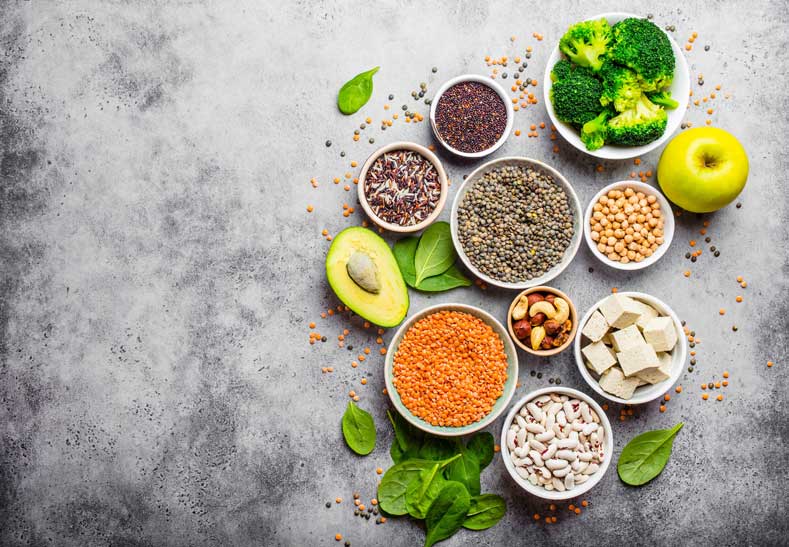
Cruciferous vegetables such as broccoli, cauliflower, Brussels sprouts, and cabbage are renowned for their potential health benefits. These vegetables contain compounds like sulforaphane and indole-3-carbinol, which are subjects of ongoing research for their role in supporting cellular health. Regular consumption of cruciferous vegetables is a valuable component of a healthy diet, contributing fiber, vitamins, and minerals that are vital for bodily functions.
2. Berries
Berries like blueberries, strawberries, raspberries, and blackberries are powerhouses of antioxidants, including anthocyanins and flavonoids. These natural compounds are known for their ability to combat oxidative stress in the body. Oxidative stress is a factor that can contribute to cellular damage over time. Incorporating a variety of colorful berries into your diet provides essential vitamins, fiber, and a delicious way to support your body's health.
3. Leafy Green Vegetables
Spinach, kale, collard greens, and other dark leafy greens are packed with vitamins, minerals, and carotenoids such as beta-carotene, lutein, and zeaxanthin. These nutrients are important for eye health and may also play a role in supporting cellular integrity. Furthermore, leafy greens are an excellent source of dietary fiber, which is crucial for digestive health and can contribute to maintaining a healthy weight – an important factor in overall cancer risk reduction.
4. Whole Grains
Opting for whole grains over refined grains is a simple yet impactful dietary change. Foods like oats, brown rice, quinoa, and whole wheat bread are rich in dietary fiber. Fiber aids in healthy digestion and helps maintain stable blood sugar levels. Whole grains also provide a range of B vitamins, magnesium, and other beneficial compounds that support metabolic health. A diet high in whole grains contributes to a feeling of fullness, which can help in managing body weight.
5. Legumes
Beans, lentils, chickpeas, and peas are versatile and nutrient-dense legumes that offer significant health advantages. They are an excellent source of plant-based protein, dietary fiber, and various vitamins and minerals, including folate. Legumes also contain phytochemicals that are being studied for their potential health-promoting properties. Including legumes in your diet can support gut health and provide sustained energy, making them a staple in many healthy eating patterns.
6. Healthy Fats and Seeds
While often misunderstood, certain fats are essential for health. Sources of healthy fats include olive oil, avocados, nuts (like walnuts and almonds), and seeds (such as flaxseeds and chia seeds). These foods provide monounsaturated and polyunsaturated fats, including omega-3 fatty acids, which are important for cellular function. Flaxseeds, in particular, are noted for their lignans and fiber content. Incorporating these healthy fats can contribute to a balanced diet and overall well-being.
Summary
Adopting a dietary pattern rich in fruits, vegetables, whole grains, and legumes, along with healthy fats, is a proactive strategy for women seeking to support their health and potentially reduce cancer risk. These food groups collectively offer a spectrum of antioxidants, fiber, vitamins, and phytochemicals that contribute to healthy cellular function and overall bodily resilience. It is important to remember that diet is one component of a holistic approach to health, which also includes regular physical activity, maintaining a healthy weight, and avoiding smoking and excessive alcohol consumption. Consulting with a healthcare professional or a registered dietitian can provide personalized guidance for dietary choices that align with individual health goals.