Understanding the Blood Sugar Control Diet Plan Maintaining stable blood sugar levels is a crucial aspect of overall health. A....
Understanding the Blood Sugar Control Diet Plan
Maintaining stable blood sugar levels is a crucial aspect of overall health. A well-structured diet plan plays a fundamental role in achieving this, helping to manage energy levels, support metabolic function, and promote well-being. This article outlines six key essentials that form the foundation of an effective diet plan for blood sugar control, emphasizing balanced nutrition and consistent eating habits. It is important to consult with a healthcare professional or registered dietitian for personalized dietary advice tailored to individual health needs.
1. Prioritize Whole Grains and Fiber-Rich Foods
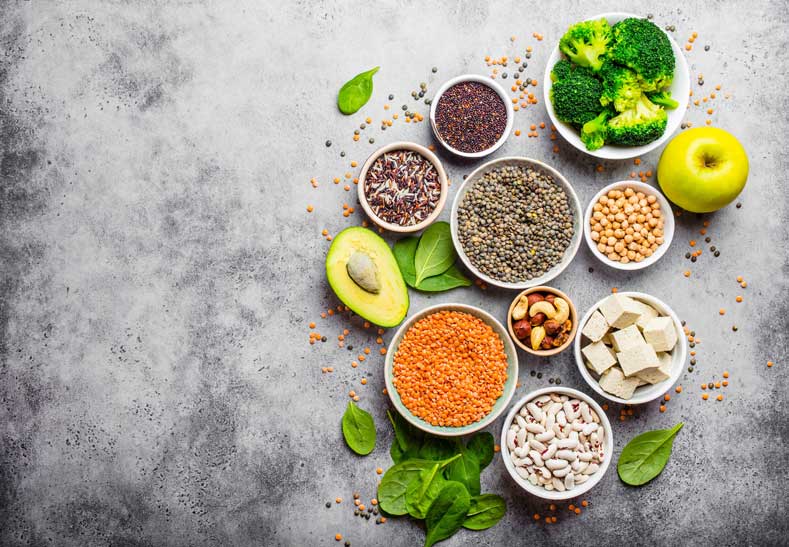
Fiber, particularly soluble fiber, can help slow down the absorption of sugar and fat, leading to more gradual blood sugar rises. Whole grains, legumes, fruits, and vegetables are excellent sources. Unlike refined grains, whole grains retain their bran and germ, which contain essential nutrients and fiber. Incorporating a variety of fiber-rich foods into every meal can contribute significantly to blood sugar stability.
Choose Complex Carbohydrates
Opt for complex carbohydrates found in oats, brown rice, quinoa, and whole-wheat bread. These are digested slowly, providing a steady release of glucose into the bloodstream. Avoid highly processed carbohydrates and sugary drinks that can cause rapid blood sugar spikes.
2. Focus on Lean Protein Sources
Protein helps to slow digestion and can prevent rapid blood sugar surges after meals. It also contributes to satiety, helping to manage appetite and portion sizes. Incorporating lean protein into meals and snacks can be beneficial for blood sugar management.
Include a Variety of Proteins
Good sources include poultry, fish, eggs, tofu, lentils, beans, and low-fat dairy. Plant-based proteins offer the added benefit of fiber and other beneficial nutrients. Aim to balance your protein intake across your daily meals.
3. Incorporate Healthy Fats
While fats are calorie-dense, healthy fats are essential for overall health and can play a role in blood sugar control. They can help slow down the absorption of carbohydrates and contribute to feelings of fullness, which can prevent overeating.
Select Unsaturated Fats
Choose sources rich in monounsaturated and polyunsaturated fats, such as avocados, nuts, seeds, and olive oil. Limit saturated and trans fats found in many processed foods and animal products, as these can negatively impact heart health.
4. Emphasize Non-Starchy Vegetables
Non-starchy vegetables are low in calories and carbohydrates but high in fiber, vitamins, and minerals. They are an ideal choice for filling up your plate without significantly impacting blood sugar levels.
Eat a Rainbow of Vegetables
Examples include leafy greens like spinach and kale, broccoli, cauliflower, bell peppers, and cucumbers. These can be consumed in generous amounts and are versatile enough to be included in various meals, from salads to stir-fries.
5. Practice Consistent Meal Timing and Portion Control
Eating meals at regular intervals helps maintain more consistent blood sugar levels throughout the day, preventing extreme highs and lows. Portion control is equally important to avoid consuming excessive carbohydrates or calories in a single sitting.
Structure Your Meals
Consider dividing your daily food intake into three balanced meals and potentially one or two small, healthy snacks. Using smaller plates and being mindful of serving sizes can help manage portions effectively. Learning to recognize hunger and fullness cues is also beneficial.
6. Stay Adequately Hydrated
Water is essential for numerous bodily functions, including glucose metabolism. Staying well-hydrated helps your kidneys flush out excess sugar through urine, especially if blood sugar levels are elevated. It's a simple yet powerful component of a blood sugar control plan.
Choose Water Over Sugary Drinks
Make water your primary beverage choice. Avoid sugary sodas, fruit juices with added sugar, and sweetened teas, which can contribute significantly to caloric intake and blood sugar spikes. Unsweetened tea or coffee in moderation can also be options.
Summary
Adopting a diet focused on whole, unprocessed foods is a key strategy for managing blood sugar levels. By prioritizing whole grains, lean proteins, healthy fats, and an abundance of non-starchy vegetables, individuals can support stable glucose responses. Consistent meal timing, careful portion control, and adequate hydration further contribute to this balance. Remember that these guidelines are general recommendations, and consulting with a healthcare professional for personalized dietary guidance is always advisable to best meet individual health requirements.