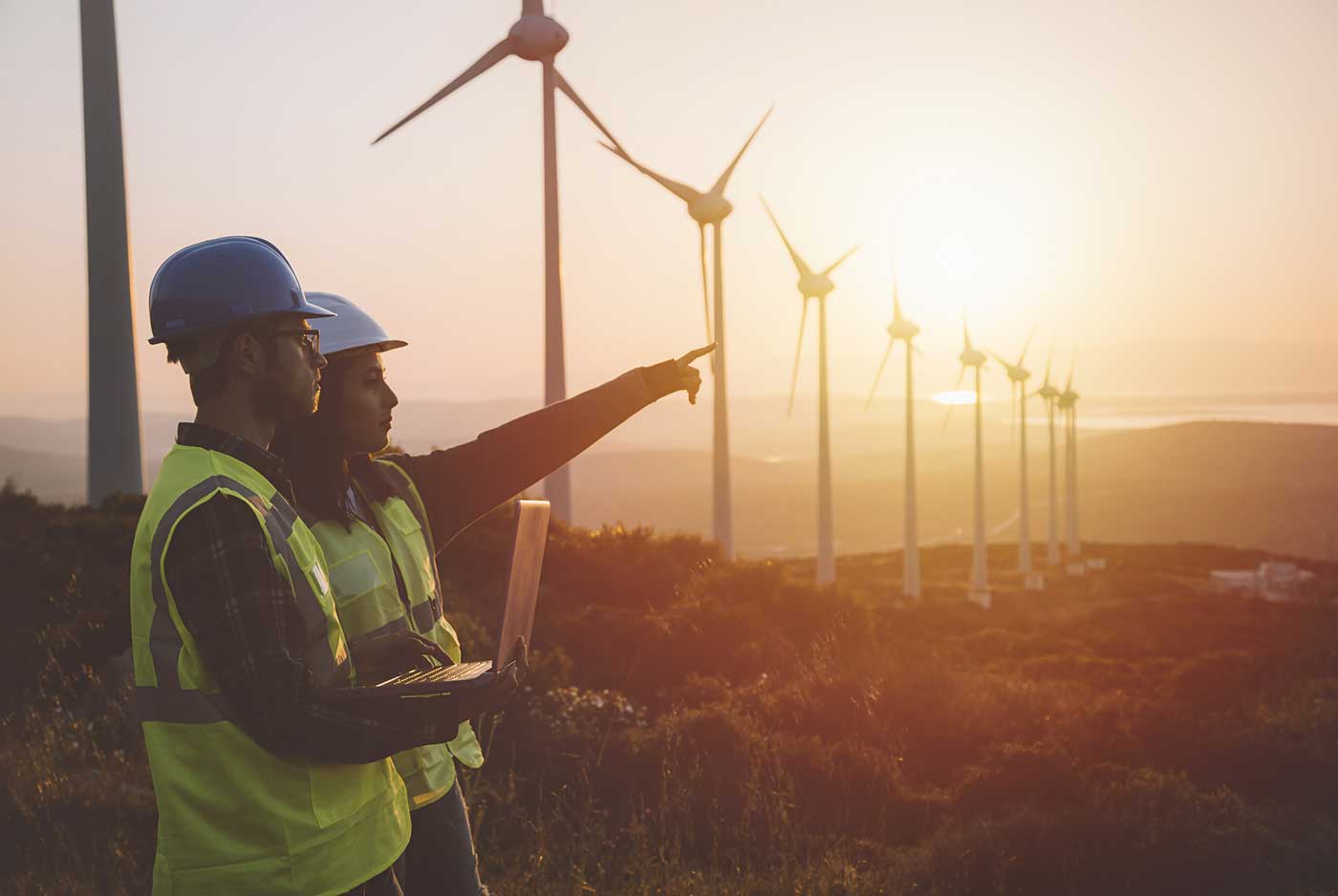
6 Key Energy Efficient Home Upgrades for Reduced Costs Investing in energy efficient home upgrades can offer multiple benefits, including....
6 Key Energy Efficient Home Upgrades for Reduced Costs
Investing in energy efficient home upgrades can offer multiple benefits, including lower monthly utility bills, enhanced indoor comfort, and a reduced environmental impact. As energy costs continue to fluctuate, making informed choices about home improvements can lead to significant long-term savings and a more sustainable living space. This article explores six essential energy efficient upgrades that homeowners can consider to improve their property's energy performance.
1. Enhance Your Home's Insulation
Proper insulation is fundamental to maintaining a comfortable indoor temperature and preventing significant energy loss. Gaps in insulation can allow conditioned air to escape in summer and heat to dissipate in winter, forcing HVAC systems to work harder.
Attic Insulation
The attic is a primary area for heat transfer. Upgrading attic insulation to recommended R-values can significantly reduce heat gain during warmer months and heat loss during colder periods. Common materials include fiberglass, cellulose, and spray foam.
Wall and Floor Insulation
Insulating walls and floors, particularly in older homes, can prevent drafts and improve overall thermal resistance. This often involves techniques like blow-in insulation for existing walls or installing rigid foam boards during renovations.
2. Upgrade Windows and Doors
Old, single-pane windows and poorly sealed doors are common sources of heat loss and gain. Replacing them with more energy-efficient alternatives can dramatically improve a home's thermal envelope.
Double or Triple-Pane Windows
Modern windows often feature double or triple panes of glass with inert gas fills (like argon or krypton) between them, providing superior insulation. Low-emissivity (Low-E) coatings can further reduce heat transfer, reflecting heat outward in summer and inward in winter.
Sealing and Weatherstripping
Even new windows and doors require proper sealing. Applying caulk around frames and installing weatherstripping around movable parts can eliminate air leaks, preventing drafts and maintaining consistent indoor temperatures.
3. Optimize Your HVAC System
The heating, ventilation, and air conditioning (HVAC) system is typically the largest energy consumer in a home. Ensuring it operates efficiently is crucial for energy savings.
High-Efficiency Furnaces and AC Units
Upgrading to ENERGY STAR certified furnaces, air conditioners, or heat pumps can provide substantial energy savings. These units are designed to use less energy to achieve the same level of heating or cooling.
Regular Maintenance
Routine maintenance, including cleaning or replacing air filters, checking refrigerant levels, and inspecting ducts for leaks, helps an HVAC system run at peak efficiency and extends its lifespan. Duct sealing is especially important to prevent air loss.
4. Install Smart Thermostats
Smart thermostats offer advanced control over your home's heating and cooling, allowing for more precise temperature management and energy savings.
Programmable Features
These devices can be programmed to adjust temperatures based on daily schedules, reducing energy use when residents are away or asleep. Some models learn household habits and automatically optimize settings.
Energy Monitoring
Many smart thermostats provide insights into energy consumption, allowing homeowners to track usage patterns and make informed adjustments to save energy.
5. Switch to LED Lighting
Lighting accounts for a noticeable portion of household electricity use. Transitioning from incandescent or even compact fluorescent (CFL) bulbs to Light Emitting Diodes (LEDs) offers significant advantages.
Longevity and Efficiency
LEDs consume considerably less electricity than traditional bulbs and have a much longer lifespan, reducing both energy consumption and the frequency of bulb replacement. They also produce less heat, which can contribute to minor cooling savings.
6. Invest in Energy-Efficient Appliances
Appliances like refrigerators, washing machines, dishwashers, and water heaters are significant energy users. When replacing old appliances, opting for energy-efficient models can lead to substantial long-term savings.
Major Appliance Replacements
Look for the ENERGY STAR label when purchasing new appliances. These products meet strict energy efficiency guidelines set by the U.S. Environmental Protection Agency and Department of Energy, ensuring they consume less energy and water.
Smaller Appliance Considerations
Even smaller appliances, such as microwaves and coffee makers, can contribute to energy consumption, especially if left plugged in (phantom load). Unplugging them or using smart power strips can help manage this.
Summary
Implementing energy efficient home upgrades is a practical approach to reducing household expenses, increasing comfort, and supporting environmental sustainability. By focusing on key areas such as insulation, windows, HVAC systems, smart controls, lighting, and appliances, homeowners can create a more efficient living environment. These improvements, whether undertaken individually or as part of a comprehensive plan, contribute to a home that is both more economical to run and more comfortable to live in.