6 Essential Cancer Prevention Lifestyle Tips Adopting certain lifestyle habits can play a significant role in influencing an individual's potential....
6 Essential Cancer Prevention Lifestyle Tips
Adopting certain lifestyle habits can play a significant role in influencing an individual's potential risk of developing various types of cancer. While no single approach guarantees prevention, consistent healthy choices are recognized for their potential to support overall well-being and contribute to a lower cancer risk. This article outlines six key lifestyle tips based on general health recommendations that may help in this regard.
1. Maintain a Healthy Weight
Maintaining a healthy body weight is a crucial factor in cancer risk reduction. Research indicates a clear link between overweight and obesity and an increased risk for several cancers, including those of the colon, breast (postmenopausal), prostate, endometrium, kidney, and esophagus. Excess body fat can lead to chronic inflammation and altered hormone levels, which may promote cancer growth.
Understanding Body Mass Index (BMI)
The Body Mass Index (BMI) is a common tool used to broadly categorize weight status. While it has limitations, aiming for a BMI within the healthy range (typically 18.5 to 24.9 kg/m²) is often recommended. This can be achieved through a balanced diet and regular physical activity.
2. Adopt a Plant-Rich Diet
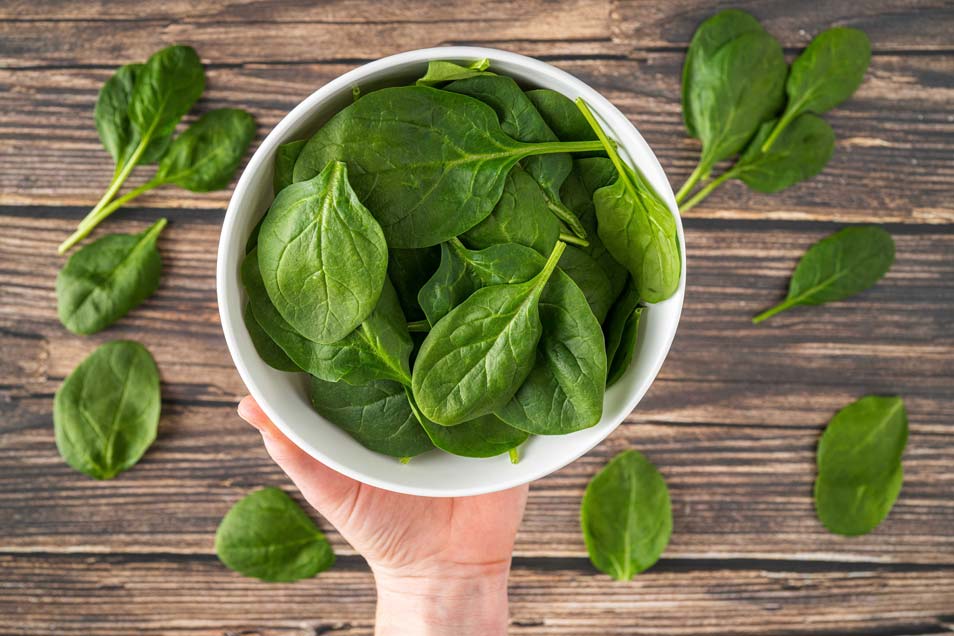
A diet rich in fruits, vegetables, whole grains, and legumes is fundamental for health and may contribute to cancer risk reduction. These foods are packed with vitamins, minerals, fiber, and antioxidants, which can protect cells from damage. Conversely, limiting the consumption of processed foods, red meat, and sugary drinks is generally advised.
Nutritional Choices for Risk Reduction
Focus on a diverse range of colorful fruits and vegetables. Whole grains like oats, brown rice, and whole wheat bread provide essential fiber. Incorporate lean proteins, such as fish and poultry, and plant-based options like beans and lentils, while moderating intake of processed and high-fat foods.
3. Prioritize Regular Physical Activity
Regular physical activity offers numerous health benefits, including supporting a healthy weight, improving immune function, and helping to regulate hormone levels. These factors are all important in potentially reducing cancer risk. Physical activity does not necessarily require intensive workouts; consistent moderate activity can be highly beneficial.
Incorporating Movement into Daily Life
Aim for at least 150 minutes of moderate-intensity aerobic activity or 75 minutes of vigorous-intensity aerobic activity each week, alongside muscle-strengthening activities on two or more days. This could include brisk walking, cycling, swimming, or strength training.
4. Avoid Tobacco and Limit Alcohol
Tobacco use is unequivocally one of the most significant preventable causes of cancer, linked to cancers of the lung, mouth, throat, larynx, esophagus, stomach, colon, bladder, kidney, pancreas, and cervix. Similarly, alcohol consumption is associated with an increased risk of several cancer types, including those of the mouth, throat, esophagus, liver, breast, and colon.
Making Informed Choices
The best advice regarding tobacco is to avoid all forms of it, including cigarettes, cigars, smokeless tobacco, and e-cigarettes. For alcohol, if consumed, moderation is key. Guidelines often suggest up to one drink per day for women and up to two drinks per day for men, though some individuals may choose to abstain entirely.
5. Practice Sun Safety
Excessive exposure to ultraviolet (UV) radiation from the sun or tanning beds is the primary cause of most skin cancers, including melanoma, basal cell carcinoma, and squamous cell carcinoma. Protecting your skin from harmful UV rays is a straightforward and effective prevention strategy.
Protecting Your Skin
Seek shade, especially during peak sun hours (typically 10 a.m. to 4 p.m.). Wear protective clothing, including long-sleeved shirts, long pants, and wide-brimmed hats. Use a broad-spectrum sunscreen with an SPF of 30 or higher, and reapply it regularly, especially after swimming or sweating.
6. Get Regular Screenings and Know Your Body
While not strictly a "lifestyle habit" in the same way as diet or exercise, proactive health management, including regular screenings and self-awareness, is a vital part of a comprehensive approach to cancer risk management. Early detection can often lead to more effective treatment outcomes.
The Importance of Early Detection
Consult with healthcare professionals about appropriate age- and risk-specific cancer screenings, such as mammograms, colonoscopies, or cervical cancer screenings. Additionally, being aware of your body and reporting any unusual changes or persistent symptoms to a doctor promptly is crucial.
Summary
Adopting a lifestyle that incorporates maintaining a healthy weight, consuming a plant-rich diet, engaging in regular physical activity, avoiding tobacco, limiting alcohol, practicing sun safety, and undergoing recommended screenings can contribute significantly to reducing the overall risk of various cancers. These actionable steps empower individuals to take a proactive approach to their long-term health and well-being.